
News
What Is a Nickel Based Alloy Forged Round Bar and Why Is It Used in Critical Industries?
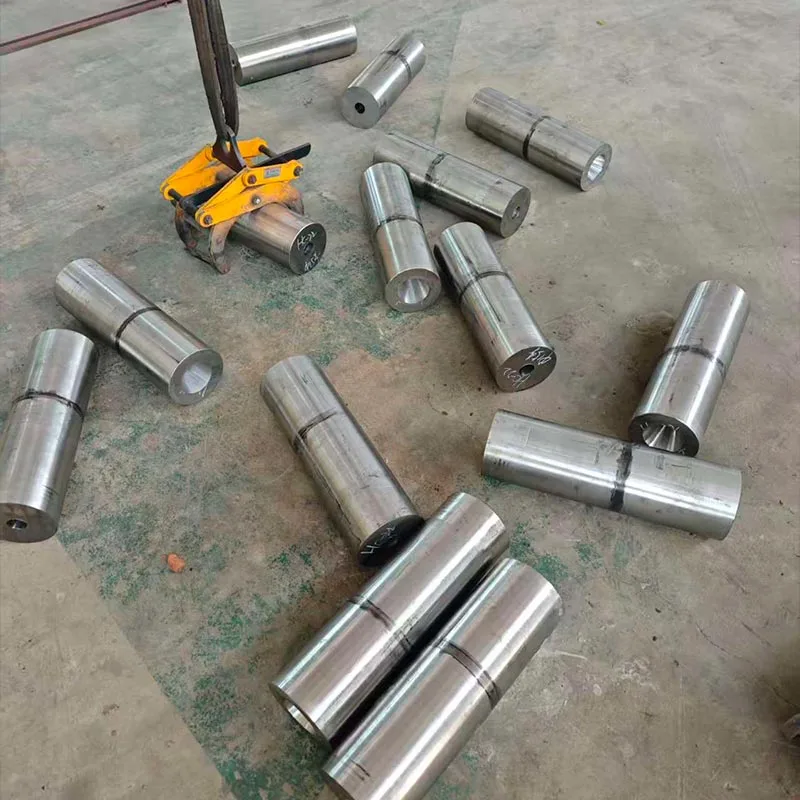
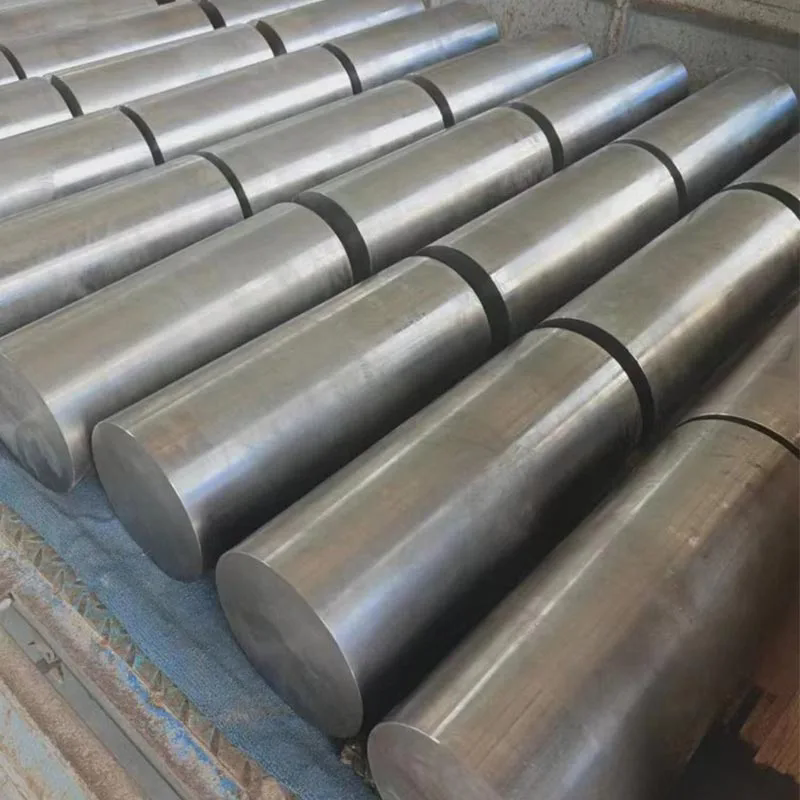
A Nickel Based Alloy Forged Round Bar is a cylindrical metal product manufactured by hot forging a nickel-based superalloy into a solid bar shape, followed by heat treatment and precision machining. These alloys are primarily composed of nickel (typically 50-70 percent) combined with chromium, molybdenum, iron, cobalt, and other elements to achieve extraordinary resistance to high temperatures, corrosion, oxidation, and mechanical stress. Unlike standard steel bars, which can degrade rapidly in harsh environments, nickel based alloy forged round bars retain their mechanical properties at temperatures exceeding 1000°C and in aggressive chemical media. At Jiangsu Jilaida Nickel based Alloy Co., Ltd., our factory has been producing these high-performance bars for over 20 years, serving industries where failure is not an option. This article provides a comprehensive overview of what these bars are, how they are made, and why they are indispensable in critical sectors.
But why are these bars so critical? The answer lies in their unique combination of properties that cannot be replicated by other materials. In the aerospace industry, they are used in turbine discs and engine shafts that must withstand extreme rotational speeds and temperatures. In the oil and gas sector, they are employed in downhole tools and subsea equipment exposed to hydrogen sulfide and seawater corrosion. In power generation, they form the core of gas turbine blades and nuclear reactor components. The Nickel Based Alloy Forged Round Bar is the material of choice because it delivers performance that ensures safety, reliability, and longevity in the most demanding applications. Our factory has supplied thousands of tons of these bars to customers worldwide, and we have accumulated extensive data on their performance under real-world conditions.
Table of Contents
- 1. What Is the Metallurgical Composition of a Nickel Based Alloy Forged Round Bar?
- 2. How Is a Nickel Based Alloy Forged Round Bar Manufactured?
- 3. What Are the Key Technical Specifications of Our Nickel Based Alloy Forged Round Bars?
- 4. Why Is the Nickel Based Alloy Forged Round Bar Preferred in Critical Industries?
- Frequently Asked Questions (FAQ)
- Conclusion and Product Consultation
What Is the Metallurgical Composition of a Nickel Based Alloy Forged Round Bar?
The metallurgical composition of a Nickel Based Alloy Forged Round Bar is the foundation of its exceptional performance. Nickel is the primary element, providing the matrix that gives the alloy its resistance to high-temperature creep and oxidation. Chromium is added to form a protective chromium oxide layer, which prevents further oxidation and corrosion at elevated temperatures. Molybdenum and tungsten contribute to solid-solution strengthening and enhance resistance to pitting and crevice corrosion in chloride-rich environments. Iron, cobalt, and other elements may be added to tailor the alloy for specific applications, such as improved weldability or increased resistance to sulfur attack. Our factory at Jilaida offers a wide range of nickel based alloy compositions, including popular grades such as Inconel 718, Inconel 625, Hastelloy C-276, and Monel K-500, each formulated to excel in different operational conditions.
Typical alloying elements and their functions in our Nickel Based Alloy Forged Round Bars:
- Nickel (Ni) – 50-70 percent: Forms the base matrix, providing excellent resistance to oxidation and creep at high temperatures. It also imparts toughness and resistance to both reducing and oxidizing acids.
- Chromium (Cr) – 15-25 percent: Forms a stable, adherent oxide layer that protects the bar from oxidation and corrosion. Higher chromium content improves resistance to high-temperature sulfidation.
- Molybdenum (Mo) – 2-15 percent: Enhances resistance to pitting and crevice corrosion, particularly in chloride and acidic environments. It also provides solid-solution strengthening for high-temperature applications.
- Iron (Fe) – 5-20 percent: Added in certain grades to improve workability and reduce cost while maintaining corrosion resistance. In alloys like Inconel 718, iron contributes to precipitation hardening.
- Cobalt (Co) – 1-12 percent: Provides high-temperature strength and creep resistance, especially in gas turbine applications. It also improves resistance to hot corrosion.
- Titanium and Aluminum – 0.5-2 percent: These elements form gamma prime (Ni3(Al,Ti)) precipitates during heat treatment, providing substantial precipitation hardening and increasing the strength of the Nickel Based Alloy Forged Round Bar at elevated temperatures.
The exact composition of a Nickel Based Alloy Forged Round Bar is carefully controlled to meet the requirements of specific standards, such as ASTM B564, AMS 5662, or NACE MR0175. Our factory uses a combination of vacuum induction melting (VIM) and electro-slag remelting (ESR) to produce alloys with exceptional purity and uniformity. We perform a complete chemical analysis on every heat using optical emission spectrometry (OES) and combustion analysis, ensuring that the composition falls within the tight tolerances required for critical applications. The data is recorded and provided to our customers as part of the material test report (MTR), offering full traceability. This meticulous control over metallurgical composition is what ensures that our Nickel Based Alloy Forged Round Bars deliver consistent, reliable performance in the most demanding industrial environments.
In practical terms, the composition determines the bar's suitability for specific applications. For example, Inconel 718, with its high nickel, chromium, and molybdenum content, is widely used in aerospace for turbine components that operate at 650°C. Hastelloy C-276, with its very high molybdenum and tungsten content, is the material of choice for chemical processing equipment exposed to hydrochloric acid and chlorine. Our factory works closely with customers to recommend the optimal grade based on their operating conditions, ensuring that the Nickel Based Alloy Forged Round Bar provides the best balance of performance and cost for each application.
How Is a Nickel Based Alloy Forged Round Bar Manufactured?
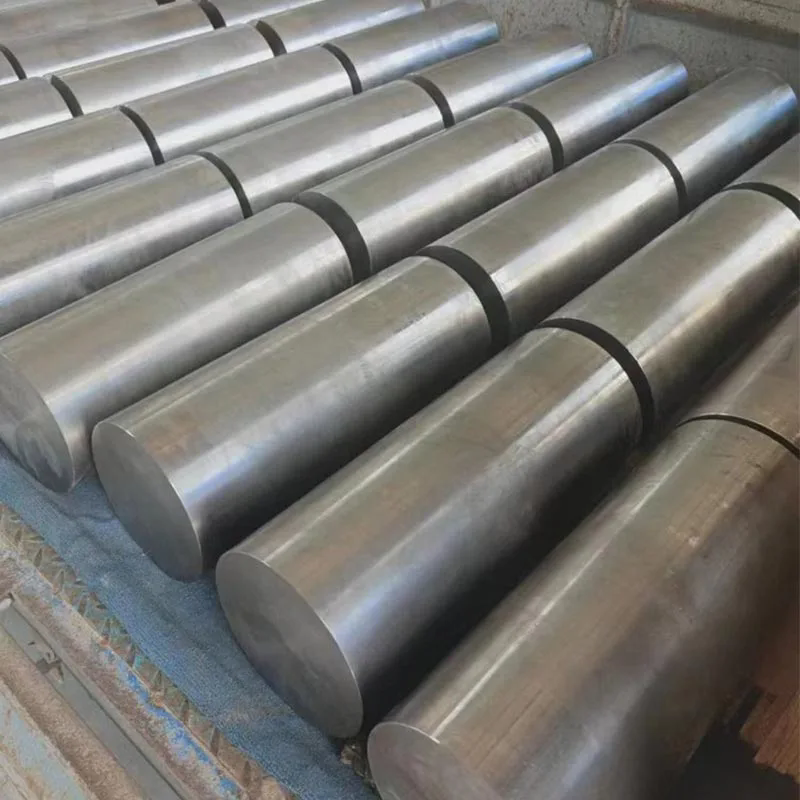
The manufacturing process of a Nickel Based Alloy Forged Round Bar is a multi-stage procedure that requires precision, control, and specialized equipment to achieve the required mechanical properties and internal quality. The process begins with the melting of raw materials in a vacuum or inert gas environment to prevent contamination. Our factory at Jiangsu Jilaida Nickel based Alloy Co., Ltd. uses a combination of vacuum induction melting (VIM) and electro-slag remelting (ESR) to produce an alloy ingot with a homogeneous composition and minimal segregation. The ingot is then heated to a temperature typically between 1000°C and 1200°C, where it becomes sufficiently plastic for forging. The forging operation is performed on hydraulic presses or open-die forging hammers, where the ingot is deformed into a cylindrical shape with a reduction ratio of at least 3:1, ensuring that the internal dendritic structure is broken down and refined.
Key steps in the manufacturing of our Nickel Based Alloy Forged Round Bar:
- Melting and refining (VIM + ESR): The raw materials are melted under vacuum to remove gases and volatile impurities. The liquid metal is then cast into an electrode, which is remelted in the ESR process to further refine the structure and remove non-metallic inclusions. This dual melting process ensures that the alloy has a low level of impurities and a uniform composition.
- Ingot soaking and forging: The refined ingot is heated in a car-bottom furnace to the forging temperature, which is carefully selected to avoid hot cracking and to ensure adequate plasticity. The forging process involves multiple strokes on the hydraulic press to gradually reduce the cross-section and lengthen the billet into a round bar. Our factory uses a controlled forging process with in-process temperature monitoring to prevent over-heating or over-cooling.
- Heat treatment: After forging, the bar is subjected to a specific heat treatment cycle, which typically includes solution annealing (to dissolve all precipitates) followed by rapid cooling (quenching) and a precipitation hardening treatment (for age-hardenable alloys). The heat treatment is carried out in a controlled-atmosphere furnace to prevent surface oxidation and decarburization.
- Machining and finishing: The heat-treated bar is then machined to the required dimensions and surface finish. This may include turning, grinding, and polishing, depending on the customer's specifications. Our factory uses CNC machines to achieve tight dimensional tolerances and a surface roughness of Ra 0.8 micrometres or better.
- Ultrasonic testing and final inspection: Each Nickel Based Alloy Forged Round Bar undergoes 100 percent ultrasonic testing to detect any internal defects such as cracks, inclusions, or voids. The bar is also subjected to dimensional inspection, surface hardness testing, and, when required, mechanical property testing (tensile, impact, and creep tests) to verify that it meets the specified requirements.
The forging process is critical because it aligns the grain structure of the alloy along the axis of the bar, which improves the bar's tensile strength and fatigue resistance in the longitudinal direction. The reduction ratio also ensures that the bar is free from porosity and has a fine, uniform grain structure. Our factory has developed proprietary forging parameters for each alloy grade, taking into account its unique hot-workability characteristics. This expertise allows us to produce Nickel Based Alloy Forged Round Bars with consistent mechanical properties, even in large diameters up to 600 mm. We also offer a range of finishing options, including centerless grinding, polishing, and coating, to meet the specific needs of our customers.
A case study from a customer in the aerospace sector highlights the importance of our manufacturing process. The customer required a Nickel Based Alloy Forged Round Bar in Inconel 718 with exceptional fatigue resistance for a high-speed turbine disc. Our factory optimized the forging temperature and reduction ratio to achieve an average grain size of ASTM 8 or finer, which is essential for fatigue performance. The bars passed the customer's stringent qualification tests, and the turbine disc has been in service for over 10 years without any issues. This demonstrates that the manufacturing process, from melting to final inspection, is the key to unlocking the full potential of the Nickel Based Alloy Forged Round Bar.
What Are the Key Technical Specifications of Our Nickel Based Alloy Forged Round Bars?
Jiangsu Jilaida Nickel based Alloy Co., Ltd. offers a comprehensive range of Nickel Based Alloy Forged Round Bars in various grades, diameters, and lengths. Our products are manufactured to meet the most stringent international standards, including ASTM, AMS, and NACE. The table below summarizes the key technical specifications for our most popular Nickel Based Alloy Forged Round Bar grades, which are widely used in critical industries. Our factory can also produce custom grades and dimensions to meet specific customer requirements.
| Alloy Grade | Nominal Composition | Diameter Range (mm) | Tensile Strength (MPa) | Yield Strength (0.2%) (MPa) | Elongation (%) | Hardness (HRC) | Max Service Temperature (°C) | Typical Applications |
| Inconel 718 | Ni 52%, Cr 19%, Mo 3%, Fe 18%, Nb 5% | 20 – 600 | 1275 | 1035 | 18 | 36-42 | 650 | Aerospace turbine discs, shafts, fasteners |
| Inconel 625 | Ni 62%, Cr 21%, Mo 9%, Fe 3%, Nb 3.5% | 20 – 500 | 930 | 515 | 35 | 22-28 | 980 | Subsea equipment, chemical processing, marine |
| Hastelloy C-276 | Ni 57%, Mo 16%, Cr 15%, W 4%, Fe 5% | 20 – 400 | 790 | 410 | 45 | 20-26 | 1095 | Chemical reactors, flue gas desulfurization |
| Monel K-500 | Ni 65%, Cu 30%, Al 3%, Ti 0.6% | 20 – 300 | 1105 | 825 | 20 | 28-38 | 480 | Marine shafts, pump components, oilfield tools |
| Alloy 800H | Ni 32%, Cr 20%, Fe 45%, Ti 0.5%, Al 0.4% | 20 – 450 | 580 | 280 | 35 | 15-22 | 1100 | Furnace tubes, heat exchangers, petrochemical |
In addition to the standard grades, our factory offers several optional features to customize the Nickel Based Alloy Forged Round Bar for specific applications. These include: special heat treatments to optimize creep resistance, stress-relief annealing to reduce residual stress, and surface shot-peening to improve fatigue life. We also provide supplementary testing, such as charpy impact testing at cryogenic temperatures and creep-rupture testing at elevated temperatures, to verify that the bar meets the most demanding service conditions.
All our Nickel Based Alloy Forged Round Bars are delivered with a comprehensive material test report (MTR) that includes chemical composition, mechanical properties, grain size, and non-destructive test results. We provide full traceability from the raw materials to the finished product, with each bar marked with a unique heat number and serial number. Our factory at Jiangsu Jilaida Nickel based Alloy Co., Ltd. maintains a rigorous quality management system that is certified to ISO 9001, AS9100D (aerospace), and PED 2014/68/EU (pressure equipment). This ensures that every Nickel Based Alloy Forged Round Bar meets the highest standards of quality and reliability.
Why Is the Nickel Based Alloy Forged Round Bar Preferred in Critical Industries?
The Nickel Based Alloy Forged Round Bar is the material of choice in critical industries because it delivers performance that no other material can match. In aerospace, the bar's ability to maintain high tensile strength and creep resistance at temperatures up to 650°C allows jet engines to operate at higher thrust-to-weight ratios, improving fuel efficiency and reducing emissions. In the oil and gas industry, the bar's resistance to sulfide stress cracking and general corrosion ensures the integrity of downhole tools and subsea equipment, even in the presence of hydrogen sulfide (H2S) and carbon dioxide (CO2). In power generation, the bar's resistance to oxidation and high-temperature creep is essential for gas turbine blades and steam turbine rotors, where failure would lead to catastrophic downtime. Our factory at Jilaida has supplied Nickel Based Alloy Forged Round Bars to all these industries, and we have documented numerous cases where our materials have enabled safer, more reliable, and longer-lasting equipment.
Key advantages of Nickel Based Alloy Forged Round Bars in critical applications:
- High-temperature resistance: The bars maintain their mechanical properties at temperatures where standard stainless steels soften and creep. This allows equipment to operate at higher temperatures, improving thermodynamic efficiency.
- Outstanding corrosion resistance: The passive oxide film formed by chromium and molybdenum provides protection against a wide range of corrosive media, including acids, chlorides, and seawater. This reduces the need for protective coatings and extends the service life of components.
- High strength and toughness: The combination of solid-solution strengthening and precipitation hardening gives the bars high yield strength and fracture toughness, making them suitable for heavily loaded components.
- Fatigue and creep resistance: The fine-grained microstructure and controlled deformation during forging result in a bar that resists fatigue crack initiation and creep deformation, even under cyclic loading and constant stress at high temperatures.
- Manufacturing reliability: The forging process eliminates internal defects and aligns the grain structure, ensuring that the bar has consistent properties throughout its cross-section. This is critical for safety-critical components.
A notable example from the power generation sector illustrates the importance of Nickel Based Alloy Forged Round Bars. A gas turbine manufacturer was experiencing premature failure of their turbine rotor shafts after 20,000 hours of operation. The shafts were made from a lower-grade stainless steel that was prone to creep rupture at the operating temperature of 580°C. After switching to a Nickel Based Alloy Forged Round Bar in Inconel 718, the shaft life extended to over 60,000 hours, and the turbines were able to operate at a higher temperature, increasing power output by 5 percent. This change not only reduced maintenance costs but also improved the plant's profitability. The manufacturer attributed the improvement to the superior creep resistance and fatigue strength of the forged nickel alloy.
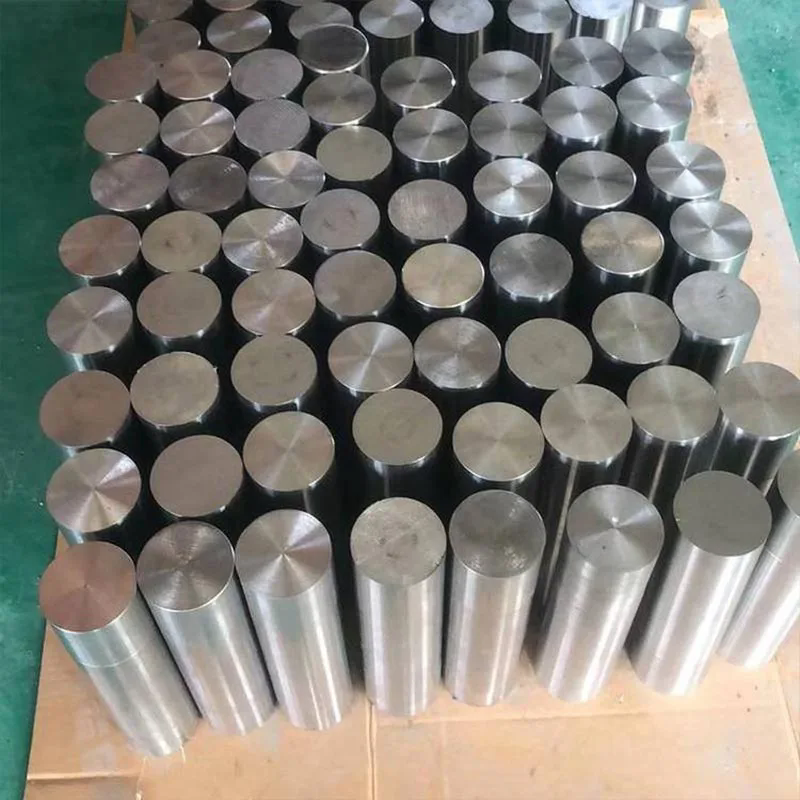
In the oil and gas sector, the Nickel Based Alloy Forged Round Bar is used for critical components in subsea Christmas trees and manifolds. These components must withstand seawater corrosion, high pressure, and the presence of H2S, which can cause sulfide stress cracking in lesser materials. Our factory has supplied Hastelloy C-276 forged bars for this application, which have demonstrated exceptional performance in field trials. The bars have no history of stress corrosion cracking, and they have enabled the development of subsea equipment that can operate at depths of over 3,000 meters. For these reasons, the Nickel Based Alloy Forged Round Bar is not just a preferred choice; it is an essential component in the critical infrastructure that underpins modern society. Our factory continues to innovate in alloy development and forging technology to meet the evolving needs of these industries, ensuring that our Nickel Based Alloy Forged Round Bars remain the benchmark for performance and reliability.
Frequently Asked Questions (FAQ)
Question 1: What is the difference between a forged round bar and a rolled round bar in nickel based alloys?
Answer: A forged round bar is produced by hot working a solid ingot using a press or hammer, which results in a refined grain structure and improved mechanical properties, particularly in the transverse direction. A rolled round bar is produced by passing a billet through a series of rolling stands, which imparts a highly directional grain structure (aligned with the rolling direction). For critical applications where the bar is subjected to multi-axial stress, such as turbine discs or flanges, the forged round bar is preferred because it offers more isotropic properties and better resistance to fatigue. Our factory recommends forged bars for all high-integrity applications, and we produce them in diameters ranging from 20 mm to 600 mm.
Question 2: Can a Nickel Based Alloy Forged Round Bar be welded, and if so, what precautions are needed?
Answer: Yes, most nickel based alloy grades can be welded using TIG, MIG, or SAW processes, but they require specific techniques to avoid hot cracking and to maintain corrosion resistance. Preheating is generally not required, but interpass temperature should be controlled to below 150°C. A low-heat input and the use of matching filler metals are essential. For critical applications, we recommend post-weld heat treatment (PWHT) to relieve residual stress and restore the alloy's corrosion resistance. Our factory provides detailed welding guidelines and can recommend suitable filler metals for each alloy grade. We also offer welding samples for customers to conduct qualification tests.
Question 3: What are the typical delivery conditions for a Nickel Based Alloy Forged Round Bar?
Answer: The bar can be delivered in various conditions, depending on the customer's requirements. The most common are: hot-rolled and heat treated (solution annealed or aged), or cold finished (turned, ground, or polished). We also offer bars in the as-forged condition for customers who plan to perform their own heat treatment. Our factory provides a wide range of surface finishes, including black (as-forged), bright (turned), and polished (mirror finish). For each delivery, we provide a comprehensive material test report (MTR) and, if required, a third-party inspection certificate.
Question 4: How does the Nickel Based Alloy Forged Round Bar compare to titanium or stainless steel bars for high-temperature applications?
Answer: Titanium bars have excellent strength-to-weight ratio but are limited to temperatures below 600°C due to oxidation. Stainless steel bars can reach higher temperatures but have lower creep resistance and are prone to thermal fatigue. The Nickel Based Alloy Forged Round Bar offers a unique combination of high-temperature strength, creep resistance, and corrosion resistance that surpasses both titanium and stainless steels. While nickel alloys are generally heavier than titanium and more expensive than stainless steel, the longer service life and higher reliability they offer in critical applications often justify the higher initial cost. Our factory provides a comparative cost-benefit analysis to help customers choose the most cost-effective material for their application.
Question 5: What certifications does Jiangsu Jilaida Nickel based Alloy Co., Ltd. hold for its forged round bars?
Answer: Our factory is certified under ISO 9001:2015, AS9100D (aerospace), and we hold the Pressure Equipment Directive (PED) 2014/68/EU certification for materials used in pressure vessels. We also have a comprehensive NACE MR0175/ISO 15156 certification for sour service materials. Our products are regularly inspected by major classification societies, including DNV, ABS, and LR, for marine applications. We provide a full set of certification documents with each order, ensuring compliance with the most demanding industry standards and customer specifications.
Conclusion: Trust the Performance of Our Nickel Based Alloy Forged Round Bars
The Nickel Based Alloy Forged Round Bar is a high-performance material that combines exceptional high-temperature strength, corrosion resistance, and mechanical reliability. Its unique metallurgical composition and controlled manufacturing process make it indispensable in critical industries such as aerospace, oil and gas, and power generation. At Jiangsu Jilaida Nickel based Alloy Co., Ltd., our factory has perfected the forging of these alloys to meet the most stringent standards, delivering bars that consistently exceed customer expectations. Our commitment to quality, traceability, and technical support ensures that our Nickel Based Alloy Forged Round Bars provide the performance and reliability that critical applications demand.
Are you looking for a reliable supplier of Nickel Based Alloy Forged Round Bars for your critical application? Contact Jiangsu Jilaida Nickel based Alloy Co., Ltd. today for a comprehensive product consultation. Our team of metallurgists and engineers will help you select the optimal alloy grade, size, and delivery condition for your specific requirements. We offer free metallurgical consultation, competitive pricing, and fast delivery worldwide. Request your free Nickel Based Alloy Forged Round Bar quotation now from Jiangsu Jilaida Nickel based Alloy Co., Ltd. and experience the performance of premium forged nickel alloys.
Related News
- What Makes Data Center Liquid Cooling Pipes Reliable for High-Density Computing?
- What Makes Semi-finished 304 Stainless Steel Tube a Practical Choice for Industrial Manufacturing?
- How Does 304 Stainless Steel Seamless Pipe Perform in Industrial Piping and Fabrication?
- What Makes 310S Stainless Steel Seamless Pipe Suitable for High-Temperature Applications?
- What Makes Hot Finished Stainless Steel Seamless Pipe a Reliable Choice for Demanding Applications?
- How Does 06Cr17Ni12Mo2 Stainless Steel Extruded Seamless Pipe Meet Demanding Industrial Requirements?
Leave me a message