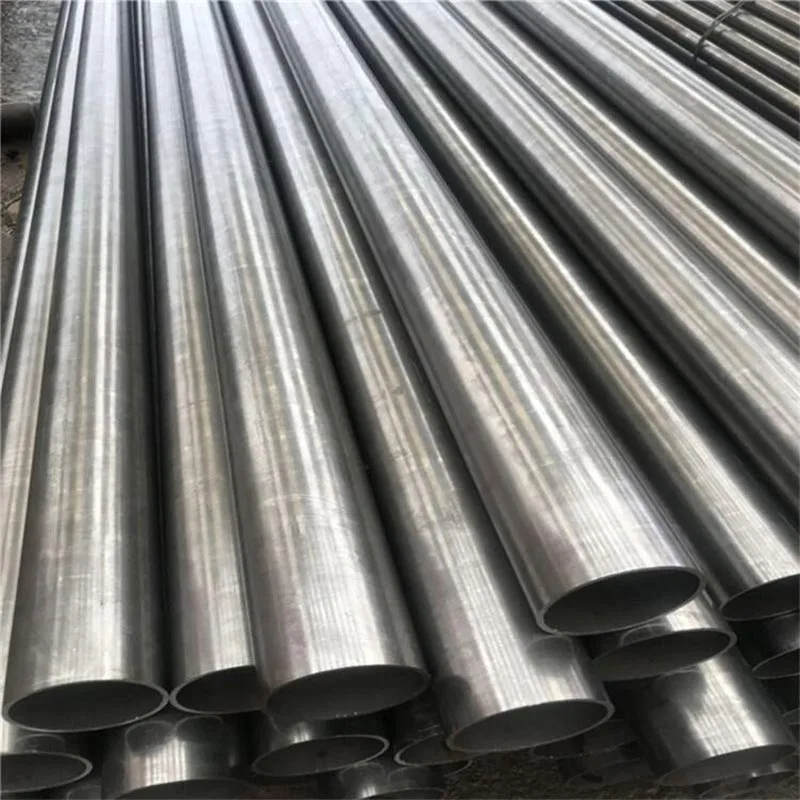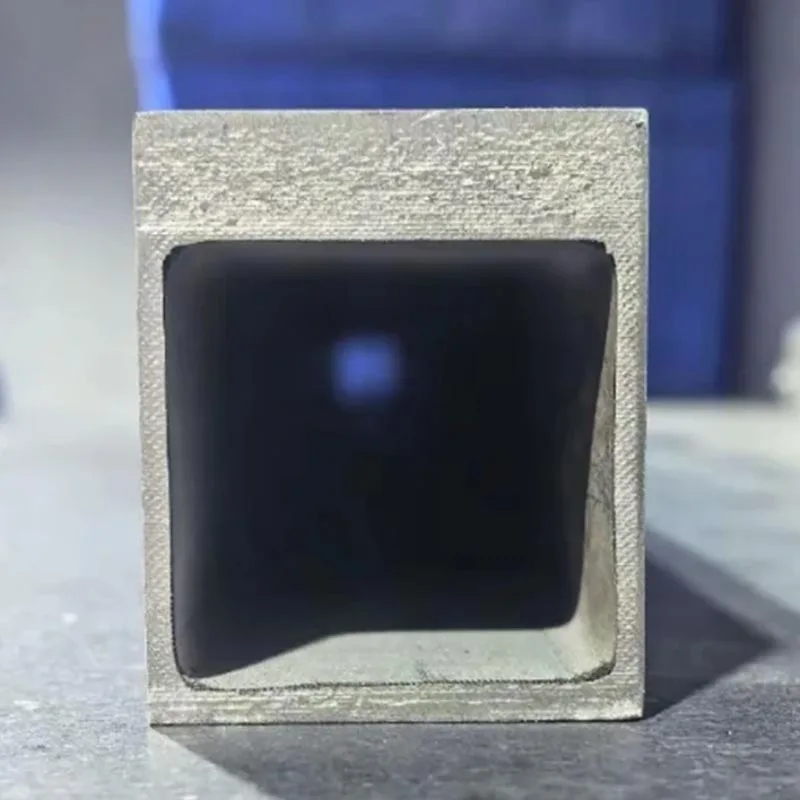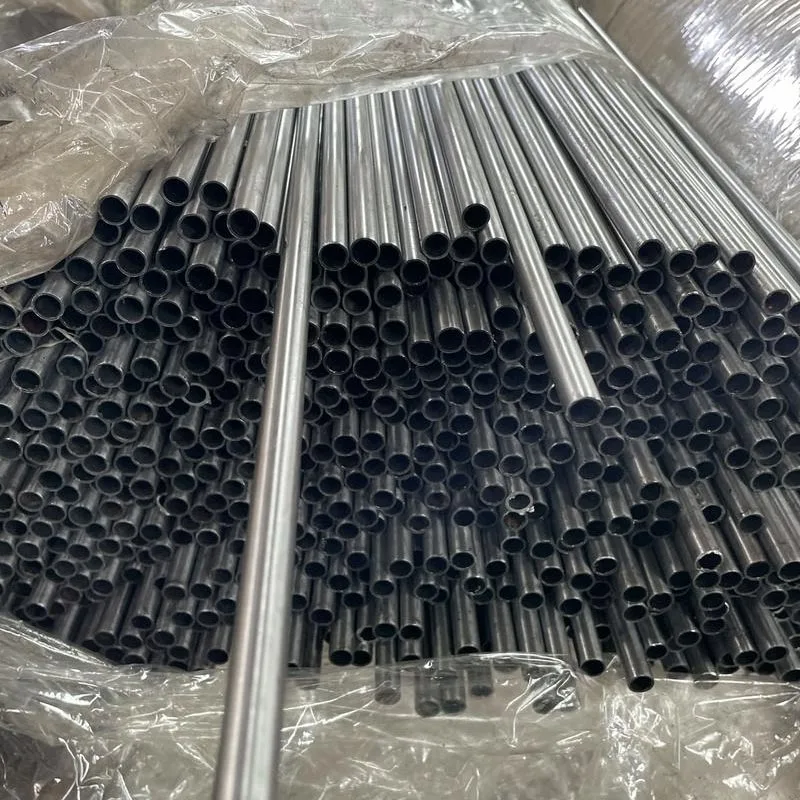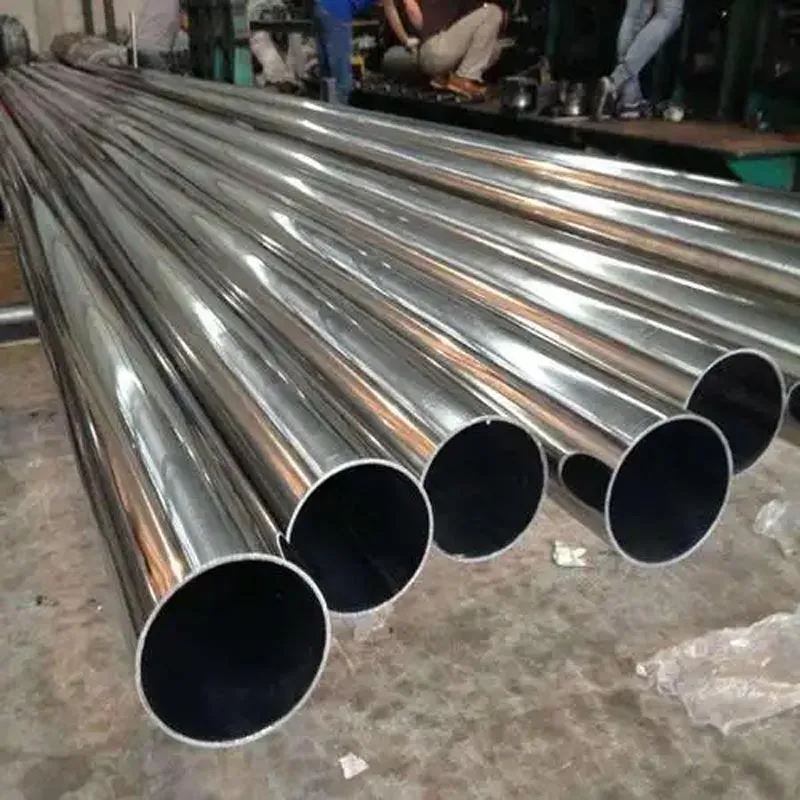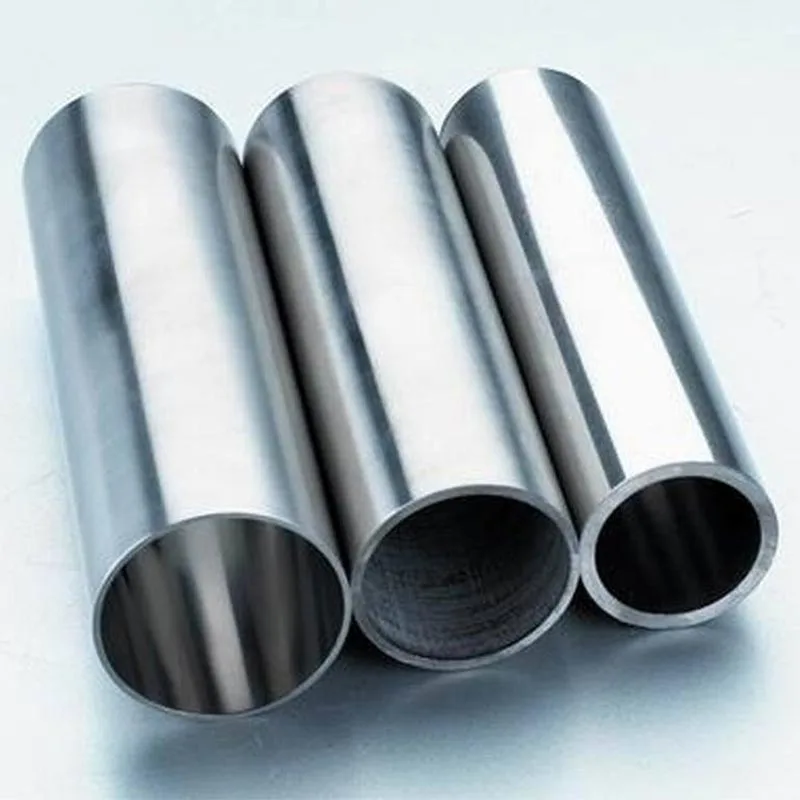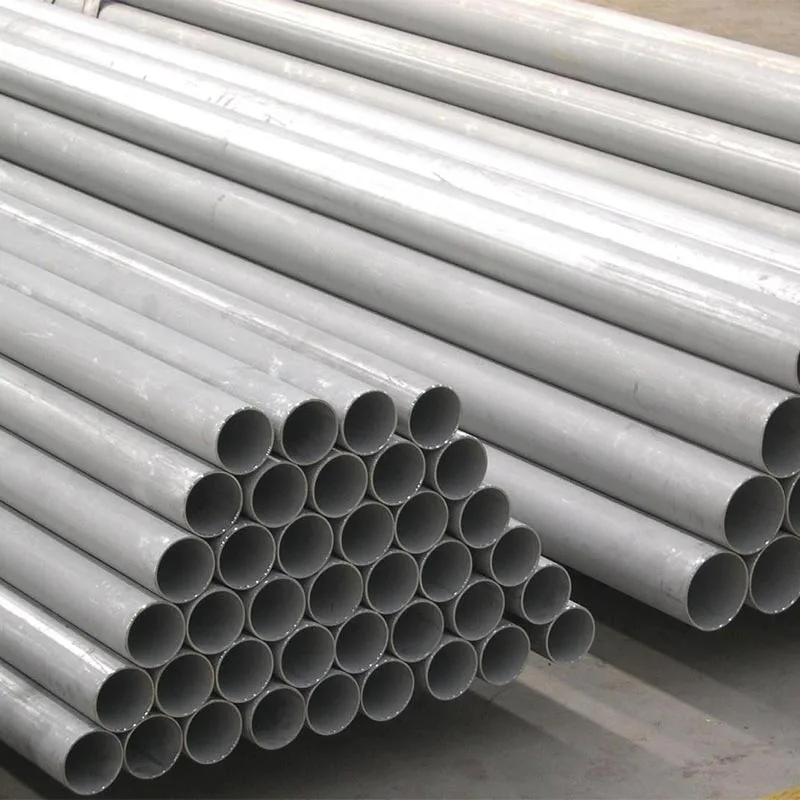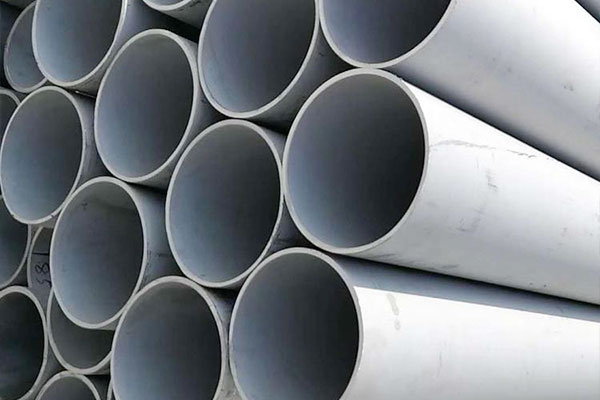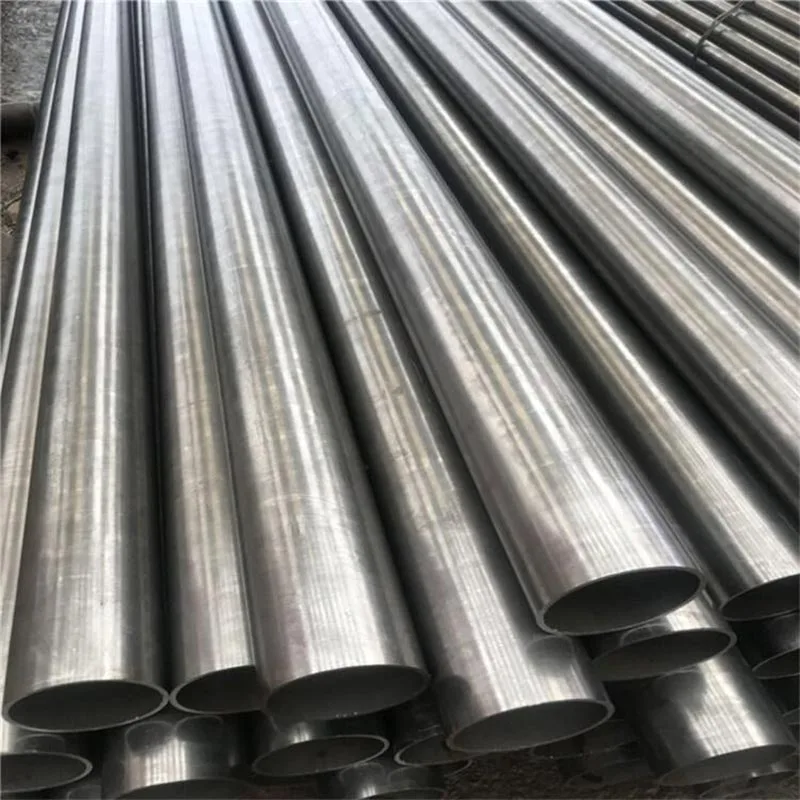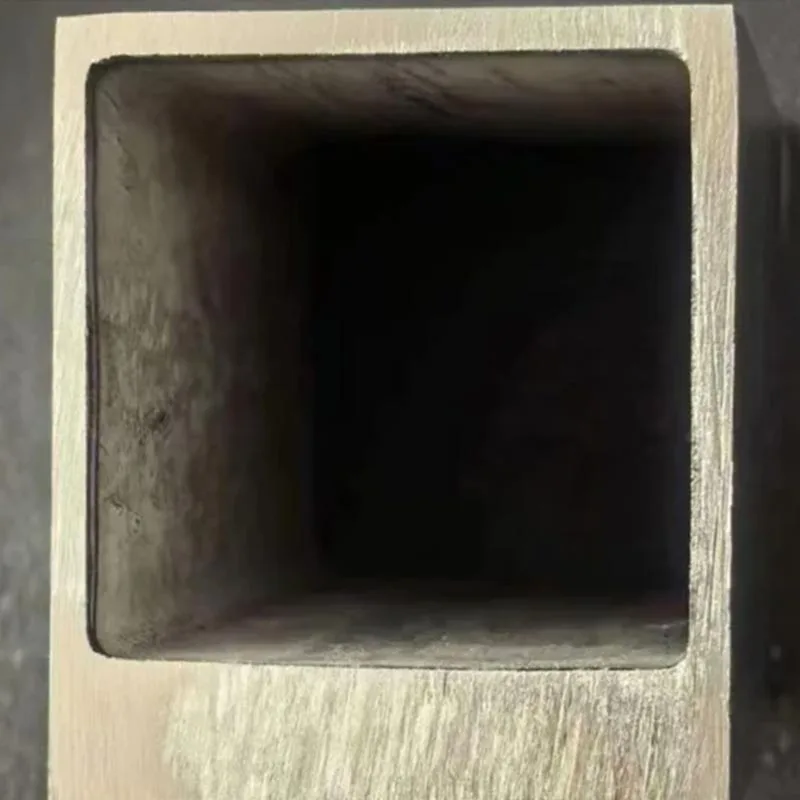

Data center liquid cooling pipes are essential to managing the heat generated by high-performance servers, artificial intelligence infrastructure, and high-density computing systems. Their material composition, corrosion resistance, pressure performance, connection integrity, and compatibility with cooling fluids directly affect system reliability. This guide explains how to evaluate piping materials, reduce leakage risks, improve heat removal, and select a suitable piping solution for long-term data center operation.
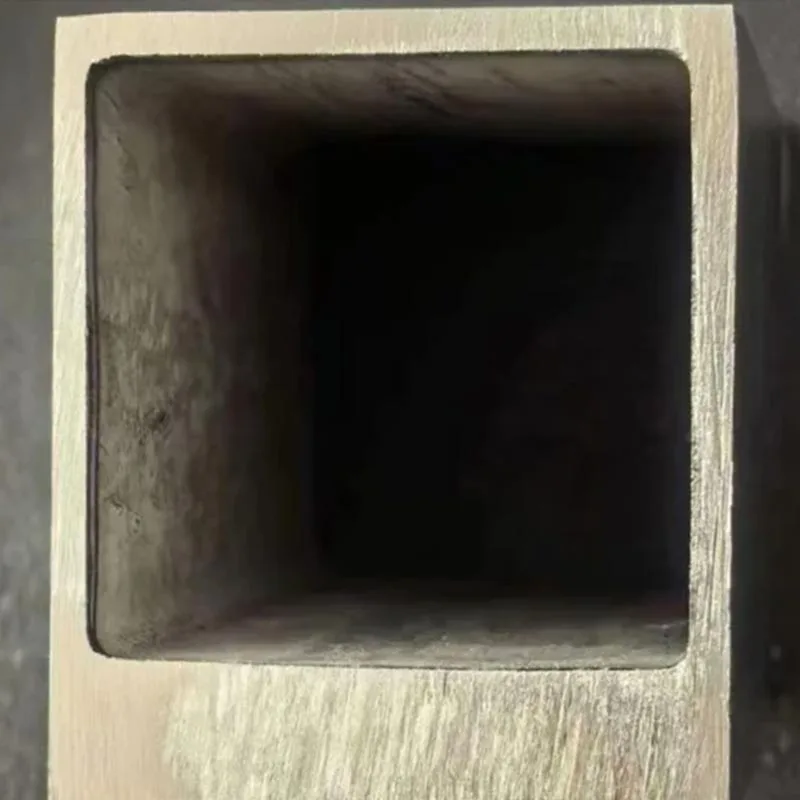
1. What Are Data Center Liquid Cooling Pipes?
Data center liquid cooling pipes are components that transport cooling fluids between heat-generating equipment and heat rejection systems. They form part of the infrastructure that allows data centers to remove heat from servers, processors, accelerators, and other electronic components without relying exclusively on conventional air cooling.
As artificial intelligence workloads, cloud computing, and high-performance computing expand, the amount of heat concentrated within individual racks can increase significantly. Air-based systems may struggle to manage these concentrated thermal loads economically. Liquid cooling can transfer heat more efficiently at the equipment level, provided that the entire system is appropriately designed.
Within this infrastructure, piping is responsible for maintaining consistent fluid circulation while withstanding operating pressure, temperature changes, and continuous service. A poorly selected pipe or connection can compromise the performance of an otherwise advanced cooling installation.
Thermal Management
Reliable circulation helps carry heat away from servers and deliver it to heat exchangers or other heat rejection equipment.
Operational Reliability
Suitable materials and sound connections help reduce leakage, corrosion, unplanned maintenance, and equipment downtime.
Infrastructure Scalability
A well-planned piping network supports additional racks, higher cooling loads, and future equipment upgrades.
Lifecycle Cost Control
Appropriate specifications can reduce repair frequency, replacement expenses, and losses associated with cooling interruptions.
For data center owners and engineering contractors, the goal is not simply to purchase pipes at the lowest initial price. It is to establish a dependable fluid distribution system that meets the equipment manufacturer's requirements and the facility's long-term operating objectives.
2. How Do Liquid Cooling Pipes Work?
Liquid cooling pipes operate as part of a circulation loop. A pump moves the selected coolant through a network of supply and return lines. The fluid absorbs heat at the equipment interface and carries it to a heat exchanger, cooling distribution unit (CDU), or another suitable heat rejection system.
In many installations, the facility water system and the technology cooling system are separated by a heat exchanger. This arrangement helps manage differences in fluid quality, operating conditions, and equipment requirements between the two circuits.
Common Liquid Cooling Configurations
- Direct-to-chip cooling: Coolant travels through cold plates positioned close to heat-generating processors and accelerators.
- Rear-door heat exchangers: Liquid circulates through a heat exchanger mounted at the rear of a server rack to remove heat from exhaust air.
- Rack-level distribution: Manifolds and branch pipes distribute coolant to multiple servers or cooling devices.
- Immersion cooling: Electronic equipment is immersed in a compatible dielectric fluid, which circulates through an appropriate heat transfer system.
Pipe diameter and internal surface characteristics also influence flow behavior. An undersized pipe can increase pressure drop and pumping demand, while excessive or poorly planned routing can add unnecessary resistance and installation complexity. Engineers should calculate the required flow and pressure conditions rather than choosing dimensions solely by convention.
3. Which Materials Are Used for Data Center Liquid Cooling Pipes?
Material selection is one of the most important decisions in cooling infrastructure procurement. Different materials offer different combinations of corrosion resistance, mechanical strength, fabrication flexibility, cost, and compatibility with cooling fluids.
Common options include stainless steel, copper, carbon steel, and certain engineered polymers. No single material is suitable for every part of every data center cooling system.
| Material | Potential Advantages | Key Considerations | Typical Application Considerations |
|---|---|---|---|
| Stainless Steel | Mechanical strength, durability, and corrosion resistance when properly specified | Grade selection, coolant chemistry, fabrication quality, and surface condition | Selected distribution lines, manifolds, and equipment connections |
| Copper | High thermal conductivity and established installation practices | Water chemistry, joint integrity, and compatibility with other wetted metals | Suitable chilled-water distribution and heat transfer applications |
| Carbon Steel | Strength and availability in a range of pipe sizes | Corrosion control, water treatment, internal condition, and maintenance | Selected facility-level water circuits where the design permits |
| Engineered Polymers | Low weight and potential resistance to particular corrosive environments | Pressure-temperature limits, permeation, joining methods, and fluid compatibility | Applications specifically approved for the selected polymer system |
Why Nickel-Based Alloys Deserve Consideration
Nickel-based alloys can offer valuable combinations of corrosion resistance, mechanical performance, and stability in demanding environments. Their suitability depends on the specific alloy grade and the actual service conditions, including coolant chemistry, temperature, pressure, and exposure to contaminants.
They should not automatically be treated as the default material for an entire data center cooling network. In conventional water-based systems, stainless steel, copper, or other established materials may be more practical for many applications. Nickel-based alloys are worth evaluating when the engineering requirements, chemical environment, or specialized operating conditions justify their use.
For procurement teams considering specialty alloy pipes, the relevant questions include whether the selected grade meets the design requirements, whether its corrosion performance has been established for the intended fluid, and whether the supplier can provide appropriate material documentation and traceability.
4. What Properties Should Reliable Cooling Pipes Have?
Reliable data center liquid cooling pipes must do more than transport fluid. They must maintain their mechanical and chemical integrity throughout the intended service life while supporting the thermal performance of the complete system.
4.1 Corrosion Resistance
Corrosion can reduce wall thickness, release metal ions into the coolant, and contribute to deposits or blockages. Its severity depends on factors such as alloy composition, water chemistry, temperature, dissolved gases, contaminants, and contact with dissimilar metals.
The correct material should therefore be selected using the actual coolant specification and the recommendations of the relevant equipment manufacturers. Corrosion resistance should be evaluated under realistic operating conditions rather than assumed from the material name alone.
4.2 Pressure and Temperature Performance
Pipes, fittings, valves, and joints must be rated for the expected operating conditions, including applicable transient loads. Engineers should consider the effects of temperature on material strength, pressure ratings, seals, and connections.
The system's design pressure and temperature must be checked against the ratings of all connected components. The allowable operating envelope is determined by the complete assembly, not merely by the pipe's nominal specification.
4.3 Coolant Compatibility
Water with corrosion inhibitors, water-glycol mixtures, refrigerants, and dielectric fluids have different chemical and physical properties. A material that performs well with one fluid may be unsuitable for another.
Compatibility checks should include pipes, fittings, valves, gaskets, O-rings, coatings, brazing or welding consumables, and any other surface that contacts the coolant.
4.4 Dimensional Accuracy and Surface Quality
Consistent dimensions support reliable assembly and predictable flow. Internal defects, contamination, excessive roughness, or fabrication residues can contribute to unwanted pressure losses, fluid contamination, or corrosion problems.
Depending on the application, purchasing specifications may include outside diameter, wall thickness, dimensional tolerances, internal cleanliness, surface finish, straightness, and end preparation.
4.5 Connection Integrity
Even high-quality pipes can fail if connections are poorly designed or installed. Welds, flanges, threaded connections, brazed joints, and quick-disconnect couplings must be appropriate for the service conditions and compatible with the materials being joined.
Where frequent server replacement or maintenance is expected, serviceable connection designs can help reduce maintenance time. However, ease of disconnection should never come at the expense of leak prevention or the manufacturer's specified operating limits.
5. How Can Common Cooling Pipe Problems Be Prevented?
Cooling system failures often result from several factors acting together. A practical prevention strategy addresses the pipe material, coolant condition, system layout, installation quality, and ongoing monitoring.
Problem 1: Corrosion and Galvanic Reactions
Contact between dissimilar metals in a conductive liquid can create conditions for galvanic corrosion. The risk depends on the metals involved, their relative surface areas, electrical contact, and the chemistry of the fluid.
- Review all wetted materials across the complete cooling loop.
- Check compatibility between pipe materials, fittings, manifolds, and equipment components.
- Maintain the coolant chemistry and inhibitor concentration specified for the system.
- Investigate unexpected changes in dissolved metals or corrosion indicators.
Problem 2: Leakage and Unplanned Downtime
A leak near electronic equipment can lead to equipment damage, service disruption, and expensive recovery work. Common contributing factors include defective joints, damaged seals, installation errors, vibration, and operation beyond specified limits.
- Use connection methods approved for the intended service.
- Inspect seals, couplings, and fabricated joints before commissioning.
- Conduct pressure or leak testing in accordance with the applicable design and testing procedures.
- Install suitable leak detection and isolation provisions where required by the facility design.
Problem 3: Restricted Flow and Excessive Pressure Drop
Incorrect pipe sizing, excessive bends, internal deposits, clogged filters, and poorly configured fittings can restrict circulation. The result may be insufficient coolant delivery, increased pump energy consumption, or uneven cooling across equipment racks.
Engineers should calculate expected flow rates and pressure losses, account for fittings and equipment interfaces, and verify that the final installation operates within the design envelope.
Problem 4: Contamination and Deposits
Particles, corrosion products, chemical residues, and unsuitable makeup water can affect coolant quality. Deposits may obstruct small passages or interfere with heat transfer, especially in systems with narrow channels.
Appropriate flushing, filtration, coolant treatment, and cleanliness controls should be established before commissioning and maintained during operation.
6. How Can Buyers Select Suitable Data Center Liquid Cooling Pipes?
For data center developers, EPC contractors, equipment manufacturers, and industrial procurement teams, a structured selection process can reduce specification gaps and prevent expensive changes during installation.
Step 1: Define the Application
Identify whether the pipes will be used in a facility water circuit, a technology cooling loop, a rack manifold, a CDU connection, or another part of the system. The location determines many of the performance and cleanliness requirements.
Step 2: Confirm the Operating Conditions
- Normal and maximum operating pressure
- Operating and design temperatures
- Required flow rate and allowable pressure drop
- Coolant composition, concentration, and treatment requirements
- Expected operating cycles and maintenance access
Step 3: Establish Material and Manufacturing Requirements
Specify the material grade, relevant product standard, dimensions, wall thickness, delivery condition, and testing requirements. If a specialty nickel-based alloy is being considered, confirm the exact grade and required material properties rather than using a generic alloy description.
Step 4: Evaluate Supplier Documentation
Ask potential suppliers to provide the documentation required by the project. Depending on the purchase specification, this may include material test certificates, chemical composition, mechanical test results, dimensional inspection records, heat or batch traceability, and evidence of applicable inspection or testing.
Step 5: Compare Total Cost of Ownership
The purchase price is only one part of the investment. Fabrication, installation, inspection, coolant treatment, maintenance access, replacement frequency, and potential downtime also affect long-term costs.
| Evaluation Item | Questions to Ask | Why It Matters |
|---|---|---|
| Material | Is the grade suitable for the fluid and operating environment? | Helps reduce compatibility and corrosion risks. |
| Dimensions | Are diameter, wall thickness, and tolerances clearly defined? | Supports installation accuracy and hydraulic performance. |
| Quality Control | Can the supplier provide traceable inspection documentation? | Improves verification and procurement accountability. |
| Fabrication | Are end preparation, joining, and cleanliness requirements agreed? | Reduces installation defects and contamination risks. |
| Lifecycle | What maintenance, replacement, and inspection requirements apply? | Supports realistic long-term cost planning. |
For projects involving specialty alloy products, Jiangsu Jilaida Nickel based Alloy Co., Ltd. can be considered as a potential supplier to contact for information about nickel-based alloy materials. Buyers should confirm the company's available grades, pipe or tube product range, manufacturing capabilities, applicable standards, and documentation directly before determining whether its products meet a particular cooling system specification.
7. What Installation and Maintenance Practices Matter?
Correct installation and maintenance help preserve piping integrity throughout the service life of a data center. Even when the initial materials meet specification, poor handling, improper joining, or insufficient fluid management can introduce avoidable risks.
Before Installation
- Inspect delivered pipes for damage, contamination, and dimensional discrepancies.
- Verify material identification and traceability against the purchase documents.
- Keep pipe interiors clean and protected during storage and transportation.
- Confirm that tools, joining consumables, and sealing materials are suitable for the specified service.
- Review routing, supports, expansion allowances, isolation valves, and maintenance access.
During Commissioning
- Complete joining and inspection in accordance with approved procedures.
- Perform required cleaning, flushing, and system pressure or leak testing.
- Verify that the coolant meets the specified quality and concentration requirements.
- Check flow rates, pressure conditions, alarms, and leak detection systems.
- Document the as-built arrangement and establish baseline operating measurements.
During Routine Operation
Maintenance plans should reflect the criticality of the facility, the cooling technology, and the recommendations of equipment manufacturers. Relevant activities may include monitoring coolant chemistry, inspecting joints, reviewing pressure differentials, checking filters, and investigating unexpected changes in flow or fluid condition.
For mission-critical installations, isolation and redundancy should be considered during the original design. The ability to service individual components without compromising the required cooling capacity can be particularly important for facilities operating continuously.
8. How Are Cooling Requirements Evolving?
The growth of AI computing, high-density GPU clusters, and accelerated data processing is increasing the importance of effective thermal management. As rack power densities and cooling architectures evolve, piping systems must accommodate new equipment interfaces, changing flow requirements, and increasingly demanding reliability expectations.
Higher Heat Loads
More concentrated heat generation increases the importance of accurate hydraulic design, dependable connections, and stable coolant delivery. Pipe sizing and material selection must be aligned with the actual system design rather than generalized assumptions about data center infrastructure.
More Modular Infrastructure
Modular cooling distribution and rack-level designs can simplify deployment and expansion. However, modularity also increases the need for consistent interfaces, compatible materials, accessible isolation points, and reliable connection procedures.
Greater Attention to Lifecycle Performance
Operators increasingly need to consider energy consumption, maintainability, equipment availability, and the environmental impact of infrastructure decisions. A well-designed piping system contributes by supporting reliable circulation, minimizing avoidable losses, and enabling planned maintenance.
The most effective solution is not necessarily the most expensive material or the most sophisticated configuration. It is the solution that satisfies the application's verified technical requirements while providing an appropriate balance of reliability, maintainability, and cost.
9. Frequently Asked Questions
Q1. What are data center liquid cooling pipes used for?
They transport coolant between servers or other heat-generating equipment and the systems responsible for transferring or rejecting heat. Depending on the design, they may connect cooling distribution units, manifolds, cold plates, heat exchangers, and facility water circuits.
Q2. Which material is best for data center liquid cooling pipes?
There is no universal best material. Stainless steel, copper, carbon steel, and engineered polymers can all be appropriate in specific applications. The correct choice depends on the coolant, operating pressure and temperature, corrosion risks, joining methods, project standards, and total lifecycle cost.
Q3. Can nickel-based alloy pipes be used in liquid cooling systems?
Potentially, yes, if the selected alloy is compatible with the coolant and meets the mechanical, dimensional, and fabrication requirements. Nickel-based alloys may be worth evaluating for specialized corrosive or demanding conditions, but their suitability must be verified for the actual application.
Q4. How can leakage risks be reduced?
Use appropriately rated pipes and fittings, compatible sealing materials, approved joining procedures, qualified installation personnel, and the required pressure or leak testing. Suitable leak detection, isolation, and maintenance provisions provide additional protection.
Q5. Why is coolant compatibility important?
The coolant contacts multiple materials throughout the loop. Chemical incompatibility can cause corrosion, seal degradation, contamination, or changes in fluid performance. Compatibility should be evaluated for every wetted component, not just the main pipes.
Q6. What documents should buyers request from a pipe supplier?
Depending on the project specification, buyers may request material test certificates, chemical composition and mechanical test results, dimensional inspection reports, batch traceability, applicable conformity documentation, and records of required testing. The exact document package should be agreed before purchase.
Q7. How often should liquid cooling pipes be inspected?
Inspection frequency depends on system criticality, operating conditions, coolant chemistry, material selection, and manufacturer recommendations. Establish a documented maintenance schedule that includes relevant checks of joints, fluid quality, flow performance, and signs of leakage or corrosion.
Q8. Do higher-performance pipes automatically improve cooling efficiency?
Not by themselves. Cooling performance depends on the entire system, including pipe sizing, flow rate, pump selection, heat exchangers, coolant properties, and equipment interfaces. A pipe material upgrade should address a defined engineering requirement rather than be assumed to improve system efficiency automatically.
Looking for a Suitable Alloy Solution for Your Project?
Reliable cooling infrastructure starts with clearly defined material requirements, verified product quality, and careful engineering evaluation. Whether you are sourcing specialty alloy pipes for demanding industrial applications or assessing materials for a specific data center cooling project, choosing the right supplier is an important step toward dependable long-term performance.
Jiangsu Jilaida Nickel based Alloy Co., Ltd. welcomes inquiries from buyers seeking further information about nickel-based alloy products and material options. Contact the company to discuss your application, required specifications, operating conditions, and documentation needs.