

News
Industry News
 23 2026-07
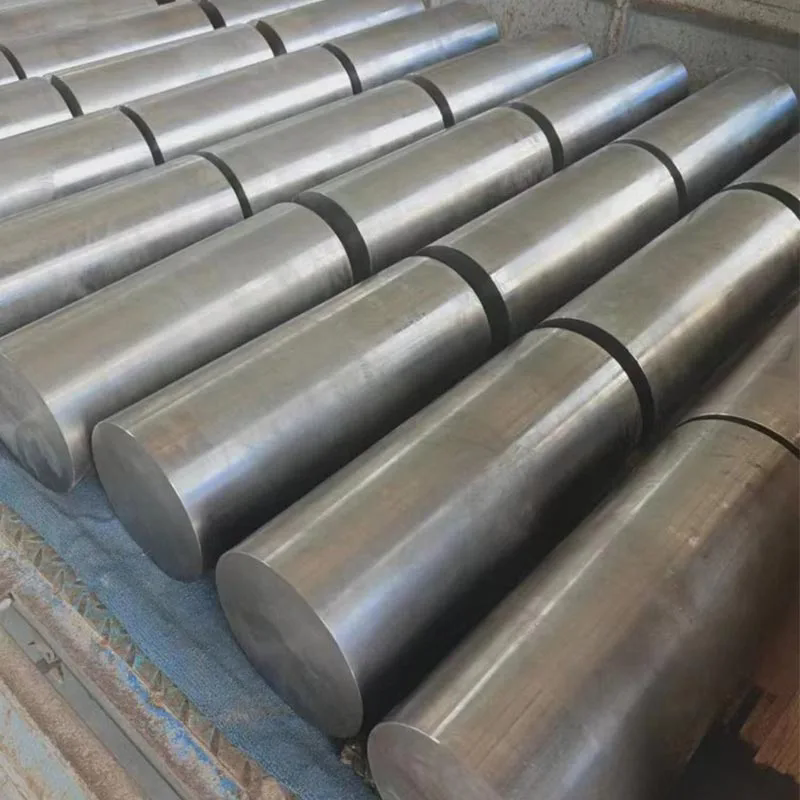
 What Is a Nickel Based Alloy Forged Round Bar and Why Is It Used in Critical Industries?
Learn about nickel based alloy forged round bars, their composition, manufacturing process, and why they are essential in critical industries like aerospace, oil and gas, and power generation.
 01 2026-07
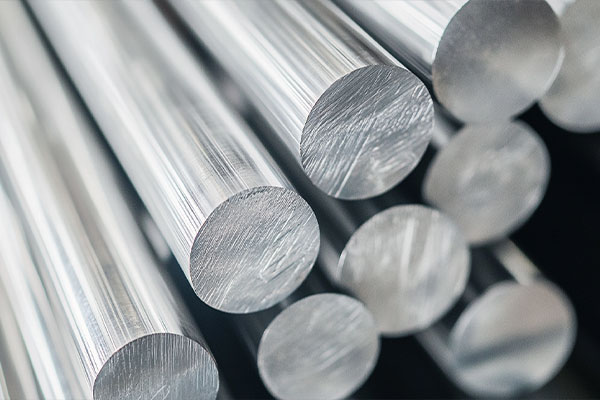
 Forging Process Technology Achieves Continuous Breakthroughs, Stainless Steel Round Billet Manufacturing Advances Toward Precision
The production of forged stainless steel round billets encompasses a complete process chain from melting and forging to heat treatment. The melting stage commonly employs a duplex process combining electric arc furnace and argon-oxygen decarburization, while premium grades utilize advanced refining technologies such as vacuum arc remelting or electro-slag remelting to ensure material purity and compositional uniformity.
 01 2026-07
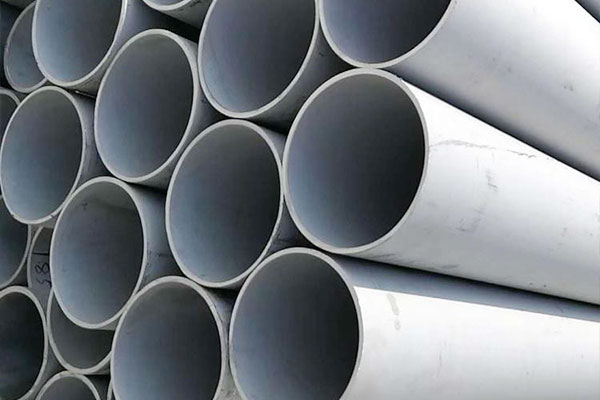
 Hot-Finished Process Technology Achieves Continuous Breakthroughs, Nickel-Based Alloy Seamless Pipe Manufacturing Advances Toward Precision
The manufacturing of hot-finished nickel-based alloy seamless pipes involves a complete process chain from melting, hot piercing/extrusion, to subsequent cold working and heat treatment. The melting stage generally employs a duplex process combining vacuum induction melting and electroslag remelting to achieve precise composition control and deep material purification. For high-alloyed grades such as N06690, hot working breakdown is typically performed at elevated temperatures between 1100 and 1200 degrees Celsius to break down the coarse as-cast structure and form a fine, uniformly distributed grain structure.
 01 2026-07
 Stainless Steel Seamless Pipe Market Continues to Expand, Driven by Energy and High-End Manufacturing
The global stainless steel seamless pipe market is experiencing steady growth. Industry data indicates that the market size is projected to increase from USD 3.88 billion in 2025 to USD 5.15 billion by 2030, representing a compound annual growth rate of 5.8%. Another market analysis report forecasts the market could reach USD 5.93 billion by 2034. This growth trajectory is primarily fueled by robust demand from the oil and gas, chemical, power generation, and renewable energy sectors for high-performance tubular products.