Products
China Professional Forged Stainless Steel Round Billet Manufacturer
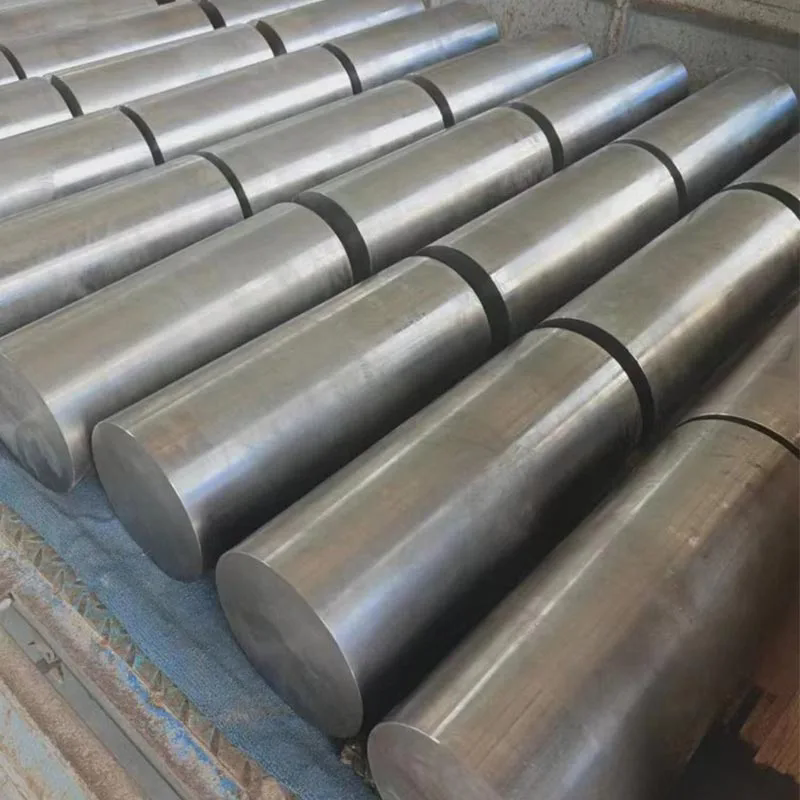
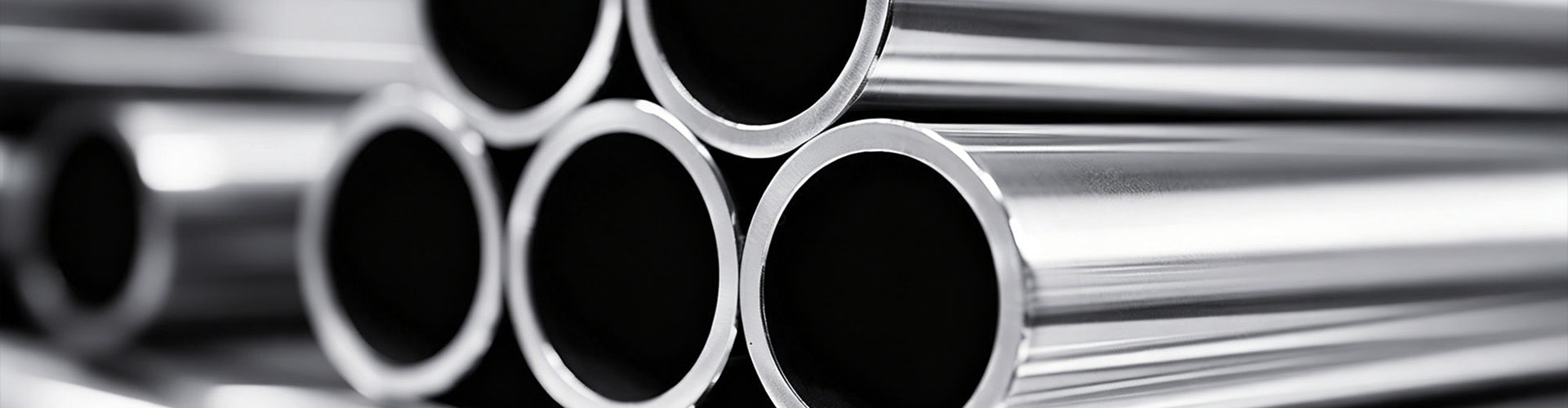
Buy quality forged stainless steel round billets from JILAIDA, a professional manufacturer in China. We provide forged round billets with diameters of 20-350mm. Through forging and crushing, the forged billets break down the dendrites, closed center porosity and segregation defects in the cast state, and obtain a uniform and dense grain flow structure from the surface to the core, providing a reliable billet base for subsequent seamless tube piercing, precision machining or reforging.
A forged round billet is not the same thing as a rolled bar. The distinction matters more in stainless steel than in carbon steel, because the alloy content changes how the metal moves under pressure, how it solidifies, and how it hides defects. Buyers who source stainless steel rounds for further processing - piercing, machining, forging, or extrusion - need to know what they are actually buying and what the forging step contributes that rolling does not.
What Forging Changes Inside the Steel?
When a stainless steel ingot or continuous-cast bloom enters a forging press, the applied force breaks up the as-cast structure. Cast metal has a dendritic grain pattern with segregation bands and a tendency toward centerline porosity - small voids that form where the last metal to solidify shrinks. Forging compresses the cross-section, welding those voids shut and reorienting the grain flow along the longitudinal axis of the billet. The result is a round with uniform density from surface to center, which matters enormously when the billet will be pierced to make a seamless tube or machined into a precision part.
Reduction ratio is the number that captures this. A 4:1 reduction ratio means the starting cross-section area was compressed to one quarter of its original size. For general structural applications, 3:1 is acceptable. For billets destined for seamless tube production or high-pressure service, we recommend 4:1 or higher. JILAIDA maintains forging records that document the reduction ratio for each heat and size, and these records travel with the material test certificate.
Grades and What They Tell a Forging Shop
|
Grade |
Forging Temperature Range |
Key Consideration |
|
304 / 304L (08Х18Н10) |
1150-1260C |
Sensitization risk if held too long in 450-850C band |
|
316 / 316L (08Х17Н14М2) |
1150-1260C |
Mo content raises hot deformation resistance ~10% over 304 |
|
310S |
1120-1230C |
High Cr + Ni slows heat transfer, longer soak time needed |
|
2205 Duplex |
1100-1250C |
Must avoid 700-900C sigma phase zone; rapid cooling required |
The temperatures above are starting points. Each heat behaves slightly differently depending on the exact chemistry within the specification range, and an experienced forging shop adjusts press speed and dwell time based on how the metal responds at the anvil. This is where factory-direct production offers an advantage over trading-company sourcing - the people running the press can answer metallurgical questions about your specific order, not just relay a spec sheet.
- View as
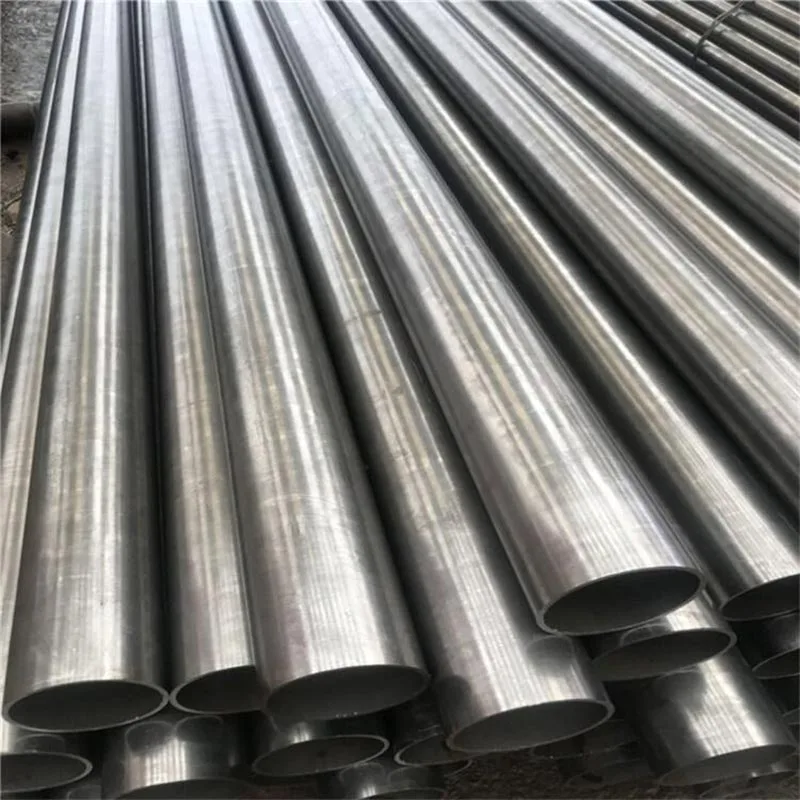
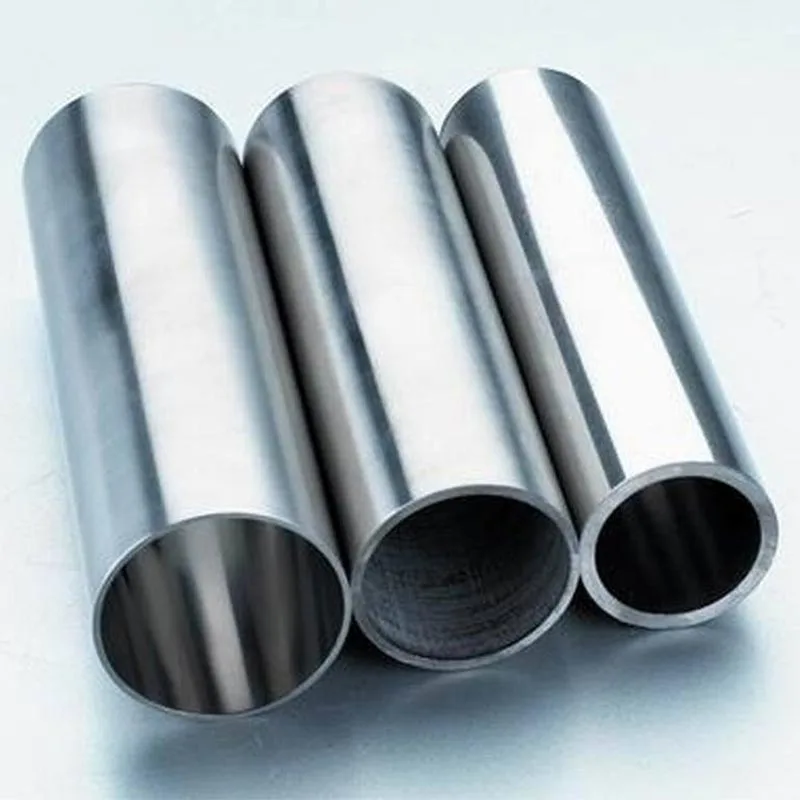
316 Bright Stainless Steel Bar
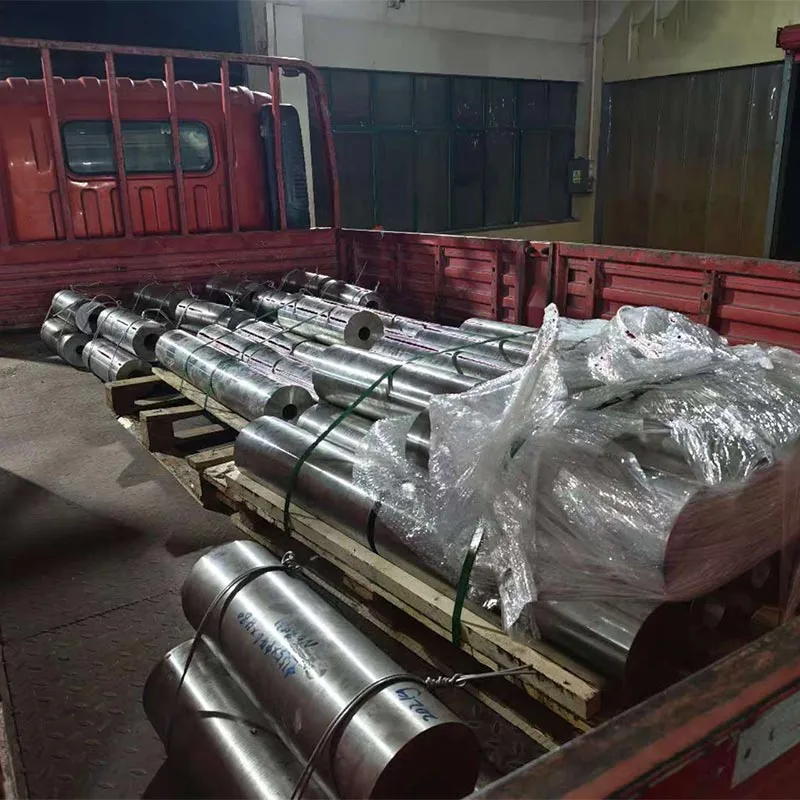
A 316 bright stainless steel bar from JILAIDA factory is the 16Cr-10Ni-2Mo grade put into a clean, reflective round form — the molybdenum pushing the pitting resistance equivalent number (PREN) about 6–8 points above 304, which is the difference between pitting in a few months and pitting in a few years. The bright surface is not cosmetic: polishing removes the micro-roughness that traps chloride ions, slows crevice corrosion, and lets the user see any surface defect during inspection. Standard stock is 154 mm diameter × 500 mm length; custom diameters 20–350 mm run on the same forging line with bright-drawing or centerless grinding to h9 tolerance.
310 Stainless Steel Polished Rod
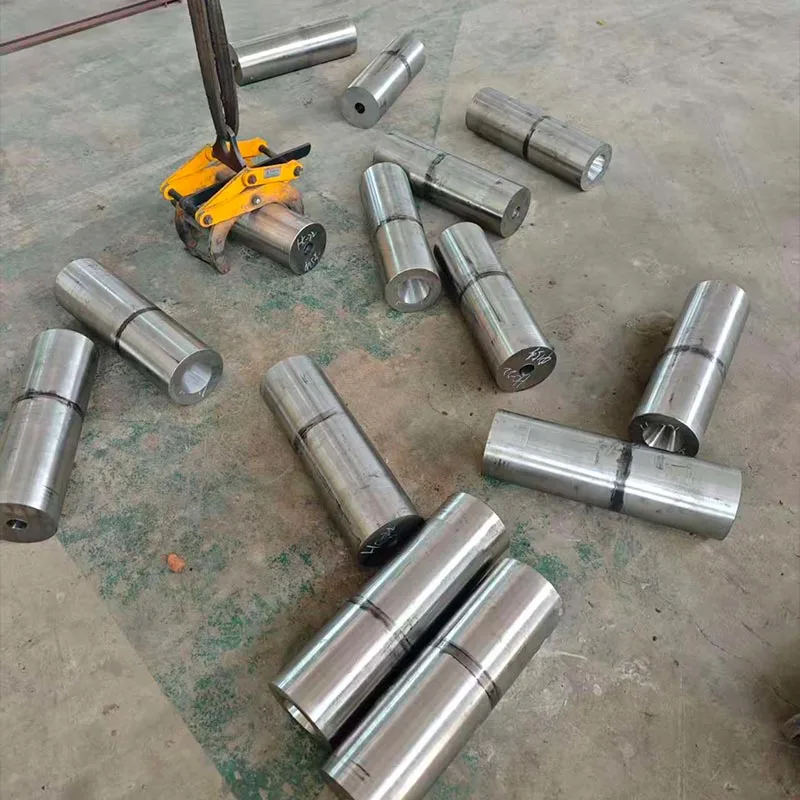
25% chromium, 20% nickel — that's the chemistry that lets 310 keep its structure when the furnace is at full fire. Most stainless grades start losing yield strength above 500 °C; 310 barely notices until you pass 900 °C, and it resists oxidation in air up to 1150 °C. The 310 stainless steel polished rod from Jiangsu Ji Lai Da Nickel-Based Alloy Co., Ltd. takes that heat resistance and puts it in a form you can machine — a forged round with a ground or polished surface, ready to turn into bolts, pins, hangers, or any component that sits inside the hot zone.
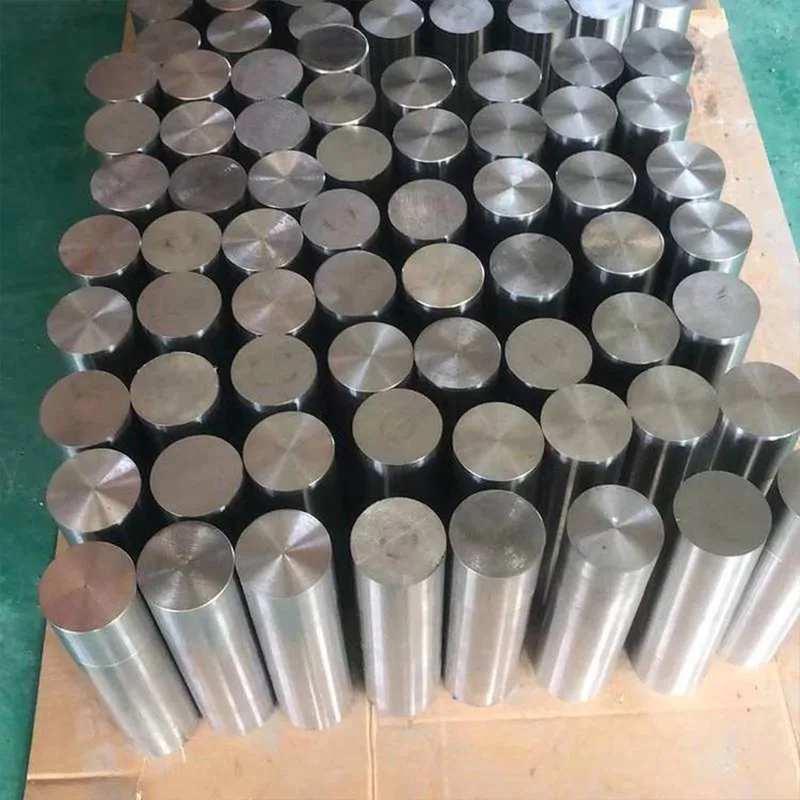
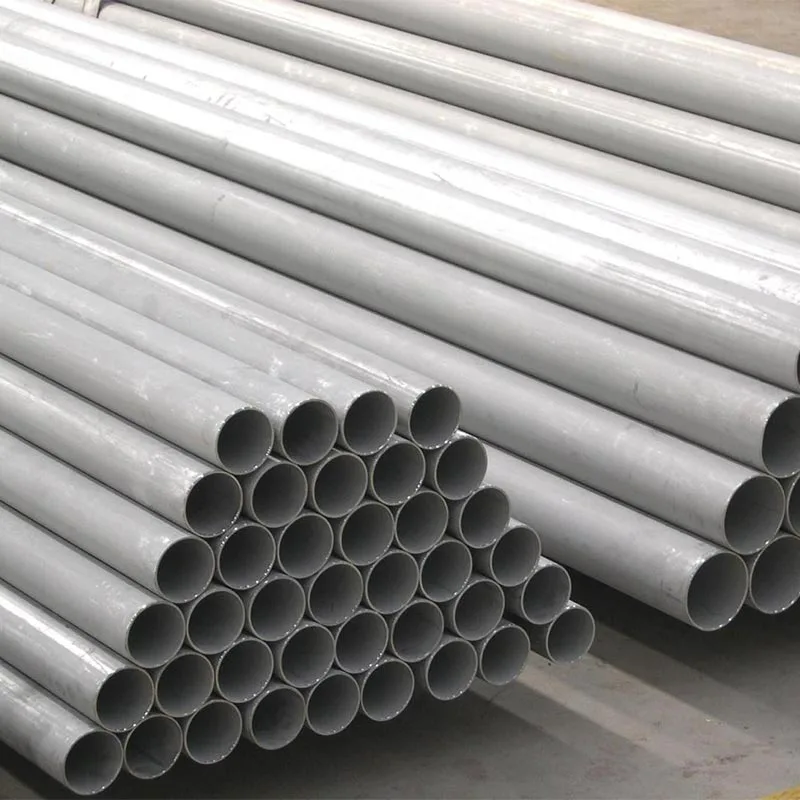
304 Stainless Steel Round Rod
304 accounts for more stainless consumption than any other grade — roughly half the global market. Not because it's exotic, but because it works: 18% chromium for passivation, 8% nickel for austenite stability, good formability, weldability, and corrosion resistance across a thousand routine applications. Jiangsu Ji Lai Da Nickel-Based Alloy Co., Ltd. produces the 304 stainless steel round rod as a forged semi-finished product in diameters from 20 to 350 mm, with the 154 mm × 500 mm size regularly available. The rod is supplied as-forged, rough-turned, or bright-drawn depending on what your downstream process requires.
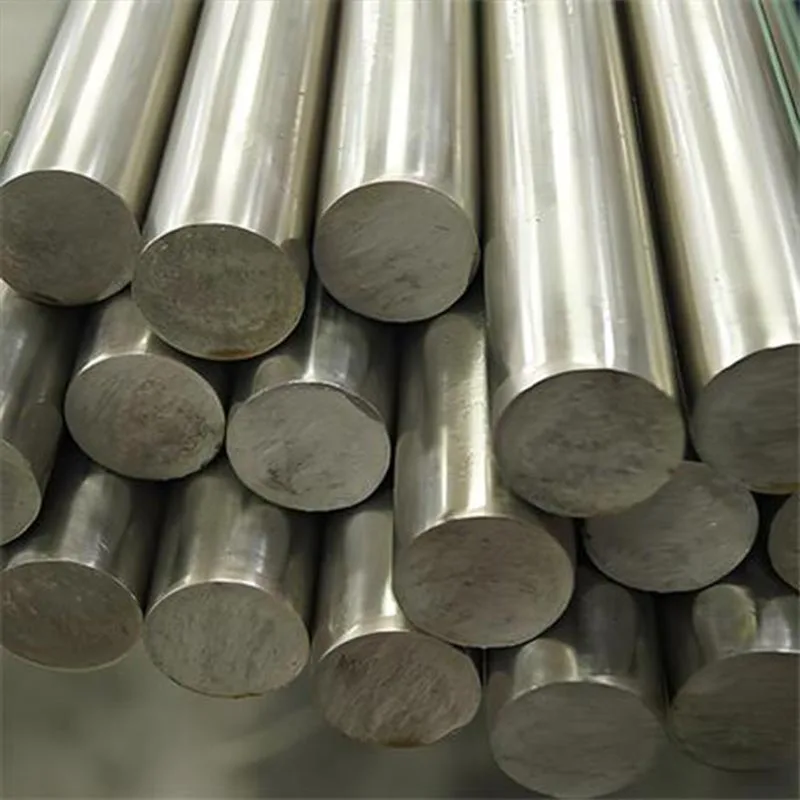
Forged Stainless Steel Round Bar
Forged stainless steel round bar is a semi-finished product specified wherever a machined component must carry real load — shafts, flanges, valve bodies, propeller stocks, turbine bolts, and reactor internals across the machining, chemical, marine, power, food, and construction industries. Unlike cold-drawn bar that starts from hot-rolled stock and may retain casting defects, forged stainless steel round bar is produced by open-die forging, which compresses and refines the grain flow and eliminates internal porosity, delivering higher mechanical integrity for every critical part machined from it.
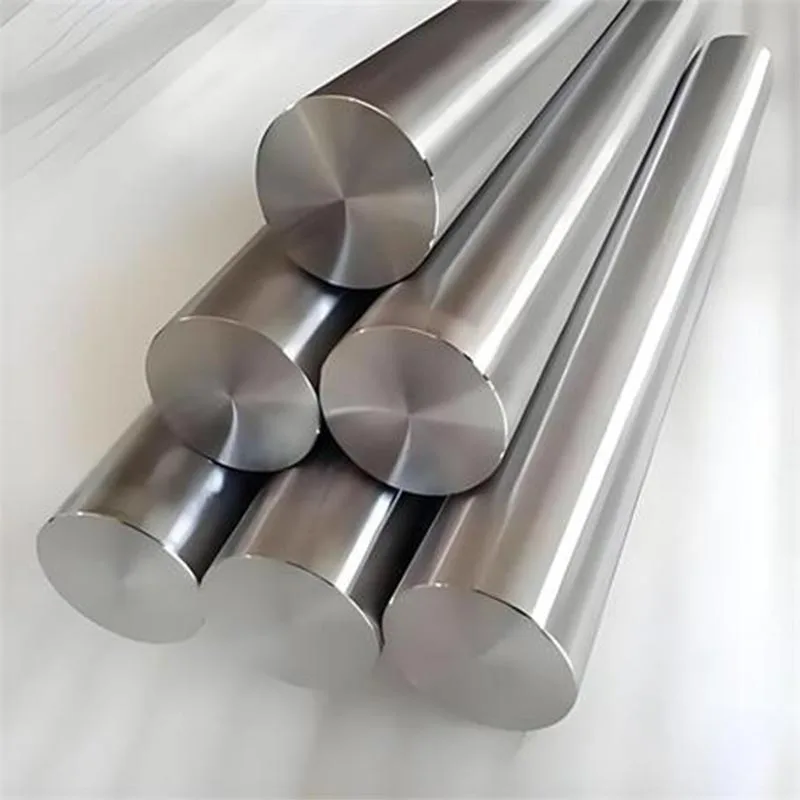
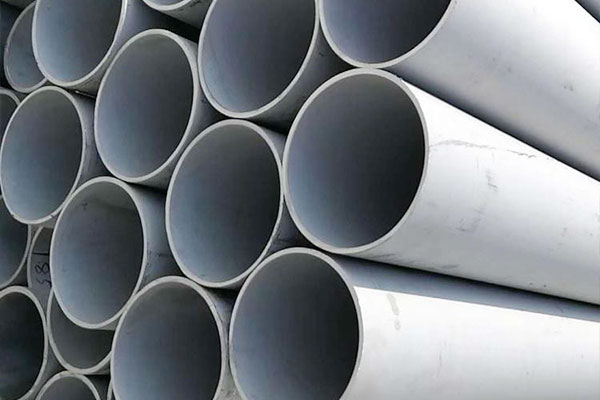
Duplex 2205 Stainless Steel Cylinder Blank
Duplex 2205 stainless steel cylinder blank is an as-forged semi-finished solid cylinder specified where a machined component must survive both high mechanical stress and aggressive chloride environments — subsea Christmas tree bodies, desalination pump cylinders, chemical reactor internals, heat exchanger tube sheets, and marine hydraulic actuator housings. Duplex 2205 sits between austenitic and ferritic stainless with a roughly 50 / 50 microstructure, delivering yield strength around 450 MPa — nearly double that of 316L — and chloride pitting resistance that matches or exceeds 317L, plus stress corrosion cracking resistance that austenitic grades simply cannot offer.
Diameter and What It Drives
Forged stainless steel round billets from JILAIDA cover a diameter range of 20-350mm. Standard production centers on 154mm diameter by 500mm length, a size that matches common seamless tube piercing mill feedstock. But the relationship between diameter and everything else is not linear.
Larger diameters require larger starting ingots, which means longer soak times to achieve through-thickness temperature uniformity before forging. Above 200mm, ultrasonic testing of the full cross-section becomes mandatory rather than optional - not because the forging process is less reliable at large sizes, but because the consequences of a subsurface defect in a 300mm billet are more severe than in a 50mm bar. A 50mm round can be visually inspected and surface-dressed. A 300mm round needs phased-array UT to verify centerline soundness.
Smaller diameters, below 30mm, shift the cost equation toward rolling rather than forging. A forged 25mm round costs more per kilogram than a rolled one of the same grade, and for most applications the rolled product performs adequately. Forged small rounds make sense when the buyer needs a specific grain orientation, a surface finish that rolling cannot achieve, or a small quantity of a grade that rolling mills will not schedule.
Surface Condition as a Purchasing Decision
We offer two standard surface conditions on forged stainless steel round billets: as-forged (dark, scaled surface) and peel-turned or polished (bright, machined surface). The choice is not cosmetic. As-forged surface is appropriate when the billet will be further processed - pierced, re-forged, or rough-machined - and the scale will be removed in that step. Polished surface is specified when the billet ships to an end user for direct machining into a finished component, where surface decarburization or embedded scale would damage cutting tools or contaminate the workpiece.
Some buyers request a specific surface roughness Ra value. We can meet Ra 3.2 as standard on peeled surfaces and Ra 1.6 on polished surfaces. Tighter requirements are possible but add cost and lead time. Stating the surface condition and roughness requirement in the RFQ avoids rework later.
What a Buyer Should Include in an Inquiry
A well-structured RFQ for forged stainless steel round billets contains more than grade and size. The following checklist shortens the quotation cycle:
• Grade designation - include both common name and UNS number if available; for Russian-standard buyers, GOST grade (e.g., 08Х17Н14М2) is acceptable and we will confirm the equivalent
• Diameter and length - state whether length is fixed cut or mill length; if both ends will be cropped, specify the usable length required
• Surface condition - as-forged, peeled, or polished, with Ra value if applicable
• Reduction ratio requirement - if the billet is for seamless tube feedstock or pressure-retaining service, specify minimum 4:1
• Testing scope - chemical analysis (mandatory), mechanical properties, ultrasonic testing, hardness
• Documentation - EN 10204 3.1 MTC is standard; 3.2 with third-party witnessing is available on request
• Quantity and delivery basis - FOB Shanghai or CIF destination port; DDP available for specific routes on request
• End use - whether the billet will be pierced, machined, re-forged, or used as-is; this affects our tolerance recommendations
As a China manufacturer with direct control over the forging process, we can adjust production parameters to meet specific metallurgical or dimensional requirements that a trading house cannot accommodate. Factory-direct pricing on forged stainless steel round billets is available for both standard and custom sizes. Supplier documentation packages - including MTC, forging records, and UT reports - ship with every order.