Products
Data Center Liquid Cooling Pipes
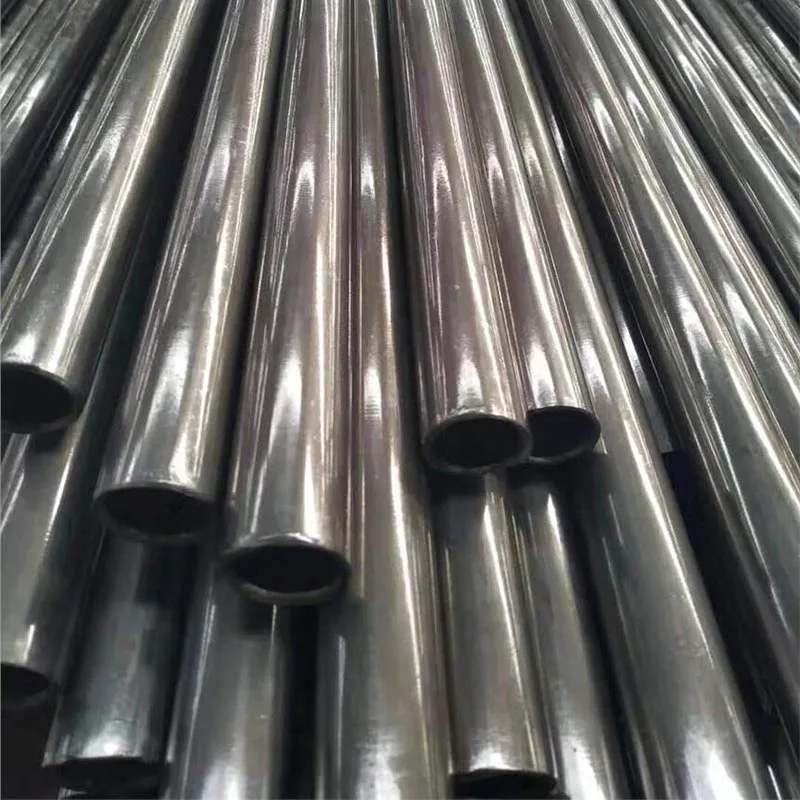
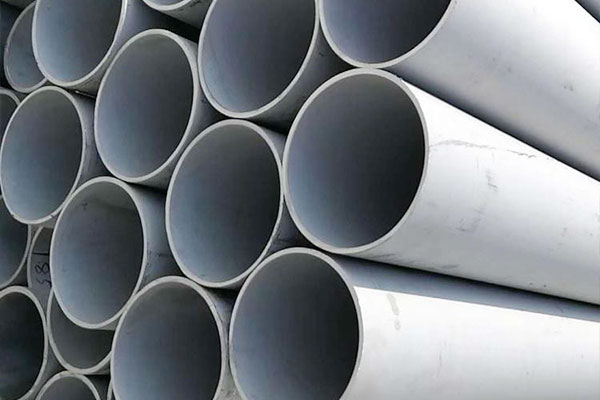
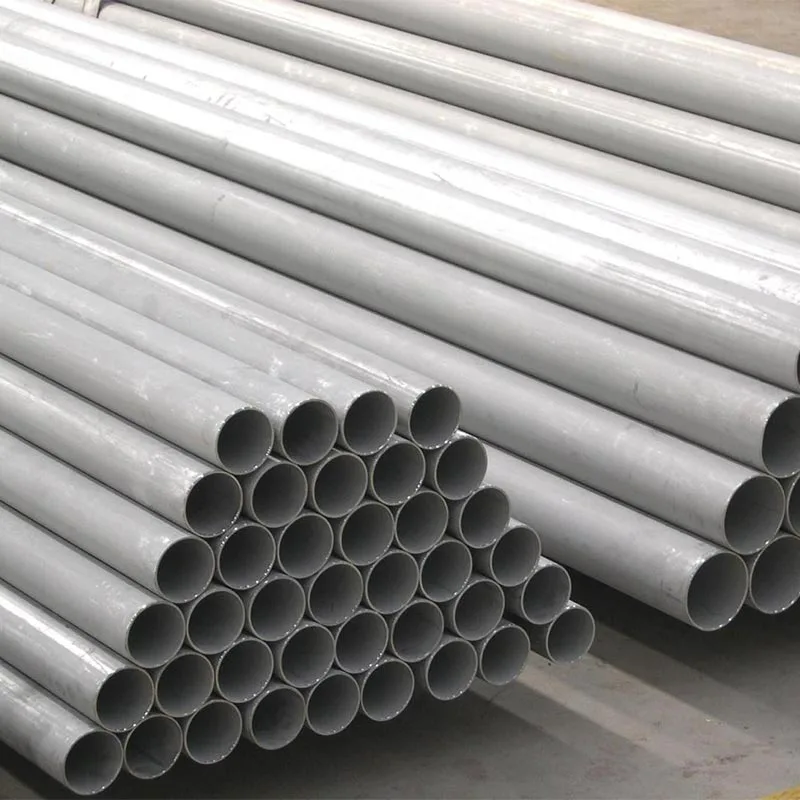
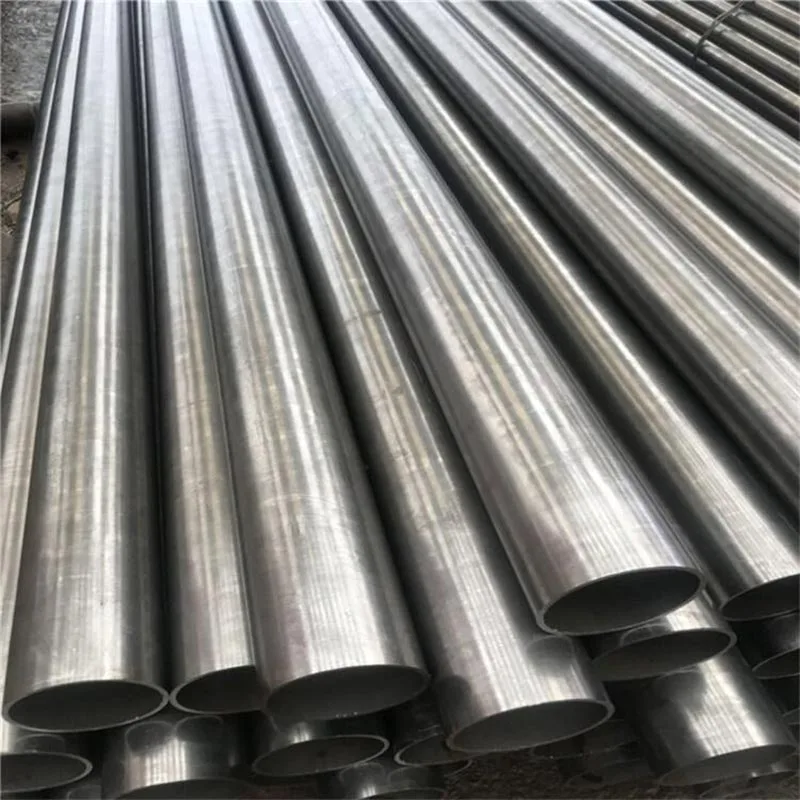
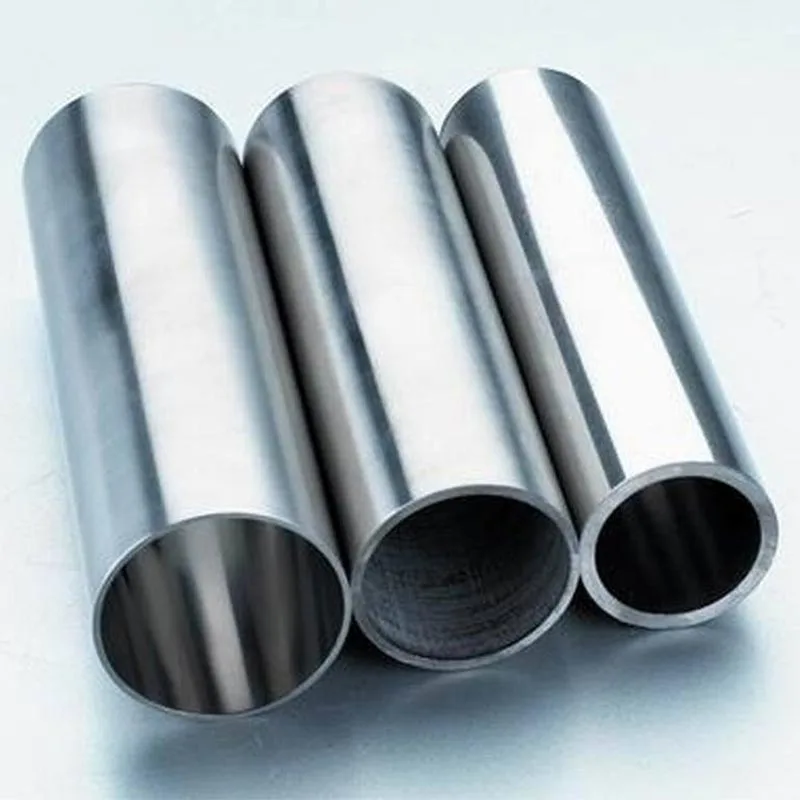
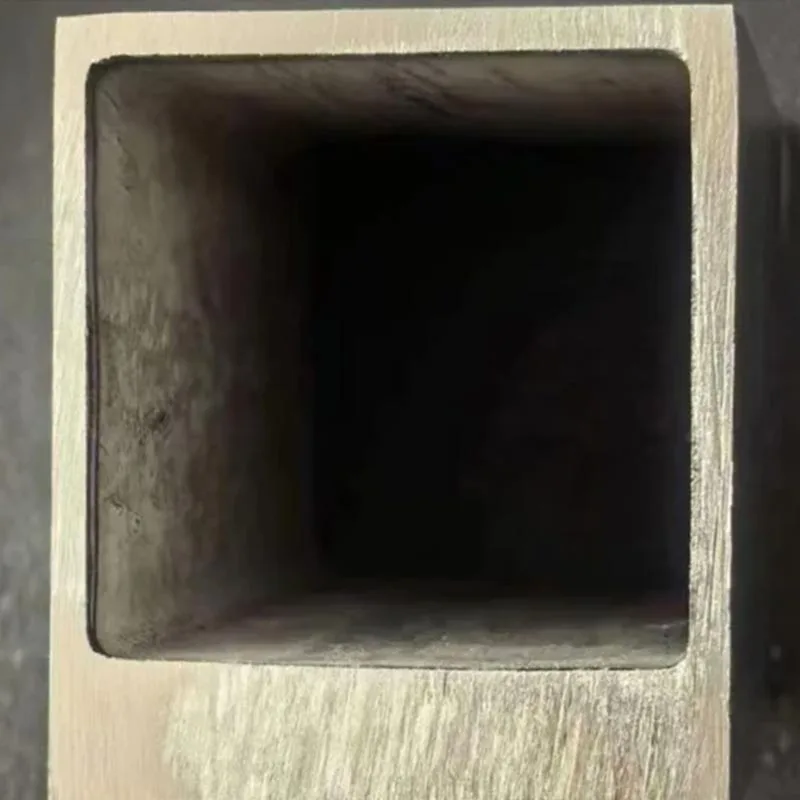
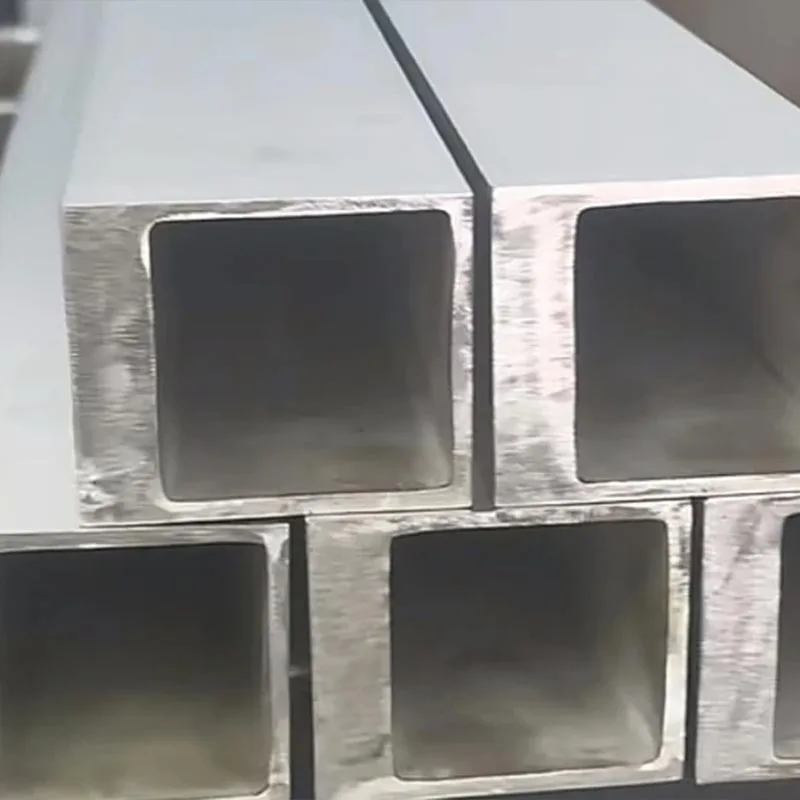
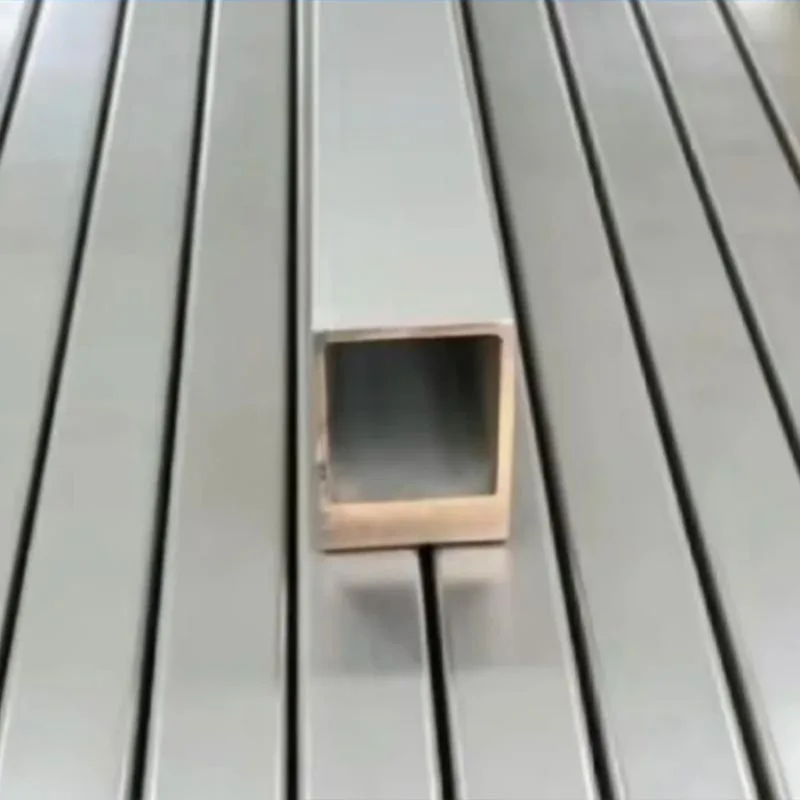
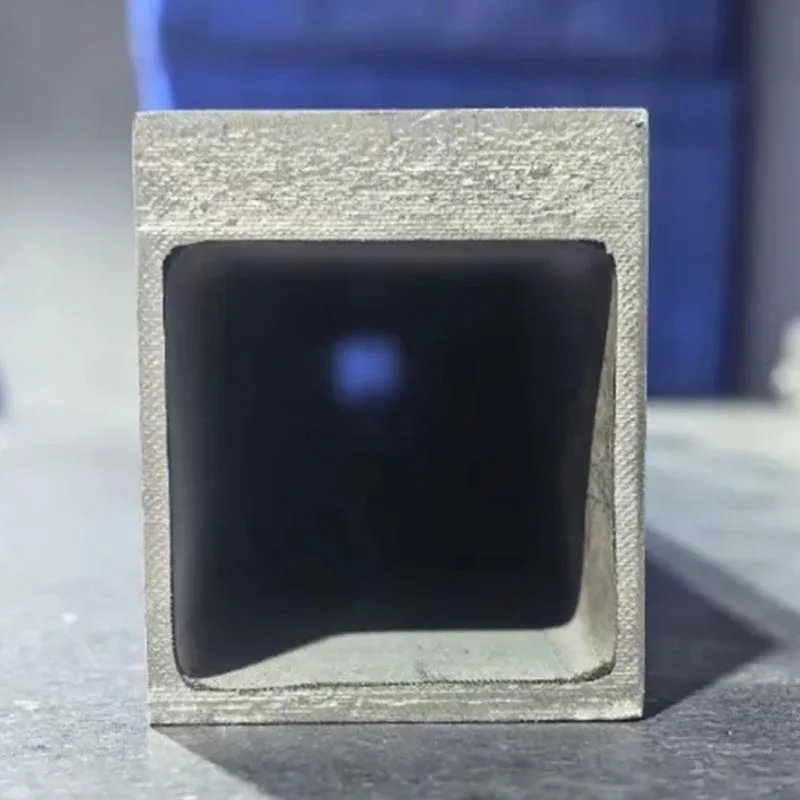
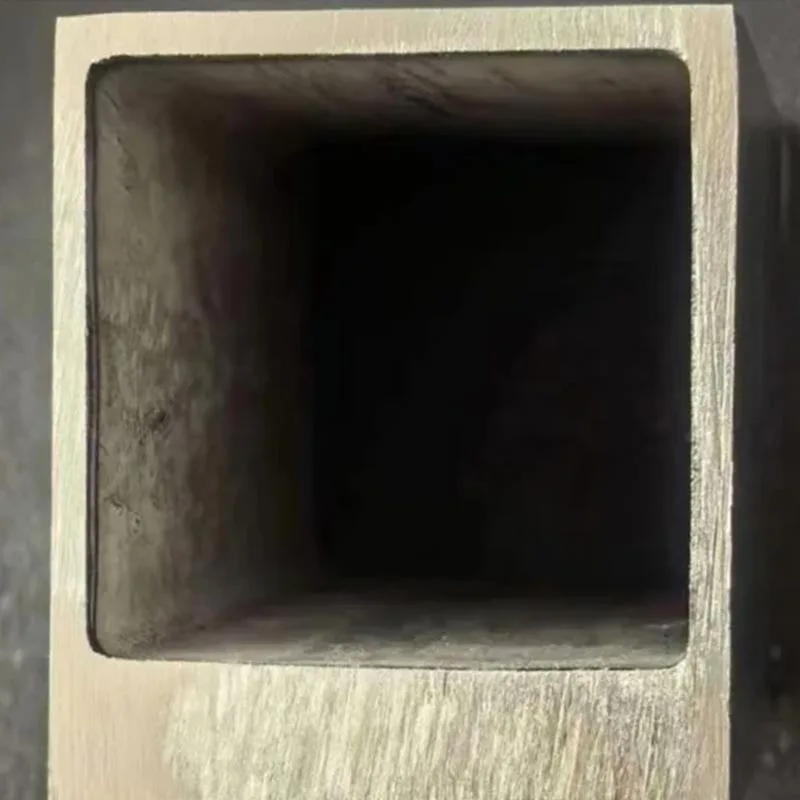
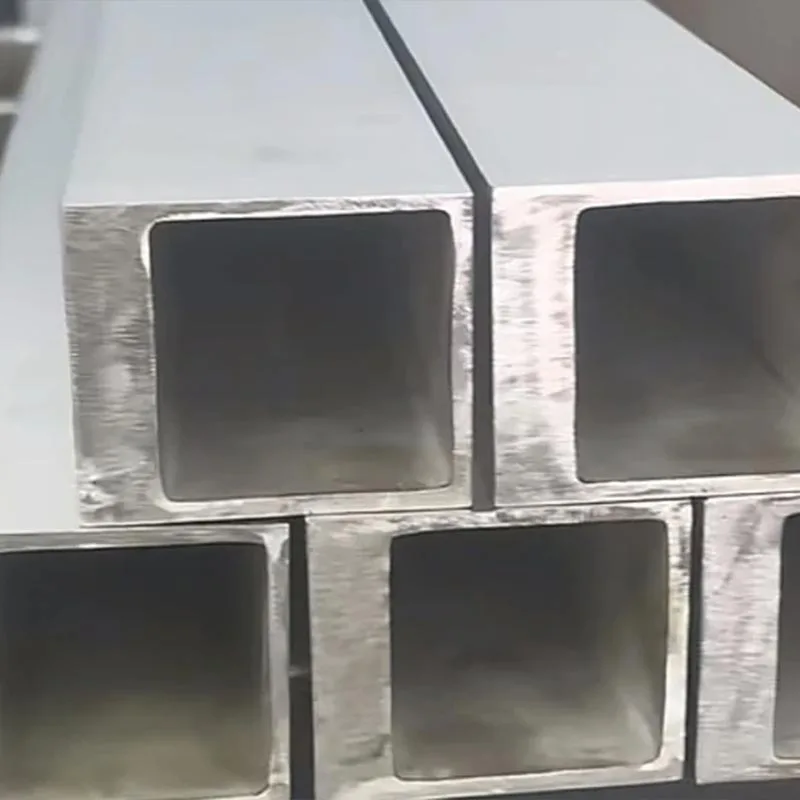
JILAIDA factory's Data Center Liquid Cooling Pipes is not a single SKU — five liquid cooling architectures run in production data centers today, and each puts a different demand on the tube. Cold-plate loops carry deionized water or dilute glycol from a rack-level manifold to copper cold plates on CPU and GPU packages. Single-phase immersion submerges the server in dielectric fluid; the tube is the secondary loop pulling heat through a rack-side heat exchanger.
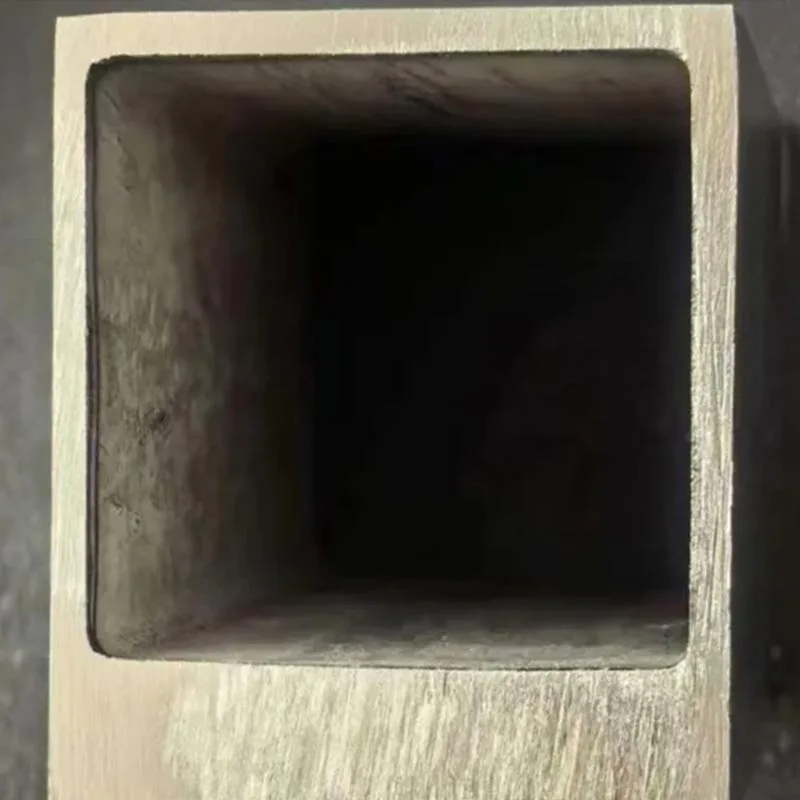
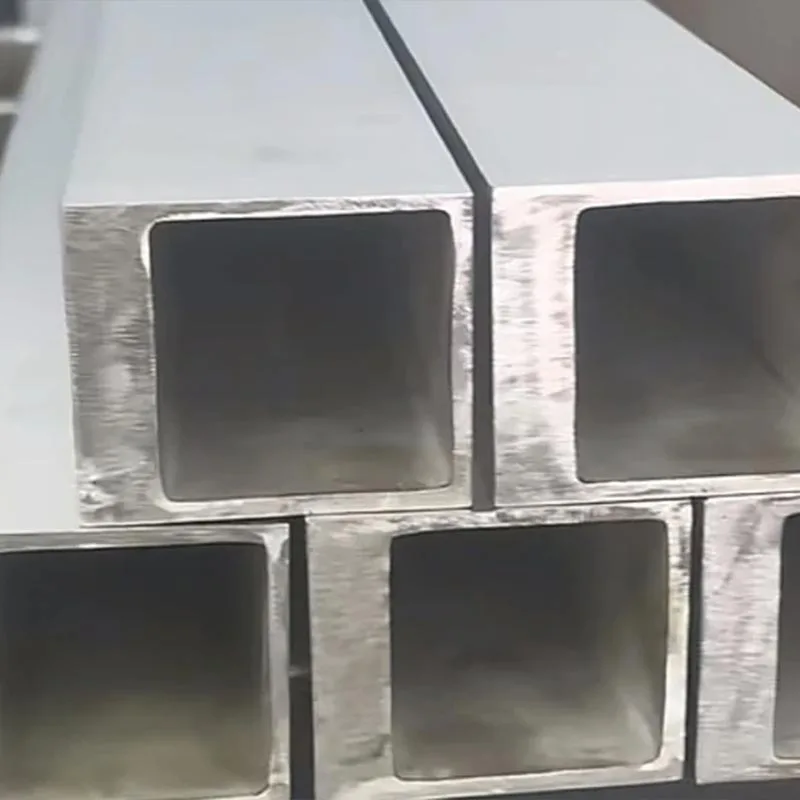
Two-phase immersion condenses the dielectric on a chilled surface, raising the tube's pressure rating. Rear-door heat exchangers use water inside an air-cooled cabinet. Spray cooling jets atomize dielectric directly onto the chip. JILAIDA, a professional manufacturer in China, extrudes Data Center Liquid Cooling Pipes to a custom unequal-wall cross-section that matches whichever architecture the project specifies — most operators run two or three in the same hall. Material selection is driven by coolant chemistry, not architecture: 304 for sealed loops with low-concentration glycol below 50 °C; 316 for higher glycol concentrations, elevated temperatures, or dielectric fluids where trace chlorides can pit 304 over thousands of hours; and nickel alloys — C276, N06625, HC-22 — when the loop includes a brazed plate heat exchanger with copper or aluminum on the secondary side, creating galvanic risk.
Every Data Center Liquid Cooling Pipes from Ji lai da ships with an EN 10204 3.1 MTC covering chemistry, mechanical properties, and dimensional inspection; SGS, BV, or TUV third-party witness is available on request. Procurement teams source directly from the China manufacturer under FOB, CIF, or DDP terms — no trading-company markup, factory-direct pricing, and tooling feasibility plus written quotation returned the same working day. Send your cross-section drawing, coolant spec, and delivery term to Jiangsu Ji Lai Da Nickel-Based Alloy Co., Ltd. to request a quote.
Coolant Chemistry Drives the Material Decision
Coolant chemistry decides the alloy, not the architecture. Deionized water with 10–30 % propylene glycol runs cleanly in 304 if the loop stays sealed and the inhibitor is maintained. Push glycol past 40 % or temperatures above 50 °C, and 316 is the safer specification — its 2 % molybdenum resists pitting when glycol degrades. Dielectric fluids like Novec 7100 are chemically mild but leach chloride traces from residual cleaning agents over time; 316 closes that risk. Where a brazed plate heat exchanger introduces copper or aluminum on the secondary side, galvanic risk moves the spec to nickel alloys — C276, N06625, HC-22 — and Jiangsu Ji Lai Da Nickel-Based Alloy Co., Ltd. extrudes those in the same unequal-wall profile on a custom run.
Inside the Loop: From Rack Manifold to Cooling Tower
The cooling loop splits at the coolant distribution unit (CDU). On the secondary side — rack manifold to CDU — temperatures sit at 25–40 °C, pressures are modest, and the tube handles flow distribution. On the primary side — CDU to chiller or cooling tower — temperatures drop to 5–15 °C, pressures run higher, and the tube carries the full heat load. The Data Center Liquid Cooling Pipes on each side needs a different wall, alloy, and MTC. Specifying both under one part number is the most common buyer mistake: the secondary side typically wants 304 with a 3.3 / 3.3 / 3.3 / 13 mm section, the primary side wants 316 with a thicker base wall and tighter bore concentricity. Source both from Ji lai da in a single purchase order to avoid split-shipment delays.
| Architecture | What the tube must deliver |
| Cold plate | Tight internal Ra, predictable flow at 25–40 °C, deionized water or low-concentration PG |
| Single-phase immersion | Secondary loop, 316 alloy for chloride trace, 0.8 µm bore finish |
| Two-phase immersion | Higher pressure rating, thicker base wall, full-penetration UT on the seam-free profile |
| Rear-door heat exchanger | Compact OD, equal-wall rectangular profile, connection end prep for push-fit or threaded |
| Spray cooling | Nozzle-grade dimensional control, internal surface free of laps or oxide inclusions |
A Real RFQ, and What It Looked Like
A Singapore colocation operator sent the inquiry below for a 5 MW edge data center in Johor Bahru. The exchange shows how Data Center Liquid Cooling Pipes order moves from RFQ to PO at our mill.
Buyer (Singapore, colocation operator): "5 MW edge DC in Johor — single-phase immersion with Novec 7100 on high-density rows, cold-plate on standard. One profile or spec separately? Immersion at 40 °C, cold-plate at 25 / 35 °C, 15 % PG. Need MTC per EN 10204, pickled and passivated. Quote 1200 m, 60 / 40 split, CIF Pasir Gudang."
Reply: "Spec separately — OD and wall differ. Cold-plate: 304, OD 25 mm, walls 3.3 / 3.3 / 3.3 / 13 mm, pickled, MTC 3.1, 800 m in stock. Immersion: 316 — chloride trace in Novec pits 304, 2 % Mo closes that. OD 28 mm, Ra 0.8 µm, 6-week lead for 400 m. Both ship CIF Pasir Gudang in one 40 HC. RFQ → quote → PO in 5 working days."
Buyer: "Two follow-ups. Is the MTC enough or do we need third-party witness for the immersion side? Also, the immersion tanks show trace copper from heat-exchanger brazing — does that change your alloy recommendation?"
Reply: "Third-party not required on standard MTC, but SGS or BV is available on request. On the copper — yes, that changes things. Copper ions with 316 create a galvanic cell. Move immersion to C276 or N06625, same wall and Ra. Higher per-meter cost but the copper-stainless couple is removed. Send updated RFQ, quote revised same day."
Five architectures, two sides of the CDU, one quote. Send your cross-section drawing, coolant spec on each loop side, and target delivery term — Jiangsu Ji Lai Da Nickel-Based Alloy Co., Ltd. returns tooling feasibility, written quotation, and lead time the same working day, factory-direct from China under FOB, CIF, or DDP.
Send Inquiry
Contact Info
-
Address
No. 521 Zhonghui Road, Huishan District, Wuxi City, Jiangsu Province, China
-
Tel
-
Email
Request a quotation from JILAIDA, a professional stainless steel and nickel based alloy seamless pipes and nickel based alloy forged round bar manufacturer in China. Get factory price, customized solutions and reliable supply.
News Recommendations