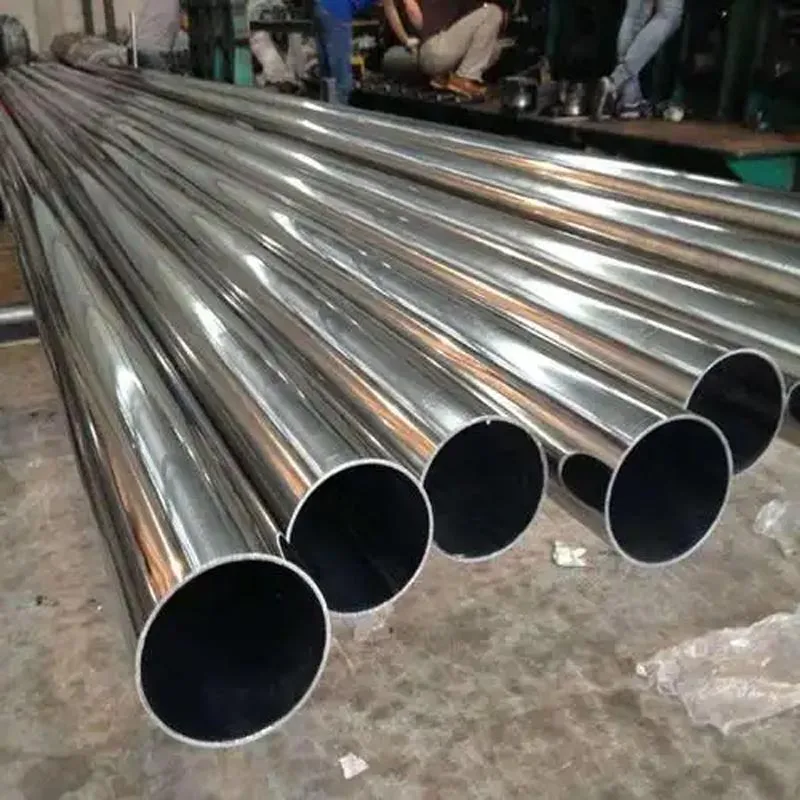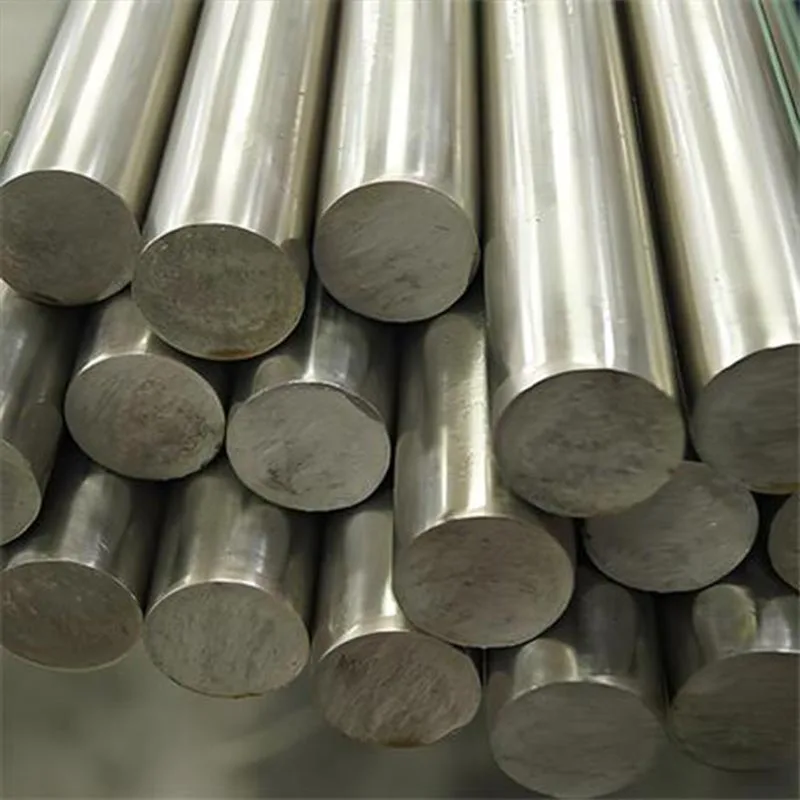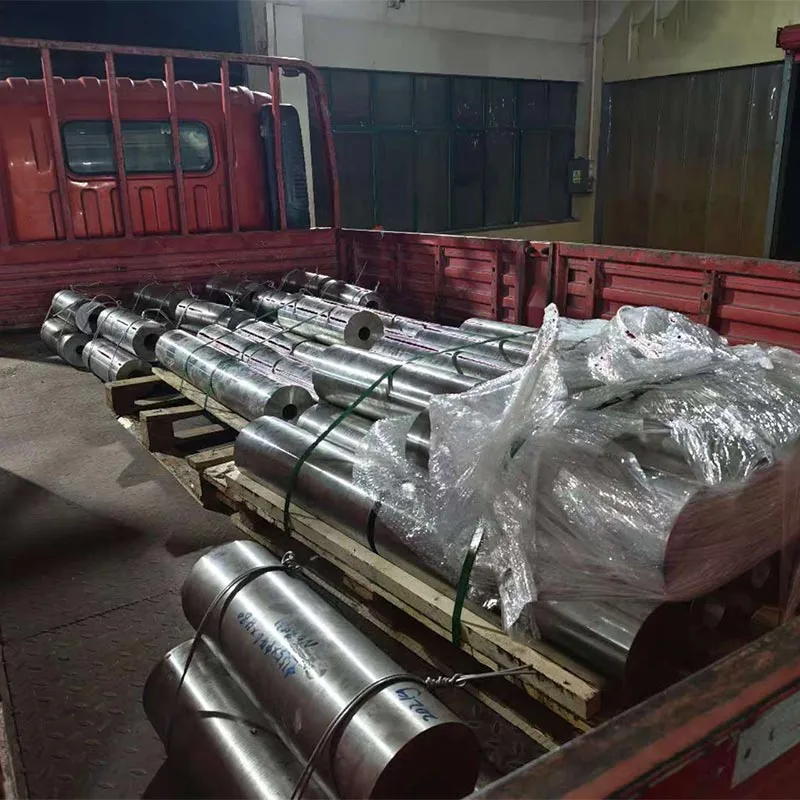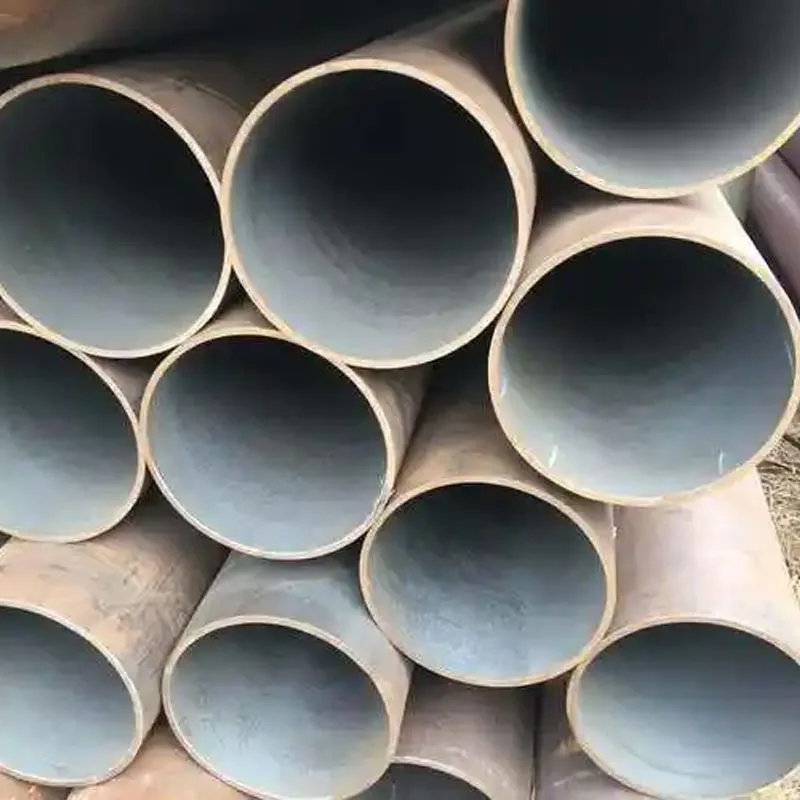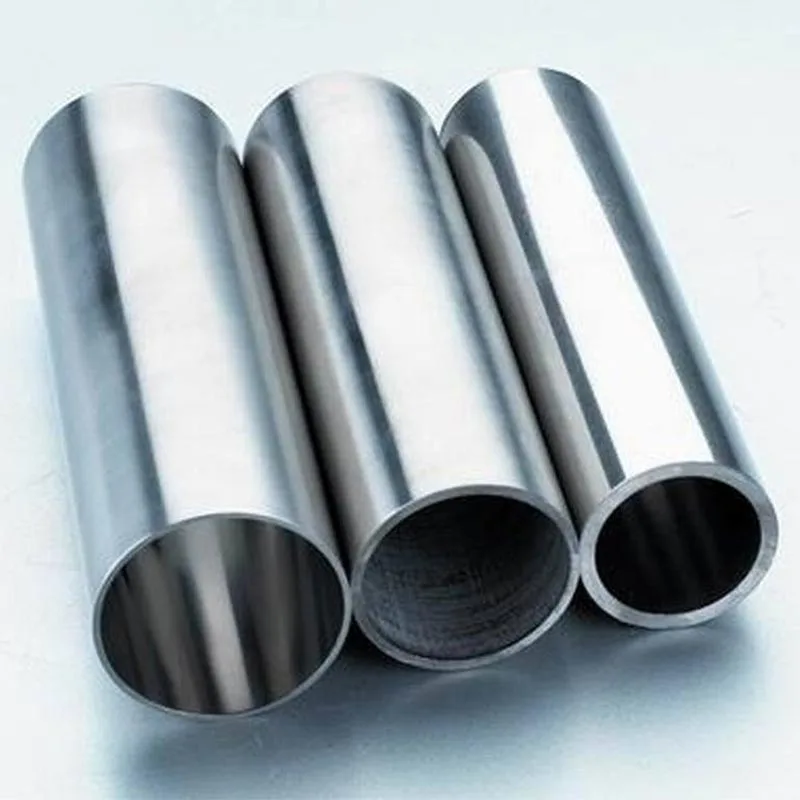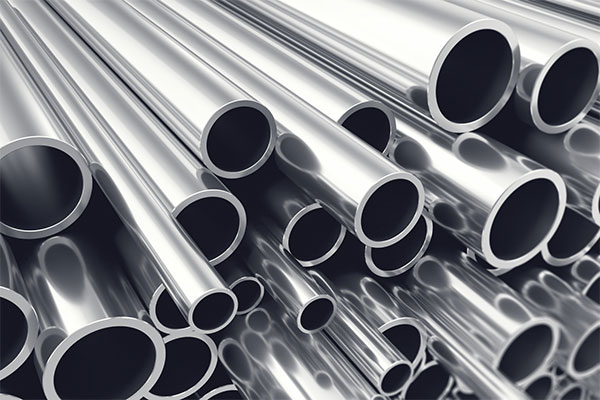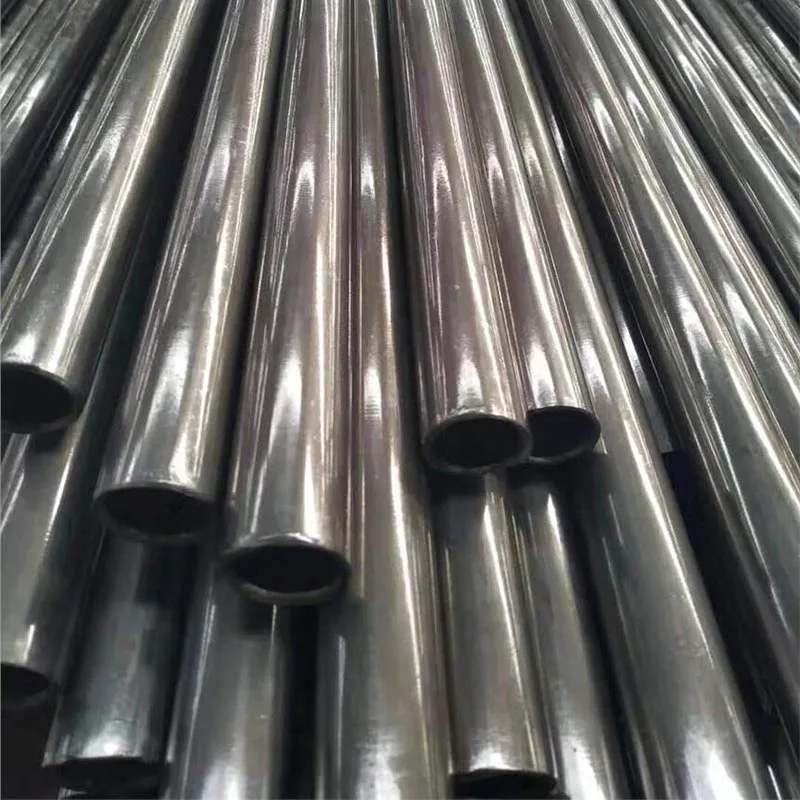

Choosing the right stainless steel pipe begins with understanding how material grade, manufacturing method, dimensions, fabrication requirements, and service conditions work together. A 304 Stainless Steel Seamless Pipe is an austenitic stainless steel tubular product based on Type 304, commonly identified as UNS S30400 and EN 1.4301. Its combination of general corrosion resistance, fabrication flexibility, toughness, and seamless construction makes it relevant to many industrial and commercial piping requirements. The key question is not simply whether 304 is a familiar stainless grade, but where its characteristics fit the actual process, temperature, fluid, dimensional, and installation conditions.
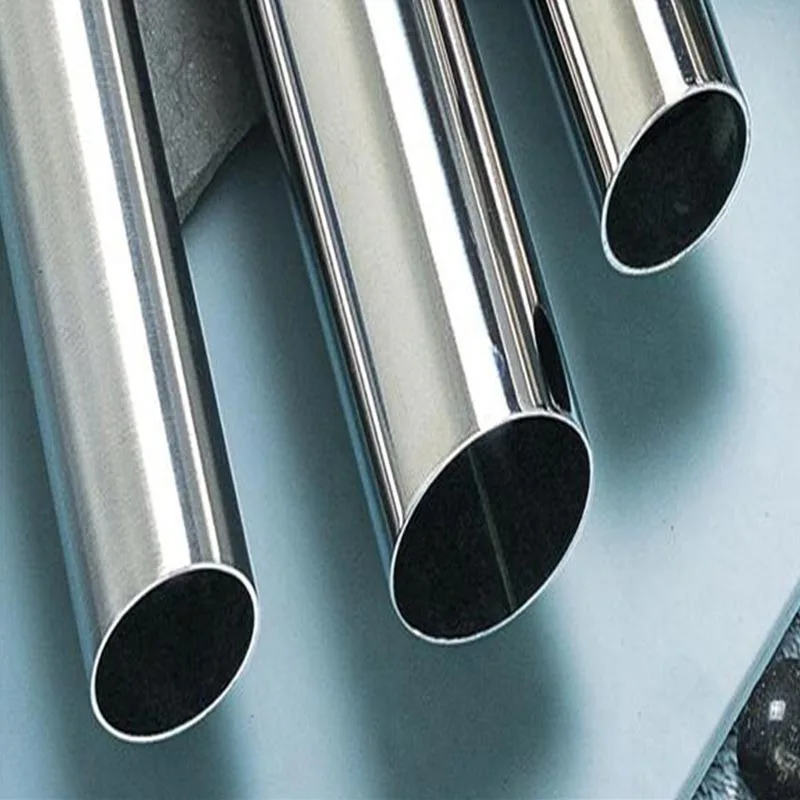
Type 304 stainless steel is widely used because it offers a balanced combination of chromium-nickel alloying, corrosion resistance, ductility, weldability, and general fabrication performance. When supplied as seamless pipe, the tubular body is formed without a longitudinal welded seam, which can be important for applications where seamless construction is specified. However, material selection should always consider the complete service environment. Chloride concentration, temperature, pressure, fabrication route, post-weld requirements, surface condition, and dimensional standards can all influence whether 304 is an appropriate choice. This guide examines the material from a practical engineering perspective, explains its manufacturing and performance characteristics, compares it with related stainless grades, and provides a structured approach to selection.
- 1. What Defines the Material and the Seamless Construction?
- 2. Why Do Chromium and Nickel Matter?
- 3. How Is the Pipe Manufactured?
- 4. Which Mechanical and Physical Properties Matter?
- 5. Where Does the Material Resist Corrosion Well?
- 6. Which Industries Commonly Use This Material?
- 7. How Should Diameter, Wall Thickness, and Length Be Selected?
- 8. What Should Fabricators Know About Cutting and Welding?
- 9. How Do Standards Affect Pipe Selection?
- 10. How Does Type 304 Compare With 304L, 316L, and 310S?
- 11. What Should Buyers and Engineers Check Before Use?
- 12. Frequently Asked Questions
What Defines the Material and the Seamless Construction?
Product naming can combine several different pieces of information, and each part matters. The grade identifies the alloy family. The word “seamless” identifies the manufacturing form. Pipe dimensions determine the physical geometry. The selected standard defines requirements for composition, mechanical properties, manufacturing, testing, and dimensional control.
Type 304 is an austenitic stainless steel
Type 304 belongs to the chromium-nickel austenitic stainless steel family. It is commonly associated with UNS S30400 and EN 1.4301. The alloy is known for a useful balance between corrosion resistance and fabrication characteristics, which explains why it appears in general processing equipment, food-related systems, architectural components, water applications, and many forms of industrial tubing and piping.
Its composition is particularly relevant to corrosion behavior. Chromium supports the formation of a thin passive oxide layer on the surface. Nickel contributes to the stability of the austenitic structure and supports the material's ductility and toughness. These characteristics help explain why 304 can perform well across a wide range of ordinary atmospheric and industrial environments.
Seamless means there is no longitudinal welded seam
Seamless pipe is produced through a process in which the tubular form is developed without creating a longitudinal welded joint. This distinguishes it from welded pipe, where flat or strip material is formed into a tube and joined along a seam.
The presence or absence of a seam should not be interpreted as a universal statement that one pipe is automatically suitable for every service condition. Instead, seamless construction is valuable when a project specification, engineering design, or application requires a seamless product form. The selection should remain tied to pressure conditions, temperature, fluid compatibility, dimensions, and the governing standard.
Understanding these distinctions prevents a common specification problem: treating a material grade, a manufacturing process, and a dimensional standard as if they were interchangeable terms. They are separate characteristics that must be considered together.
Why Do Chromium and Nickel Matter?
Stainless steel performance begins with alloy composition. In Type 304, chromium and nickel are especially important because they influence corrosion resistance, phase stability, toughness, and fabrication behavior.
Chromium and passive surface protection
Stainless steel relies on passivation rather than a thick external coating for its basic corrosion resistance. Chromium reacts with oxygen at the surface to form a very thin, adherent oxide layer. When the surface remains in suitable conditions, this passive layer helps separate the underlying metal from the surrounding environment.
Passivation is not the same as immunity. Stainless steel can still suffer from localized corrosion when exposed to aggressive chlorides, crevices, contamination, high temperatures, or other unfavorable combinations of chemistry and stress. Surface condition and fabrication quality therefore remain important.
Nickel and austenitic structure
Nickel is a major alloying element in 304. It helps maintain the austenitic structure that gives the grade its characteristic ductility and toughness. These properties support forming, bending, machining, and many common fabrication operations.
Why the composition matters during application review
Material selection should connect chemistry to the actual service environment. A pipe carrying a mild aqueous fluid at moderate temperature can present a very different corrosion problem from one exposed to concentrated chloride solutions, acidic chemicals, or elevated-temperature oxidizing gases.
- Chromium supports the passive surface layer responsible for stainless steel's general corrosion resistance.
- Nickel contributes to the stable austenitic structure and supports ductility and toughness.
- The alloy is not universally resistant to every chemical environment.
- Actual service chemistry and temperature should guide final material selection.
This is why a material designation alone cannot replace process information. Engineering teams should consider the fluid, concentration, contaminants, temperature range, cleaning agents, exposure time, and expected surface condition before deciding that Type 304 is appropriate.
How Is the Pipe Manufactured?
Manufacturing route affects geometry, surface condition, dimensional consistency, internal structure, and the way the finished product responds to downstream fabrication. The supplied product information specifies a hot-rolled seamless process for the material discussed here.
Hot-rolled seamless forming
Hot working allows stainless steel to be formed into a tubular shape while the material is at an elevated temperature suitable for plastic deformation. The process can involve billet preparation, piercing, elongation, sizing, heat treatment where required, surface conditioning, straightening, cutting, inspection, and final finishing steps.
Each stage can influence the final product. Tube geometry must remain within the specified dimensional tolerances. The surface should be suitable for the intended service and fabrication process. The material must also meet the relevant chemical and mechanical requirements of the selected product standard.
Why process control matters
A seamless tube is still an engineered product rather than simply a hollow steel shape. Wall thickness variation, ovality, straightness, surface imperfections, end preparation, and traceability can matter during fabrication and installation.
| Manufacturing stage | Primary purpose | Potential quality focus |
|---|---|---|
| Billet preparation | Prepare suitable material for forming. | Material identity, chemistry, and condition. |
| Piercing and forming | Create the hollow tubular body. | Wall formation, geometry, and internal condition. |
| Hot rolling and sizing | Develop the required diameter and wall profile. | Dimensional accuracy, straightness, and consistency. |
| Heat treatment | Restore or establish suitable metallurgical condition where required by the specification. | Temperature control, uniformity, and compliance with the applicable standard. |
| Surface conditioning | Prepare the external and internal surfaces. | Removal of scale or defects and achievement of the specified finish. |
| Inspection and finishing | Prepare the pipe for delivery and installation. | Dimensions, appearance, identification, and required testing. |
The important point is that manufacturing quality is a sequence rather than one isolated operation. A finished pipe that meets dimensional requirements but lacks appropriate material traceability may still create problems for a controlled industrial project.
Which Mechanical and Physical Properties Matter?
Type 304 is widely selected because it provides a practical balance of properties instead of excelling at only one characteristic. Engineers usually consider strength, ductility, toughness, corrosion resistance, thermal behavior, and fabrication response together.
Ductility and forming behavior
The austenitic structure provides good ductility, which supports forming and fabrication. This is useful when pipe sections must be cut, bent, prepared for fittings, or incorporated into equipment assemblies. Cold working can increase strength and hardness, so the fabrication history of a particular component can influence its final condition.
Toughness across a broad temperature range
Austenitic stainless steels are recognized for good toughness, including at low temperatures. That characteristic can be useful when equipment experiences temperature changes or colder service conditions. High-temperature selection, however, requires a separate engineering assessment because long-term exposure introduces issues related to oxidation, creep, phase stability, and design limits.
Thermal expansion should not be ignored
Stainless steel expands and contracts with temperature changes. In long piping runs, process systems, and equipment assemblies, thermal movement can produce displacement and stress that need to be accommodated through system design, supports, expansion arrangements, and appropriate component selection.
It is also important to avoid using generic mechanical values without checking the exact specification. Yield strength, tensile strength, hardness, elongation, design stress, and allowable pressure can depend on standard, product form, wall thickness, heat treatment, and service temperature.
Where Does the Material Resist Corrosion Well?
Type 304 performs well in many atmospheric and moderately corrosive environments, which is one reason it is so common in general industrial applications. Its passive surface provides useful resistance to ordinary moisture, many common process fluids, and a wide range of indoor and outdoor exposures.
Atmospheric exposure
In ordinary indoor environments and many outdoor applications, the chromium-rich passive layer provides protection against general atmospheric corrosion. Clean surfaces can maintain their appearance and function for long periods when the environment is not unusually aggressive.
Water-related service
The alloy can be suitable for selected water treatment and water-handling applications. However, water chemistry varies widely. Chloride concentration, temperature, dissolved oxygen, deposits, and crevice conditions can change corrosion behavior significantly.
Food and process environments
Stainless steel is widely used in food and beverage equipment because the material can provide a cleanable, corrosion-resistant surface. Actual suitability depends on the process, cleaning regime, temperature, concentration, surface finish, and hygiene requirements.
Where extra caution is required
High-chloride environments deserve particular attention. Seawater, concentrated brine, some cooling-water systems, and chloride-rich process streams can be more demanding. Localized corrosion such as pitting and crevice corrosion can become important even when general corrosion appears limited.
This distinction is essential for buyers because “corrosion resistant” is not an absolute performance category. Corrosion resistance is always relative to a particular environment, temperature, surface condition, exposure time, and manufacturing state.
Which Industries Commonly Use This Material?
The versatility of Type 304 comes from its broad balance of properties. It can be used across industries where moderate corrosion resistance, hygienic surfaces, fabrication flexibility, and reliable tubular geometry are important.
Food and beverage processing
Processing lines, transfer systems, dairy equipment, brewing equipment, and bottling machinery can use 304 stainless steel where the service conditions are compatible with the alloy. Cleanability and resistance to ordinary process exposure are important considerations.
Pharmaceutical and clean-process equipment
Selected pharmaceutical equipment and clean-process systems can use stainless steel tubing and piping because smooth, cleanable surfaces are valuable. The required grade, finish, joining method, and sanitation procedure should always be matched to the process specification.
Water treatment systems
Water treatment equipment, filtration systems, process water piping, and related components may use Type 304 when the water chemistry is compatible. Chloride levels and temperature should be reviewed before specifying the material.
Chemical processing
Type 304 can be suitable for many mild chemical media, but “chemical processing” is too broad to serve as a material-selection rule by itself. Chemical concentration, temperature, flow velocity, impurities, and exposure duration can materially affect corrosion behavior.
HVAC and refrigeration-related equipment
Stainless tubing can appear in selected heat exchanger, condenser, refrigeration, and equipment fabrication applications. The thermal environment and pressure requirements should be reviewed along with dimensional and joining requirements.
Architectural and fabricated components
Railings, handrails, architectural frames, equipment supports, fabricated housings, and visible stainless steel components can use Type 304 when the environmental conditions are appropriate. Surface finish can become as important as the base alloy when appearance is a major project requirement.
| Application area | Why Type 304 can be suitable | Main condition to review |
|---|---|---|
| Food and beverage | Corrosion resistance and cleanable stainless surface. | Cleaning chemicals, temperature, hygiene standard, and surface finish. |
| Pharmaceutical equipment | Fabrication flexibility and suitability for cleanable process equipment. | Sanitation procedure, surface requirements, and process chemistry. |
| Water treatment | Useful resistance in many general water environments. | Chloride level, deposits, temperature, and water chemistry. |
| Chemical processing | Suitable for many mild chemical environments. | Exact chemical composition and operating temperature. |
| HVAC and refrigeration | Good fabrication properties and corrosion resistance. | Pressure, temperature, fluid compatibility, and joining method. |
| Architectural fabrication | Stainless appearance, corrosion resistance, and formability. | Outdoor exposure, finish specification, and chloride environment. |
How Should Diameter, Wall Thickness, and Length Be Selected?
Dimensions are not secondary details. The outside diameter, wall thickness, and length define how a pipe integrates with fittings, equipment, supports, pressure calculations, fabrication operations, and site installation.
Outside diameter
Outside diameter affects connection compatibility, flow geometry, support spacing, equipment interfaces, and overall system dimensions. Buyers should distinguish between outside diameter, nominal pipe size, and inside diameter because these terms describe different aspects of the product.
Wall thickness
Wall thickness influences pressure capability, corrosion allowance, stiffness, weight, fabrication behavior, and available internal flow area. A thicker wall is not automatically the correct choice. The specification should be linked to design pressure, temperature, code requirements, fabrication constraints, and expected service life.
Length
The supplied product information lists standard lengths from 3000 mm to 10000 mm. Cut-to-length arrangements can also be considered when the project requires specific dimensions. Length selection affects transportation, handling, joint count, fabrication planning, and installation sequence.
| Dimension | Current product range | Selection consideration |
|---|---|---|
| Outside diameter | 6 mm to 89 mm | Confirm fitting compatibility, flow requirements, equipment connection, and installation geometry. |
| Wall thickness | 3 mm to 30 mm | Match pressure, temperature, structural, corrosion, and fabrication requirements. |
| Standard length | 3000 mm to 10000 mm | Consider joint layout, handling, transportation, cutting requirements, and site installation. |
| End preparation | Beveled ends can be arranged according to project requirements. | Confirm welding method, fitting design, and required preparation geometry. |
| Surface treatment | Specified treatments can be arranged according to project requirements. | Match finish to service, fabrication, appearance, and cleanliness requirements. |
For an industrial project, dimensions should ideally be confirmed from the complete piping specification rather than from a product title alone. A technically correct material with the wrong wall thickness or connection dimension can still create downstream fabrication problems.
What Should Fabricators Know About Cutting and Welding?
One of the major practical advantages of Type 304 is its suitability for common fabrication processes. However, stainless steel fabrication requires discipline because contamination, excessive heat input, poor joint preparation, and inappropriate post-weld practices can reduce corrosion performance or create dimensional problems.
Cutting
Cutting methods should leave an edge suitable for the next fabrication step. Thermal cutting can create heat-affected regions or oxide layers that may need to be removed depending on the application. Mechanical cutting can provide a different edge condition and may be preferred where heat input must be minimized.
Bending and forming
Austenitic stainless steel has good ductility, but it can work harden during cold forming. Tooling condition and forming sequence should therefore be considered, particularly when substantial deformation is required.
Welding
Type 304 has generally good welding characteristics and is compatible with many common stainless steel welding processes. Joint preparation, shielding, cleanliness, heat input, interpass temperature, and filler selection should be controlled according to the welding procedure.
Post-weld surface condition
Heat tint and surface contamination around a weld can affect corrosion behavior if they are not properly addressed. For critical or appearance-sensitive applications, cleaning and passivation procedures may be specified after welding.
- Keep carbon-steel contamination away from stainless fabrication surfaces where practical.
- Use suitable tools and consumables for the stainless steel work being performed.
- Control heat input and welding conditions according to the approved procedure.
- Remove weld-related oxidation or contamination when required by the service specification.
- Confirm dimensional stability after forming, cutting, and welding.
The final fabricated assembly may perform differently from the original pipe if fabrication introduces contamination, severe cold work, unsuitable weld practices, or poor surface treatment. Good material selection must therefore be followed by good fabrication control.
How Do Standards Affect Pipe Selection?
Stainless steel pipe standards are important because they define the technical framework under which the product is manufactured, tested, dimensioned, and accepted. The same grade designation may appear in several different product standards, but the exact requirements are not necessarily identical.
ASTM A312 and related specifications
ASTM A312 is widely associated with seamless, welded, and heavily cold worked austenitic stainless steel pipes intended for high-temperature and general corrosive service. Where this standard is required, the purchaser should specify the grade, product form, dimensions, heat treatment, testing, and inspection requirements that apply to the project.
Dimensional standards
A dimensional standard such as ASME B36.19M can define nominal pipe dimensions and wall designations used in stainless steel piping systems. This helps establish compatibility between pipe, fittings, valves, flanges, and other components.
Do not mix standards casually
A frequent specification error is to list a material grade but omit the product standard. Another is to combine dimensional terminology from one standard with material requirements from another without checking compatibility. Procurement documents should state the applicable material, manufacturing route, dimensional standard, testing requirements, surface condition, and documentation requirements clearly.
- Material grade: Confirm the exact alloy designation, such as Type 304 or the specified equivalent.
- Product form: State whether seamless, welded, cold drawn, or another form is required.
- Dimensional standard: Define the applicable outside diameter, wall thickness, schedule, or dimensional system.
- Length: Specify standard lengths or cut-to-length requirements.
- Testing and documentation: Identify the certificates, inspection, and testing required by the project.
How Does Type 304 Compare With 304L, 316L, and 310S?
Related stainless grades may look similar on a product list while serving different engineering purposes. Comparing them by application logic is more useful than assuming one grade is simply a stronger version of another.
| Grade | General characteristic | Typical selection focus | Important distinction |
|---|---|---|---|
| 304 | Balanced corrosion resistance, ductility, toughness, and fabrication performance. | General industrial and commercial environments. | Widely applicable but not the best option for every chloride or high-temperature condition. |
| 304L | Lower carbon version of 304. | Applications where welding and reduced sensitization risk are important. | Lower carbon content is a key distinction from standard 304. |
| 316L | Molybdenum-alloyed austenitic stainless steel with stronger resistance to many chloride-related environments. | More demanding chloride and chemical service. | Molybdenum changes its corrosion-resistance profile. |
| 310S | High-chromium, high-nickel grade developed for elevated-temperature service. | Heat-resistant equipment and high-temperature environments. | Its composition and service focus differ substantially from general-purpose 304. |
304 versus 304L
The principal distinction is carbon content. Lower carbon can be advantageous after welding because it reduces the potential for chromium carbide precipitation under certain thermal exposure conditions. Where a welded fabrication requires 304L, replacing it with standard 304 should not be treated as an automatic equivalent without checking the specification.
304 versus 316L
The addition of molybdenum gives 316L a different corrosion-resistance profile, especially in chloride-containing environments. This does not mean 316L is universally superior; material choice remains dependent on process chemistry, temperature, fabrication, and specification requirements.
304 versus 310S
310S is designed around a significantly different composition and a stronger emphasis on high-temperature oxidation resistance and elevated-temperature service. A project requiring heat-resistant stainless steel should therefore not assume that the general-purpose characteristics of 304 are sufficient.
Grade selection is most effective when it starts with the actual failure mode that must be prevented: general corrosion, pitting, sensitization, oxidation, loss of mechanical strength at temperature, dimensional instability, or some other defined issue.
What Should Buyers and Engineers Check Before Use?
Product selection should continue beyond the initial material name. Before a pipe enters fabrication or service, its documentation, dimensions, surface condition, identification, and intended application should be consistent with the project requirements.
Material identification
Confirm the grade designation and traceability information against the purchase specification and material documentation. The exact documentation requirements depend on the project and applicable standard.
Dimensional verification
Check outside diameter, wall thickness, length, straightness, and end condition against the specified requirements. Dimensional tolerances should be assessed according to the governing standard rather than a generic expectation.
Surface condition
Examine the pipe for visible defects, excessive scale, contamination, dents, scratches, or other conditions that could interfere with fabrication or service. The required surface finish depends on the application.
Application compatibility
Confirm that the selected grade is compatible with the fluid, temperature, pressure, cleaning chemistry, atmosphere, and expected corrosion mechanisms. A pipe can be manufactured correctly and still be unsuitable for a particular environment.
| Check item | What to verify | Why it matters |
|---|---|---|
| Grade | Correct material designation and traceability. | Prevents accidental substitution of a different alloy. |
| Dimensions | Outside diameter, wall thickness, length, and tolerances. | Ensures compatibility with fittings, equipment, and design calculations. |
| Manufacturing form | Seamless construction and specified production route. | Confirms compliance with the product requirement. |
| Surface | Finish, cleanliness, visible defects, and condition after production. | Supports fabrication quality and service performance. |
| Application | Fluid chemistry, temperature, pressure, and exposure conditions. | Determines whether the material is actually suitable for the service. |
| Documentation | Required inspection and material records. | Supports project traceability and quality control. |
A practical selection sequence
- Start with service conditions. Define fluid, temperature, pressure, exposure, and cleaning environment.
- Choose the material family. Decide whether Type 304 and its related grades fit the corrosion and temperature requirements.
- Choose the product form. Determine whether seamless construction is required.
- Define dimensions. Establish diameter, wall thickness, length, and end preparation.
- Confirm fabrication needs. Check cutting, bending, welding, surface treatment, and inspection requirements.
- Verify documentation. Match certificates and inspection records with the purchasing specification.
This process reduces the risk of treating a familiar grade as a universal solution. Type 304 is versatile, but its strongest advantage is balance, not unlimited resistance. Good selection depends on matching that balance to the actual service condition.
Frequently Asked Questions
What does the “304” designation mean?
It identifies an austenitic chromium-nickel stainless steel grade commonly associated with UNS S30400 and EN 1.4301. The designation describes the alloy family, while the product standard and manufacturing form provide additional information.
What is the main difference between seamless and welded pipe?
Seamless pipe is formed without a longitudinal welded seam. Welded pipe is produced by forming material and joining it along a seam. The appropriate product form depends on the specification, service conditions, dimensions, and engineering requirements.
Is Type 304 suitable for all chemical processing applications?
No. Chemical processing covers a very wide range of fluids and operating conditions. Concentration, temperature, contaminants, flow conditions, and exposure time must be evaluated before selecting the alloy.
Can this material be used in marine environments?
Selected marine and coastal applications can use Type 304 when the environmental conditions are mild enough. Severe chloride exposure, seawater contact, or persistent salt deposits can make a molybdenum-containing grade such as 316 or 316L more appropriate.
Why might 304L be selected instead of 304?
304L has a lower carbon content. This can reduce the risk of sensitization under suitable welding and thermal exposure conditions, making it useful for certain welded fabrications where the lower-carbon grade is specified.
Is 304 a good choice for low-temperature service?
Austenitic stainless steels generally retain good toughness at low temperatures, which is one reason they appear in cryogenic and low-temperature applications. The exact pressure, temperature, code, and product specification must still be evaluated for the intended service.
What dimensions are available from the supplied product range?
The supplied product information lists outside diameters from 6 mm to 89 mm, wall thicknesses from 3 mm to 30 mm, and standard lengths from 3000 mm to 10000 mm. Cut-to-length requirements, beveled ends, and specified surface treatments can be arranged according to project needs.
Why is wall thickness important?
Wall thickness affects pressure capability, stiffness, corrosion allowance, fabrication behavior, and internal flow area. It should be selected using the applicable design method and project specification rather than by assuming that the thickest available option is always appropriate.
Does a seamless product always have better corrosion resistance?
Not necessarily. Corrosion resistance is primarily related to alloy chemistry, surface condition, environment, fabrication history, and other factors. Seamless construction describes the product form and does not by itself make an alloy universally more corrosion resistant.
What surface considerations matter after welding?
Welding can produce heat tint and surface contamination. Depending on the application, cleaning, descaling, or passivation may be needed to restore an appropriate surface condition and maintain corrosion performance.
Can the pipe be cut to a specified length?
Cut-to-length requirements can be arranged according to the supplied product information. The required length should be confirmed together with end preparation and dimensional tolerances before production.
Should buyers specify only the grade when ordering stainless steel pipe?
A complete specification normally includes the grade, product form, applicable standard, dimensions, length, surface condition, end preparation, testing, inspection, and documentation requirements. Providing only the grade can leave important technical requirements undefined.
What Makes the Material a Practical General-Purpose Choice?
The appeal of Type 304 comes from its balance. It is not selected because it is the strongest stainless steel, the most resistant alloy in every chloride environment, or the best material for every temperature range. It is selected because many industrial systems need a material that combines useful corrosion resistance, good toughness, reliable fabrication characteristics, and broad application flexibility.
Seamless construction adds another dimension to the specification. When a project requires a seamless pipe form, the manufacturing route becomes part of the material requirement. The result is a tubular product without a longitudinal welded seam, with dimensions and surface condition selected according to the intended fabrication and installation requirements.
Good engineering practice is therefore based on matching the material to the service environment first and the product format second. Fluid chemistry, temperature, pressure, dimensions, joining requirements, applicable standards, and inspection needs should all be defined before final selection.
For industrial buyers evaluating 304 Stainless Steel Seamless Pipe, the supplied range includes outside diameters from 6 mm to 89 mm, wall thicknesses from 3 mm to 30 mm, and standard lengths from 3000 mm to 10000 mm, with cut-to-length, beveled-end, and specified surface-treatment options available according to project requirements.
How Can the Specification Be Made Clearer?
A strong technical specification should make the intended product identifiable without forcing the supplier or fabricator to make assumptions. The most useful documents connect the application to the exact material and product requirements.
- State the exact stainless steel grade and any accepted equivalent designation.
- Specify seamless construction where that product form is required.
- Define the governing ASTM, ASME, EN, or other applicable standard.
- Provide outside diameter, wall thickness, length, tolerances, and end preparation.
- Identify required surface treatment, finish, testing, inspection, and material documentation.
- Describe the actual process environment so the alloy can be evaluated for compatibility.
This level of detail is particularly useful for international procurement because material terminology can vary between regions. Clear grade designations and standards reduce ambiguity and make technical review easier before fabrication begins.
304 Stainless Steel Seamless Pipe should ultimately be evaluated as part of a complete engineered system. The correct grade, seamless form, dimensions, manufacturing controls, and service conditions need to agree with one another. When they do, Type 304 can provide a dependable and versatile solution across many general industrial and commercial applications.
Need a Clear Specification for Your Stainless Steel Pipe Project?
Provide the required grade, diameter, wall thickness, length, manufacturing form, surface condition, end preparation, and service environment so the appropriate configuration can be reviewed against your project requirements.
Contact usFinal material selection should be confirmed against the applicable engineering standard and service conditions.