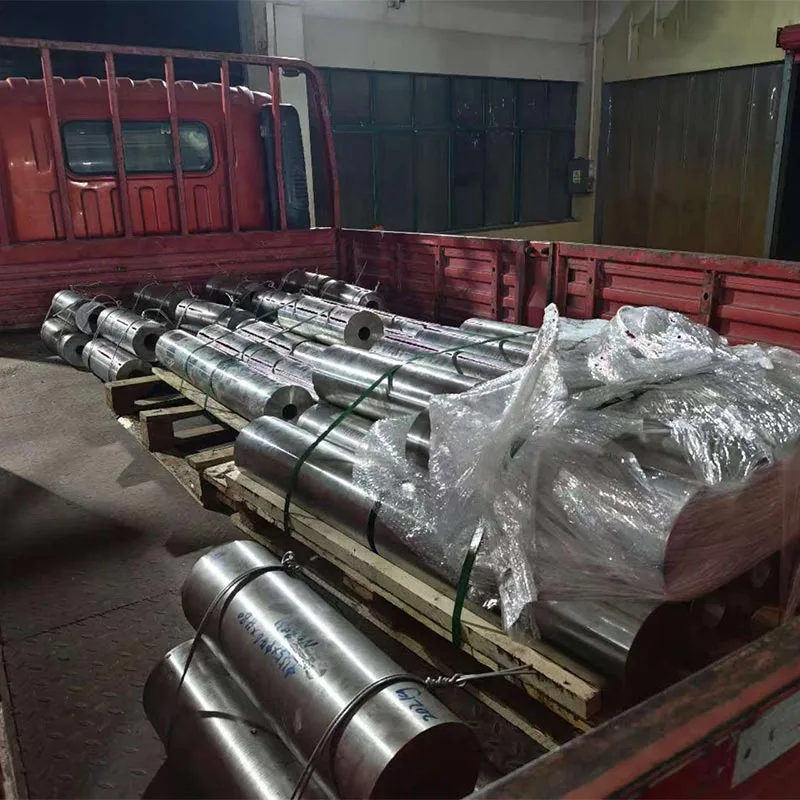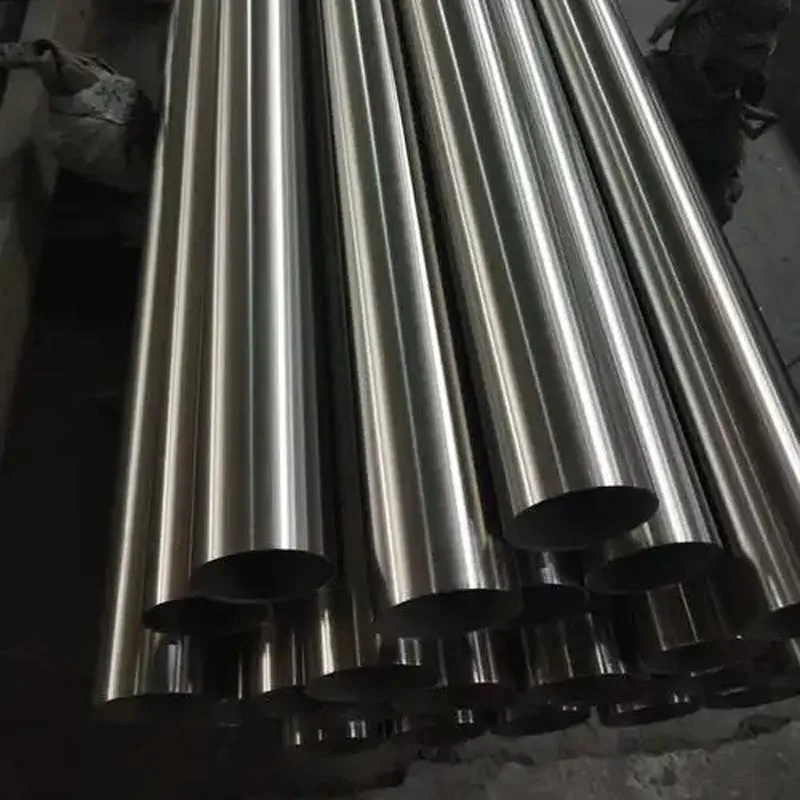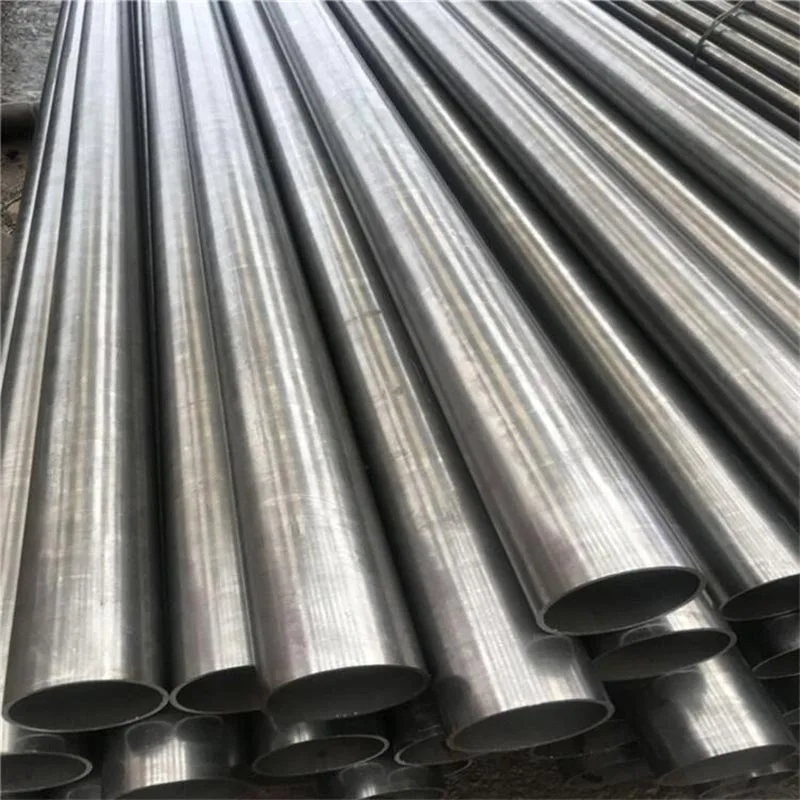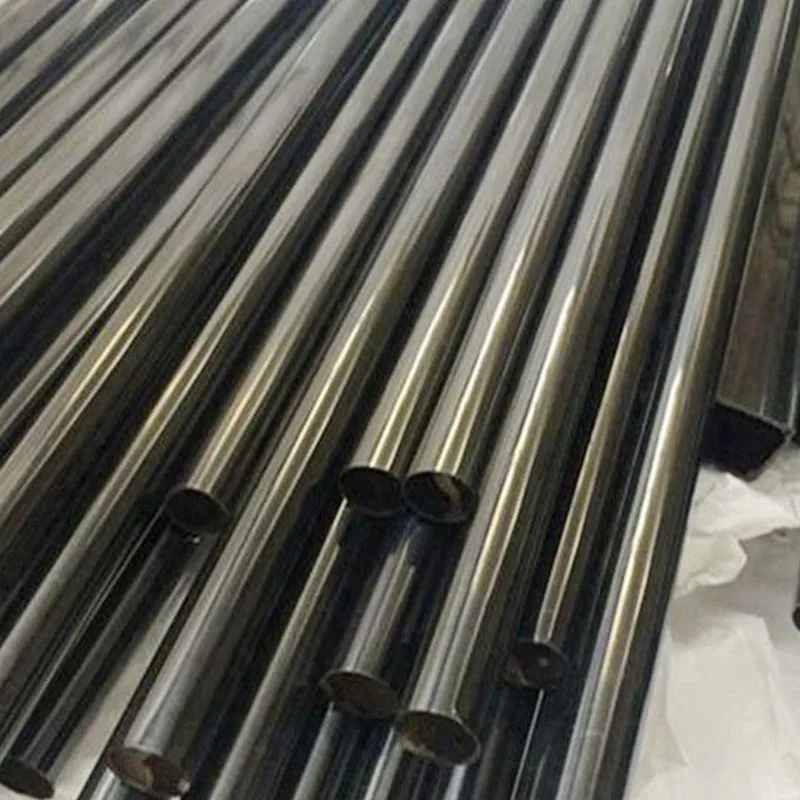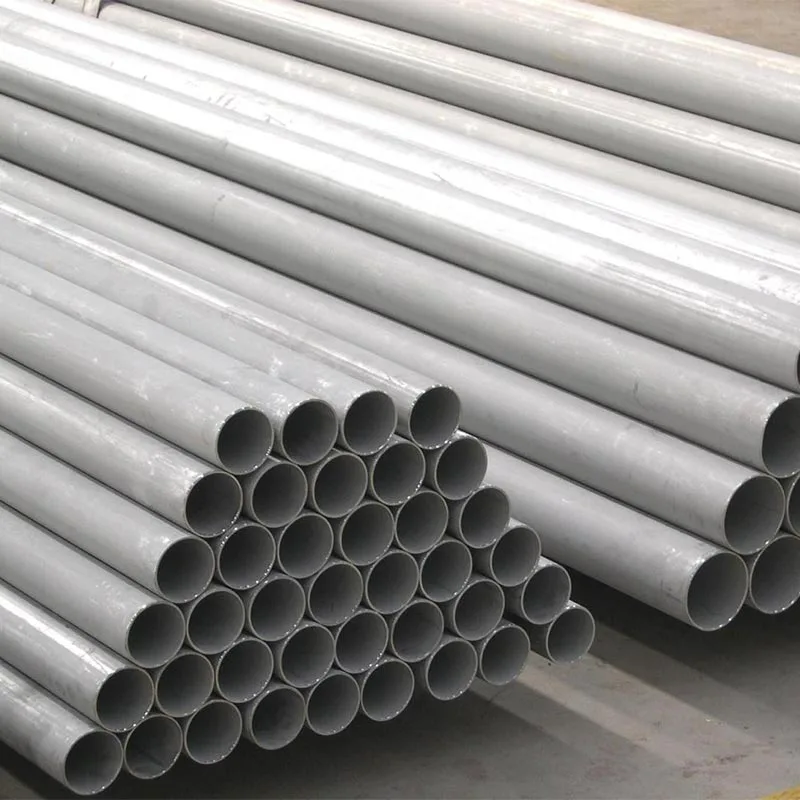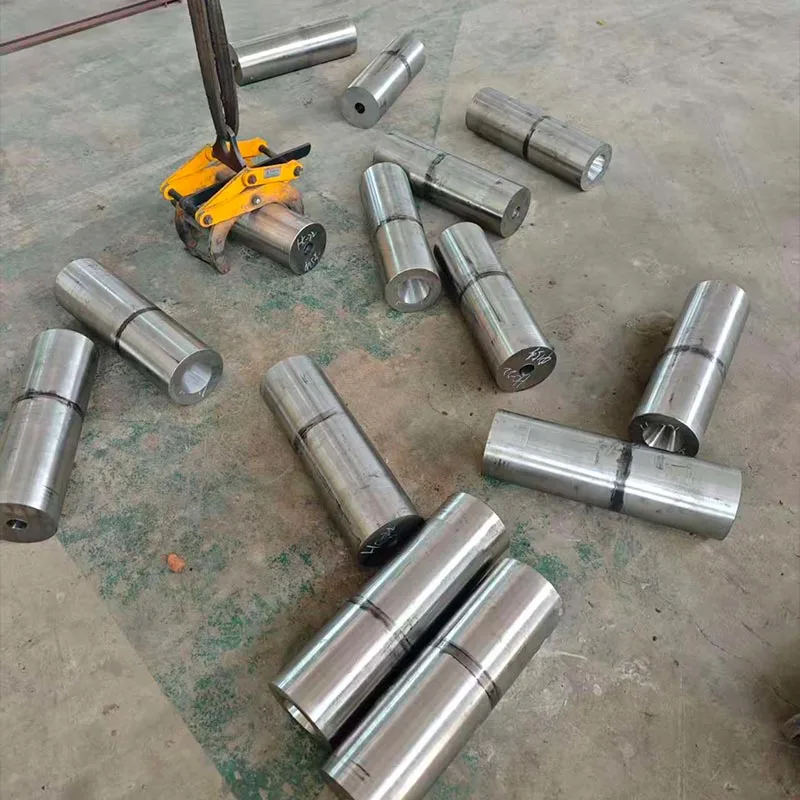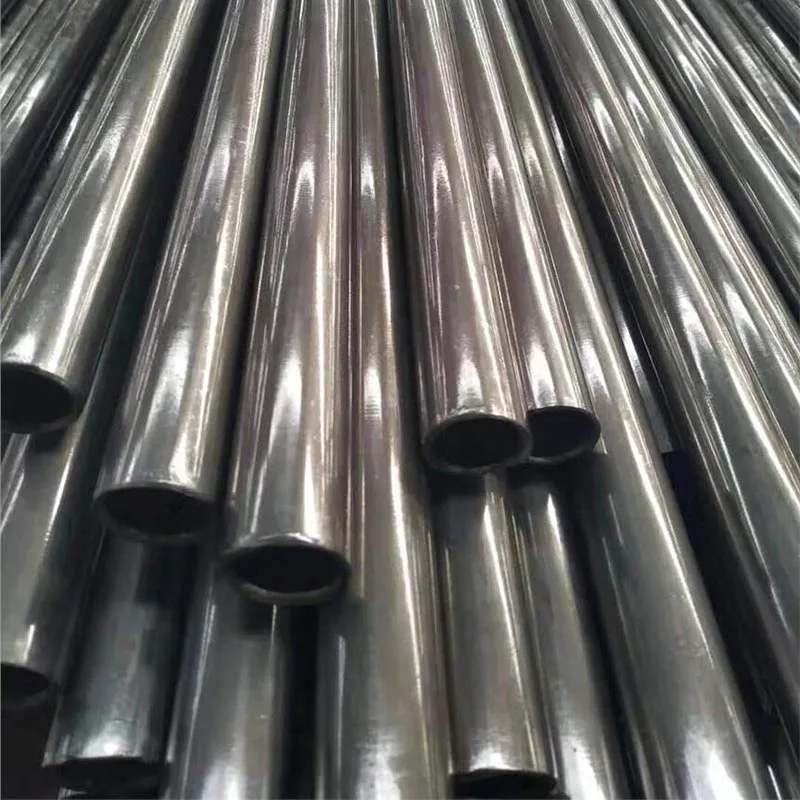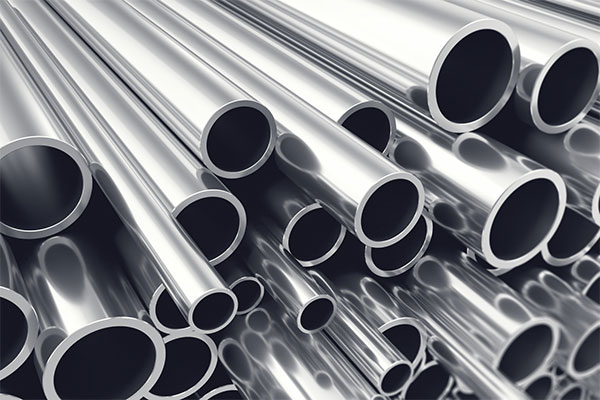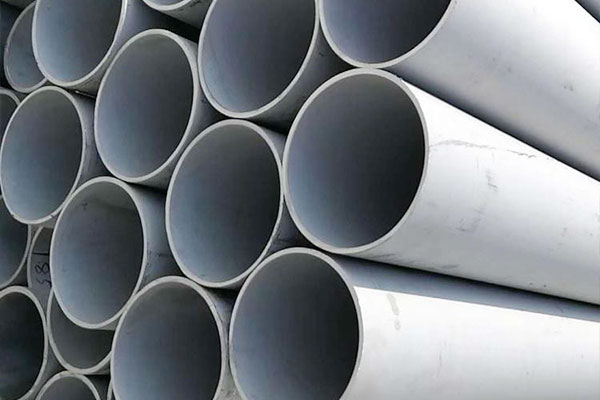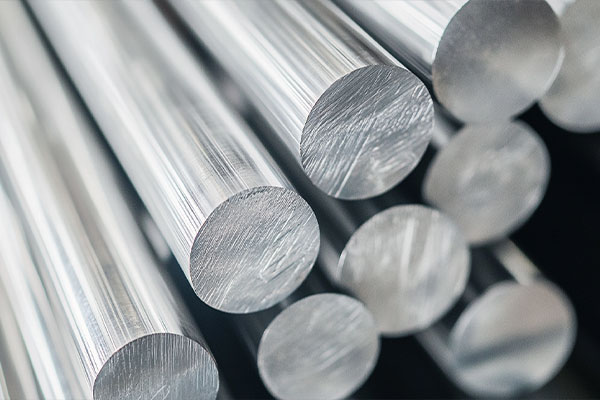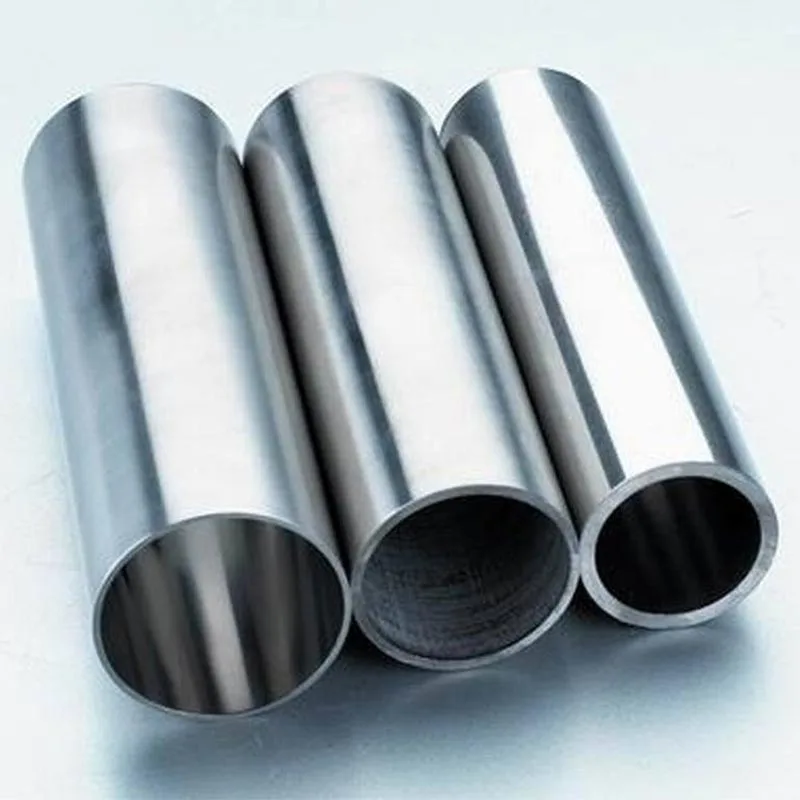

310S Stainless Steel Seamless Pipe is designed for industrial systems where elevated temperature, oxidation resistance, seamless construction, and material stability matter. Its 310S grade combines a high chromium and nickel content with a low-carbon composition, making it suitable for selected furnace, heat-treatment, petrochemical, combustion, and thermal-processing components. The key to correct selection is not temperature alone: service atmosphere, mechanical loading, thermal cycling, fabrication method, dimensions, and applicable specifications all need to be considered together.
- 1. What Is This Grade and Pipe Construction?
- 2. How Does the Material Composition Affect Performance?
- 3. What Happens in High-Temperature Service?
- 4. Why Does Seamless Construction Matter?
- 5. Where Is This Pipe Commonly Applied?
- 6. How Should Engineers Select the Right Specification?
- 7. What Should Be Considered During Fabrication?
- 8. Which Inspection and Documents Matter?
- 9. How Does It Compare With Other Stainless Grades?
- 10. Frequently Asked Questions
1. What Is This Grade and Pipe Construction?
310S is a low-carbon austenitic stainless steel developed for environments where heat resistance is a major material requirement. In commonly used designations, the grade is identified as UNS S31008 and EN 1.4845. Its chemistry is characterized by high chromium and nickel levels, while the carbon limit is controlled to a lower level than standard 310. That combination gives the grade a useful balance of oxidation resistance, elevated-temperature capability, and fabrication suitability.
The pipe construction is equally important. A seamless pipe is formed without a longitudinal welded joint. For demanding process equipment, that continuous tubular structure can be an important part of the design because the engineer is not selecting a product with a longitudinal weld seam running along the pressure or process boundary.
The product range commonly associated with this grade includes industrial tubular components for heat-treatment equipment, boilers, heat-recovery systems, petrochemical equipment, combustion systems, and other high-temperature assemblies. The correct design, however, depends on the complete operating environment rather than the grade name by itself.
Material Identity
UNS S31008 and EN 1.4845 are commonly used identifiers for the low-carbon 310 grade. Procurement documents should always match the designation required by the project specification.
Typical Construction
The pipe described here is produced through a hot-rolled seamless process, followed by dimensional control and surface or end processing according to the order requirement.
2. How Does the Material Composition Affect Performance?
The main reason engineers choose 310S for thermal service is its alloy chemistry. Chromium and nickel are present at levels substantially above those found in many general-purpose austenitic stainless steels. These alloying elements influence how the steel behaves when exposed to heat, oxygen, and thermal cycling.
Chromium supports oxidation resistance
Chromium promotes the formation of a protective chromium-rich oxide layer on the steel surface. In an oxidizing high-temperature environment, this protective behavior is central to the grade's resistance to scaling and surface degradation. It is one reason the material is considered for furnace components, combustion-related parts, and other equipment exposed to hot gases.
Nickel supports the austenitic structure
Nickel helps stabilize the austenitic structure and contributes to the grade's performance at elevated temperatures. The high nickel content also helps distinguish this alloy from more ordinary stainless grades intended primarily for general industrial corrosion resistance.
Low carbon changes fabrication behavior
The “S” designation is important because it indicates the lower-carbon version of the alloy. A maximum carbon content of 0.08% helps reduce chromium carbide precipitation compared with higher-carbon variants during welding and thermal exposure. That characteristic can be useful when components are welded, fabricated, or exposed to repeated heating.
- High chromium content supports resistance to oxidation and scaling in suitable high-temperature atmospheres.
- High nickel content contributes to the austenitic structure and elevated-temperature stability.
- Lower carbon content improves the grade's suitability for welded and thermally processed components.
- The resulting alloy is especially relevant where temperature resistance is more important than the broad-purpose positioning of grades such as 304.
These advantages should not be interpreted as universal resistance to every high-temperature environment. Sulfur-bearing gases, carburizing conditions, reducing atmospheres, molten materials, mechanical loads, and thermal gradients can alter material behavior. Good engineering therefore starts with identifying the actual atmosphere and temperature profile.
3. What Happens in High-Temperature Service?
High-temperature equipment rarely operates under a single constant condition. A pipe may be heated gradually, held at a target temperature, exposed to process gases, cooled, and reheated many times. The material response during this complete cycle matters more than a single temperature number.
Oxidation and scaling
In oxidizing atmospheres, the high chromium level helps the surface develop a protective oxide layer. This is one of the primary reasons the grade is used for furnace and heat-treatment components. As the temperature rises, oxidation becomes more significant, so material selection must account for the operating atmosphere and expected exposure duration rather than relying on a nominal temperature limit alone.
Thermal cycling
Repeated heating and cooling introduce thermal expansion and contraction. Differences in temperature between the inner and outer surfaces can also produce thermal gradients and localized stresses. For a pipe used as part of a furnace or thermal-processing assembly, the designer should consider wall thickness, restraint, heating rate, cooling rate, support arrangement, and connection design together.
Mechanical loading at temperature
Elevated temperature changes mechanical behavior. Strength, creep resistance, and long-duration deformation become increasingly important as service temperature rises. A pipe carrying internal pressure, process gases, or mechanical loads should therefore be evaluated using the design code and temperature-dependent material data required for the system.
| Performance Factor | Why It Matters | Engineering Question |
|---|---|---|
| Oxidation resistance | Helps control surface degradation in suitable oxidizing atmospheres. | What gases are present and how long will the surface be exposed? |
| Thermal cycling | Repeated temperature changes can create expansion, contraction, and stress. | How often will the equipment heat and cool? |
| High-temperature strength | Material strength changes as temperature increases. | What load, pressure, and temperature must the pipe withstand? |
| Fabrication condition | Welding and thermal processing can influence material condition. | Will the component be welded, bent, or machined after delivery? |
A useful engineering approach is to define the maximum operating temperature, normal operating range, atmosphere, pressure or mechanical load, thermal cycle, support configuration, and expected fabrication steps before confirming the grade and dimensions.
4. Why Does Seamless Construction Matter?
The principal difference between seamless and welded pipe is how the tubular section is formed. Seamless production creates the pipe without a longitudinal welded seam, while welded products rely on a formed strip or plate section that is joined along the seam.
This difference does not automatically make seamless pipe suitable for every application, but it can be valuable where continuous construction is preferred by the equipment designer. The choice may be driven by pressure requirements, geometry, process conditions, code requirements, or the need for a seamless tubular form.
Continuous tubular geometry
The absence of a longitudinal weld simplifies the product geometry for designs that specifically call for seamless construction. It also avoids the need to evaluate a longitudinal weld as part of the pipe's basic manufacturing route.
Suitable for selected high-temperature duties
Furnace tubes, thermocouple protection tubes, process tubes, and other tubular components can benefit from a seamless construction when the specification calls for it. The material and manufacturing process still need to comply with the relevant dimensional, heat-treatment, testing, and inspection requirements.
Dimensions remain critical
Seamless construction is only one part of the product. Outer diameter, wall thickness, length, end preparation, straightness, surface condition, and dimensional tolerance all influence whether the pipe can be installed into a real assembly.
- Confirm whether the design specifically requires seamless or allows welded construction.
- Confirm the required outer diameter and wall thickness before ordering.
- Check the end configuration required for welding, fittings, supports, or installation.
- Define the required surface condition when oxidation, cleanliness, or downstream fabrication is important.
5. Where Is This Pipe Commonly Applied?
The grade is particularly relevant to equipment exposed to elevated temperature and oxidizing atmospheres. Its applications are therefore closely connected with thermal processing, heat generation, combustion, and industrial systems where ordinary stainless steel grades may not provide the desired high-temperature capability.
Heat-Treatment Equipment
Radiant tubes, furnace rollers, retorts, and other tubular furnace components can require a heat-resistant austenitic stainless steel. The specific design must account for furnace atmosphere, temperature, support method, and thermal cycling.
Boilers and Heat-Recovery Systems
Selected superheater, reheater, and heat-recovery tube applications may call for materials capable of maintaining performance under elevated-temperature conditions.
Petrochemical Equipment
High-temperature sections of petrochemical processing equipment, including selected furnace and ethylene-related components, can use high-alloy stainless materials where thermal and oxidation performance are required.
Industrial Incineration
Burner nozzles, flame tubes, and other tubular parts exposed to hot combustion gases can require high-temperature oxidation resistance and suitable fabrication characteristics.
Temperature Measurement
Protective tubes and thermocouple sheaths may use this grade in hot environments such as metal or glass processing, subject to the actual process atmosphere and mechanical conditions.
Kilns and Furnace Systems
Ceramic kilns, heat-treatment baskets, furnace structures, and related thermal equipment can use the material for selected components exposed to heat and oxidizing conditions.
Application matching should come before ordering
The same grade can perform differently in two applications because the environment is different. A furnace tube exposed to clean oxidizing air is not equivalent to a tube exposed to process gases containing sulfur compounds, carbon-rich gases, or aggressive condensates during shutdown.
Engineers should therefore define the actual process before choosing wall thickness or placing an order. Important inputs include continuous and peak temperature, atmosphere composition, internal pressure, external loading, thermal cycling, connection design, and expected maintenance conditions.
6. How Should Engineers Select the Right Specification?
Selecting the correct product involves more than confirming the alloy number. A technically complete inquiry normally combines material grade, pipe construction, dimensions, length, surface condition, end preparation, inspection requirements, and the applicable specification.
Start with service conditions
Record the actual operating temperature rather than simply stating “high temperature.” A useful inquiry distinguishes normal operating temperature, maximum operating temperature, start-up temperature, shutdown temperature, and the frequency of thermal cycles.
Define the process atmosphere
Atmosphere is often overlooked. Oxygen-rich, neutral, reducing, carburizing, sulfur-bearing, and combustion environments can impose very different material demands. A grade that is appropriate in one atmosphere may not be the best choice in another.
Confirm the dimensions
The referenced product range covers outer diameters from 6 mm to 89 mm, wall thicknesses from 3 mm to 30 mm, and standard lengths from 3000 mm to 10000 mm. Cut-to-length supply can be arranged according to the order requirement.
| Specification Item | Information to Provide | Why It Is Important |
|---|---|---|
| Material designation | 310S, UNS S31008, or the designation required by the project | Ensures the material identity matches engineering documents. |
| Pipe construction | Seamless | Confirms the required manufacturing route and tubular structure. |
| Outer diameter | Required finished OD | Controls installation fit, flow area, and connection geometry. |
| Wall thickness | Required nominal or minimum thickness | Influences mechanical capacity, heat transfer, weight, and fabrication. |
| Length | Standard or cut length | Determines fabrication planning and installation arrangement. |
| Ends | Plain, beveled, or specified configuration | Allows the pipe to match the joining and installation method. |
| Surface | As-processed or specified finish | Important for fabrication, cleanliness, appearance, and service preparation. |
Do not use a temperature figure as the only decision
A material may be capable of resisting oxidation at a given temperature while still being unsuitable for a particular mechanical load or chemical atmosphere. Good selection therefore combines metallurgical performance with equipment design. The final choice should be checked against the applicable engineering code, product standard, and actual process conditions.
7. What Should Be Considered During Fabrication?
The delivered pipe is often only the starting point. Industrial projects may require cutting, beveling, welding, bending, fitting installation, surface cleaning, or assembly into larger furnace and process structures.
Cutting and length preparation
Cut-to-length preparation can reduce downstream fabrication work when the finished length is known. The final cutting tolerance should still be agreed with the project requirement so that the prepared section fits the assembly sequence.
Beveled ends
Beveled ends can support welding preparation when a butt-welded connection is part of the assembly. The bevel geometry should be defined before production because different fabrication procedures may require different end configurations.
Surface preparation
Pickling and passivation can be used to remove surface oxides and create a cleaner stainless steel surface. Whether these treatments are needed depends on the production route, fabrication sequence, appearance requirements, and service environment.
Welding considerations
Low carbon is one of the defining characteristics of 310S. During fabrication, welding procedure, filler selection, heat input, joint design, and post-weld treatment should be determined according to the applicable welding procedure and material specification rather than assumed from the alloy name.
- Confirm the required material and dimensions before cutting or forming.
- Verify the end preparation against the planned joining process.
- Protect the stainless surface from contamination during fabrication and handling.
- Use a qualified welding procedure when welded assembly is required.
- Inspect finished dimensions and surface condition before installation.
For high-temperature equipment, fabrication quality directly affects service behavior. Local damage, contamination, poor fit-up, inappropriate weld procedures, or incorrect wall thickness can create problems even when the base material itself is correctly specified.
8. Which Inspection and Documents Matter?
Traceability becomes especially important when stainless pipe is used in boilers, heat-treatment systems, petrochemical equipment, and other engineered installations. Documentation should allow the purchased material to be matched with the purchase specification and the final application.
Material documentation
Depending on the order and applicable specification, documentation may include a material test certificate such as EN 10204 3.1, chemical composition records, mechanical test results, certificate of origin, commercial invoice, and packing list.
Testing requirements
The applicable pipe specification determines which tests are mandatory and which are additional requirements. For austenitic stainless steel pipe covered by ASTM A312, for example, the specification addresses heat treatment, mechanical testing, nondestructive electric testing or hydrostatic testing, and other requirements. Purchasers should identify the governing specification instead of treating every inspection requirement as universal.
Inspection planning
A clear inspection plan should distinguish between manufacturer quality checks, required standard tests, customer-specified inspections, and optional third-party verification. This prevents uncertainty later in the purchasing process.
- Verify grade and heat identification against the material documentation.
- Confirm dimensions and wall thickness against the purchase specification.
- Check surface condition and end preparation before shipment.
- Confirm the required mechanical and nondestructive tests for the governing specification.
- Keep documentation traceable to the delivered pipe for installation and maintenance records.
9. How Does It Compare With Other Stainless Grades?
Material comparison is useful when the application could potentially be served by more than one stainless grade. The purpose is not to declare a single grade universally superior, but to identify which material characteristics align with the actual environment.
| Grade | Main Strength | Typical Selection Consideration | Key Question |
|---|---|---|---|
| 304 | General corrosion resistance and broad industrial use | Often selected for general-purpose stainless equipment | Is extreme thermal performance actually required? |
| 321 | Titanium-stabilized austenitic stainless steel | Useful where stabilization is an important design requirement | Does the application benefit from titanium stabilization? |
| 310S | High chromium and nickel with controlled low carbon | High-temperature and oxidation-resistant service | Does the application require a heat-resistant austenitic alloy? |
The comparison shows why grade selection should be tied to operating conditions. A general-purpose grade may be entirely appropriate for a moderate industrial environment, while a heat-resistant grade becomes more relevant as temperature and oxidation demands increase.
310S versus 310
The most direct comparison is between 310S and the standard 310 grade. The principal difference is carbon content. The lower carbon level of 310S helps reduce chromium carbide precipitation and can make the material more suitable for welded or thermally processed assemblies.
310S versus 304
304 is one of the most widely used general-purpose austenitic stainless steels. It is a strong option for many corrosive and industrial environments, but applications dominated by elevated temperature and oxidation resistance may call for a higher-alloy heat-resistant grade.
310S versus 321
321 uses titanium stabilization and is often selected when that stabilization mechanism is an important part of the design. 310S instead relies on its high chromium and nickel chemistry and controlled carbon level for its high-temperature role. The service atmosphere and temperature range should determine the final choice.
10. Frequently Asked Questions
What is the material designation?
The grade is commonly identified as UNS S31008 and EN 1.4845. Project documentation should use the designation required by the applicable material and pipe specification.
What makes this grade suitable for high-temperature service?
Its high chromium and nickel content supports oxidation resistance and elevated-temperature performance in suitable environments. The low-carbon composition also improves its suitability for welded and thermally processed components.
Is the pipe actually seamless?
Yes. The specified manufacturing route is hot-rolled seamless production, which forms the tubular section without a longitudinal welded seam.
What dimensions are available?
The referenced range covers outer diameters from 6 mm to 89 mm, wall thicknesses from 3 mm to 30 mm, and standard lengths from 3000 mm to 10000 mm. Cut-to-length requirements can be discussed for specific projects.
Can the ends be beveled?
Yes. Beveled ends can be prepared according to the required fabrication or installation configuration. The end geometry should be confirmed before production.
Can surface treatment be specified?
Yes. Depending on the project, straightening, pickling, passivation, and specified surface finishing can be coordinated. The required surface condition should be defined in the order.
Is it suitable for every high-temperature environment?
No material should be selected from temperature alone. Atmosphere composition, mechanical loading, thermal cycling, pressure, fabrication conditions, and applicable design rules also need to be evaluated.
What information should be included in a technical inquiry?
A useful inquiry should include material designation, pipe construction, outer diameter, wall thickness, length, end preparation, surface condition, applicable specification, operating temperature, process atmosphere, quantity, and inspection or documentation requirements.
Can inspection documentation be provided?
Documentation can be arranged according to the product specification and order requirements. Depending on the agreed scope, this may include material test documentation, chemical composition records, mechanical test results, origin documentation, and commercial shipping documents.
How should the final grade be confirmed?
The final selection should be checked against the equipment design, service environment, relevant standard, required dimensions, joining method, and applicable engineering code. Material confirmation should be completed before production.
For industrial projects, the most reliable specification starts with the operating environment and then works backward to material grade, pipe construction, dimensions, fabrication, inspection, and documentation. This approach helps ensure that the selected stainless steel pipe fits the actual equipment rather than relying on a material name alone.
Need a 310S Seamless Pipe Specification for Your Project?
Share the required material designation, outer diameter, wall thickness, length, end configuration, surface condition, service temperature, and application details. Contact us for a technical discussion and project-specific quotation.