Products
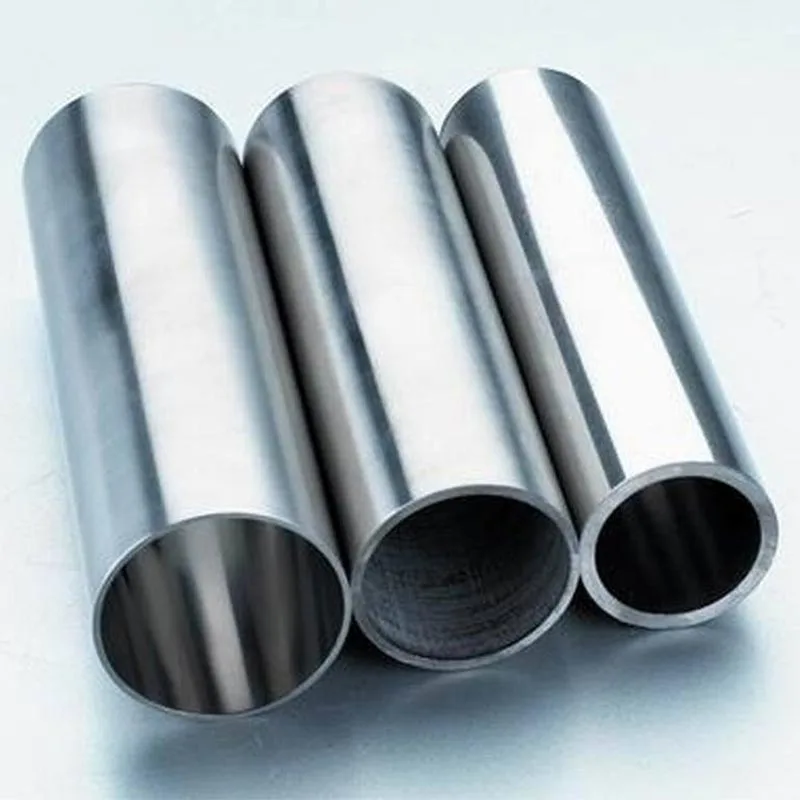
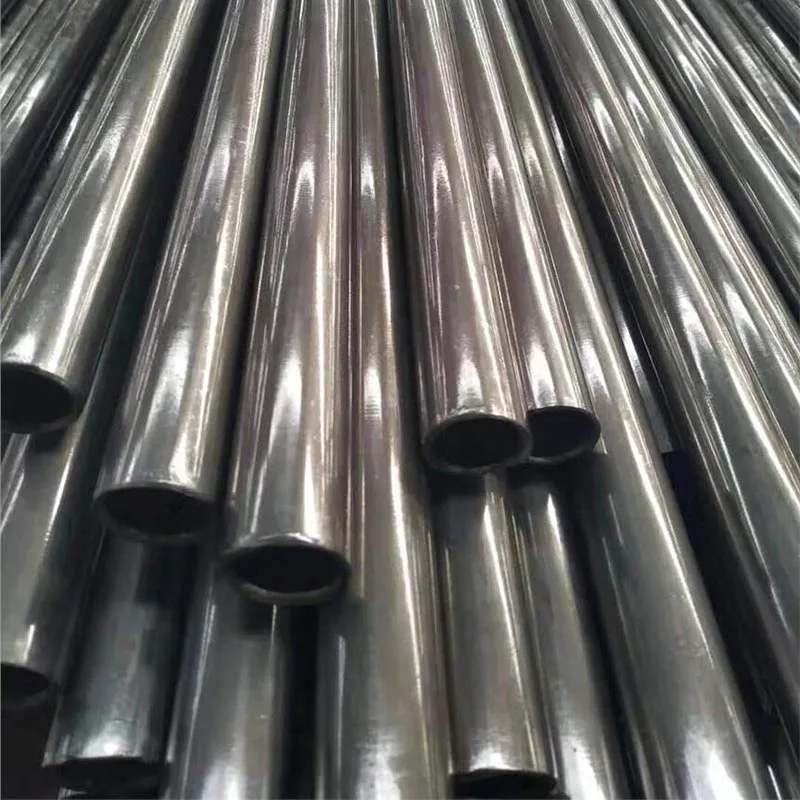
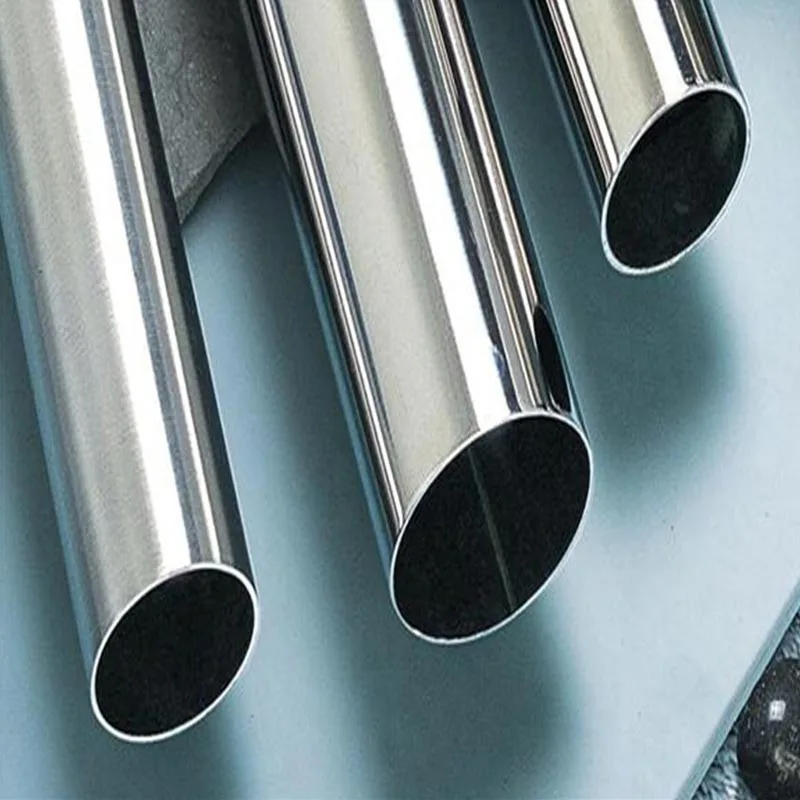
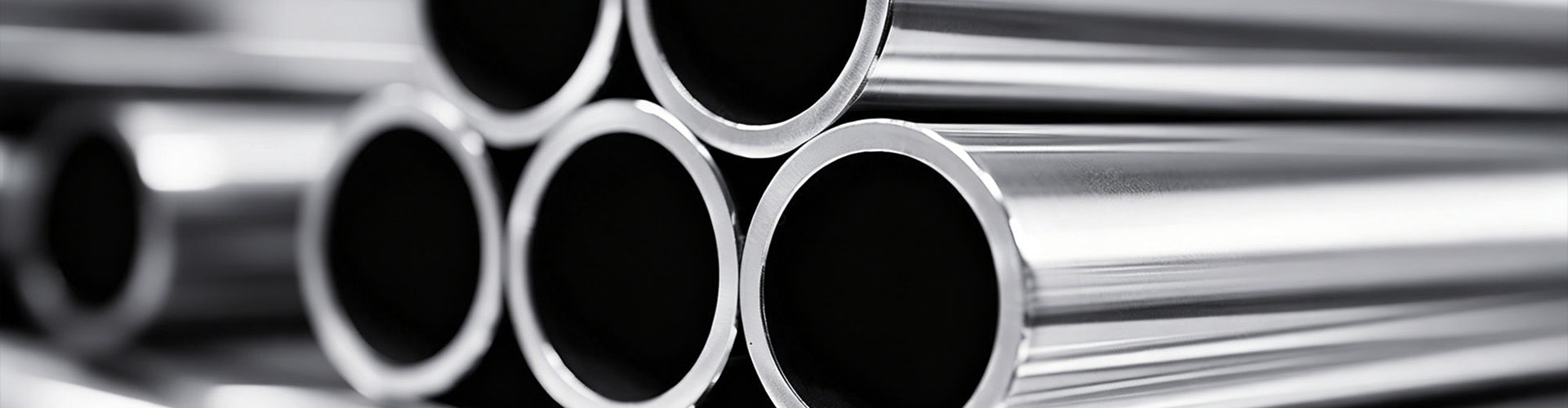
Buy Customized Hot Finished Nickel Based Alloy Seamless Pipe in China
Why Nickel Alloys Require Hot Extrusion
Nickel-based alloys share a metallurgical trait that makes them fundamentally different from stainless steel: they resist deformation at elevated temperatures. A 304 billet extrudes readily at 1150 C. A C276 billet at the same temperature behaves like it is still half-frozen. Push it through a die and the surface tears. Drop the temperature to reduce flow resistance and the billet cracks from thermal shock before it clears the mandrel. This narrow forgeable window is why many manufacturers refuse to hot-extrude nickel alloys at all - they weld strip instead, accept the seam, and let the buyer deal with the consequences.
JILAIDA, a leading China manufacturer, took the opposite approach. We invested in induction heating systems that hold the billet temperature within plus or minus 15 degrees across its entire length, and we run the extrusion press at speeds calibrated to each alloy's flow stress curve. The result is a Hot Finished Nickel Based Alloy Seamless Pipe with no weld seam, no heat-affected zone, and a grain structure that is uniform from bore to outer surface. Yield exceeds 95 percent. Material loss stays below 5 percent. Those numbers matter because nickel alloy feedstock is expensive - every kilogram wasted is a cost the buyer eventually absorbs.
Alloy Families and Where They Belong
The term "nickel-based alloy" covers a wide compositional range. The table below groups the grades we produce regularly, organized by the service environment they were engineered to survive. This is not an exhaustive list - we also handle custom melts and proprietary specifications - but it covers the alloys that move through our facility most frequently.
| Alloy (UNS) | Nominal Chemistry | Built For | Service Limit |
|---|---|---|---|
| C276 (N10276) | 57Ni - 16Cr - 16Mo - 4W - 5Fe | Reducing acids, wet chlorine, sour gas | 1100 C intermittent |
| N06625 | 62Ni - 22Cr - 9Mo - 3.5Nb | Oxidizing acids, seawater, high-temp | 815 C continuous |
| Inconel 718 (N07718) | 53Ni - 19Cr - 3Mo - 5Nb - 1Ti - 0.6Al | Precipitation-hardened; cryogenic to 700 C | 700 C continuous |
| N08031 | 31Ni - 27Cr - 6.5Mo - 1.4Cu | Mixed acid + chloride media | 340 C |
| HC-22 (N06022) | 56Ni - 22Cr - 13Mo - 3W | Superior to C276 in oxidizing acid blends | 1100 C intermittent |
| GH4169 | Chinese equivalent of Inconel 718 | Aerospace, gas turbine, cryogenic pressure | 650 C continuous |
A buyer selecting a Hot Finished Nickel Based Alloy Seamless Pipe is rarely choosing between grades within the same family. They are choosing between families, because each family solves a different corrosion or mechanical problem. C276 and HC-22 both resist acid - but HC-22 handles oxidizing acid blends that would break down C276's passive film. N06625 and Inconel 718 both serve high-temperature duty - but 718 is precipitation-hardened and carries 1050 MPa yield, while 625 stays in the solution-annealed state at 415 MPa. The selection is engineering-driven, and we support it with full chemistry and mechanical data on every heat lot.
What a Complete RFQ Looks Like
The most common reason for a delayed quotation is missing information. A nickel-based alloy RFQ that says "C276 pipe, 50mm OD, 5mm wall, send price" is not enough to quote against. Here is what we need to return a factory-direct price within 24 hours:
Required RFQ Information
- Material specification. Grade or UNS number. If you are working to a national standard (GB, GOST, EN, JIS), include the standard number so we can cross-reference. For C276, specify whether you need solution-annealed condition or as-extruded.
- Dimensions. Outside diameter, wall thickness, and length. State whether length is random, fixed, or a range. For non-standard OD or wall combinations, we will confirm tooling availability before quoting.
- Quantity. Total weight or total meters. If the order is a qualification batch for a larger contract, say so - we can structure the first article as a 20 to 50 meter trial run.
- Documentation level. EN 10204 3.1 is standard. If you need 3.2 with third-party witness (SGS, BV, or TUV), tell us in the RFQ. If your project requires supplementary testing - PMI, ultrasonic per ASTM E213, intergranular corrosion per ASTM G28, or hydrostatic test at 1.5x design pressure - list each test separately.
- Delivery terms and port. FOB Shanghai, CIF to your destination port, or DDP to your warehouse. For DDP we need the full delivery address to calculate inland transport.
- End use. This is optional but helpful. Knowing whether the pipe goes into a chlor-alkali heat exchanger, a refinery sour-gas line, or a nuclear coolant loop tells us whether to recommend pickled-and-passivated surface finish or bright-annealed, and whether to flag any mill test values that fall close to spec minimums.
Production Specifics That Affect Cost and Lead Time
Hot extrusion of nickel-based alloys is not the same process as extruding stainless steel. The differences show up in three areas that directly affect what the buyer pays and how long they wait.
Billet Preparation
Nickel alloy billets are not always available from stock in the exact size needed for a given die. We may need to cut from a larger forged bar, which adds a machining step. For rare grades like HC-22, billet lead time can extend the overall schedule by 2 to 3 weeks. Standard grades (C276, N06625) are typically in stock.
Press Parameters
Each alloy has its own flow stress curve. The press speed, billet temperature, and die preheat must be set to match. A C276 billet runs hotter and slower than a 304 billet at the same diameter. This means fewer meters per hour, which is reflected in the per-meter price. It also means we schedule nickel alloy runs in dedicated campaigns to avoid contamination between grades.
Post-Extrusion Processing
As Hot Finished Nickel Based Alloy Seamless Pipe has a mill scale that must be removed for most service applications. Pickling in a mixed HF/HNO3 bath is standard. Bright annealing in a hydrogen atmosphere is available for clean-service applications. The buyer who specifies bright-annealed internal surface should expect a longer lead time and higher cost, but the result is a bore with Ra below 0.8 micrometers - suitable for pharmaceutical and semiconductor-grade piping.
Dimensions and Tolerances
The extrusion press at JILAIDA produces nickel-based alloy seamless hot extruded pipe in the following standard ranges:
| Parameter | Finished Pipe | Semi-finished (Rough) Tube |
|---|---|---|
| Outside Diameter | 6 - 89 mm | Up to 89 mm |
| Wall Thickness | 3 - 9 mm | 9 mm and above |
| Length | 3000 - 10000 mm | 3000 - 3500 mm |
| OD Tolerance | Plus or minus 0.5 mm | Plus or minus 1.0 mm |
| WT Tolerance | Plus or minus 10 percent | Plus or minus 15 percent |
| Surface | Pickled, polished, or bright-annealed | As-extruded (mill scale) |
| End Preparation | Plain, beveled, or flanged | Plain cut |
Semi-finished rough tube is intended for buyers who operate their own cold pilgering or drawing equipment. The heavier wall (9 mm and above) provides stock for reduction to finished dimensions. This is a common arrangement for buyers in India and Southeast Asia who want to control the final cold-work step in-house while sourcing the hot-extruded hollow from a China manufacturer.
- View as
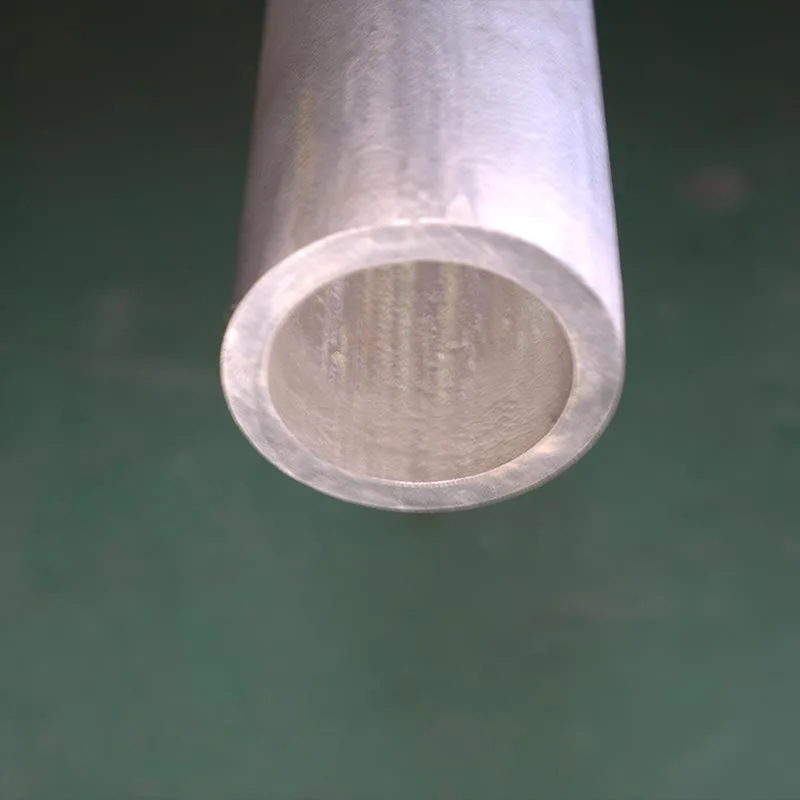
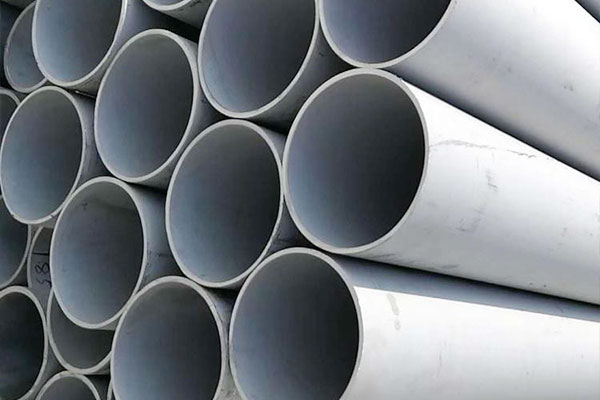
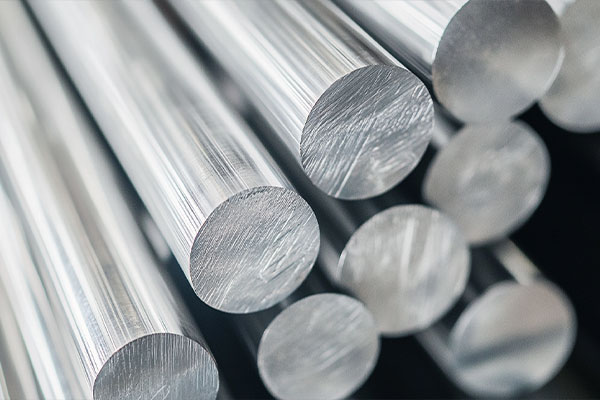
Semi-finished Nickel Alloy Seamless Tube
Semi-finished Nickel Alloy Seamless Tube manufactured from JILAIDA is a hot-extruded tubular blank designed for manufacturers that need a controlled starting geometry for turning, boring, drilling, sizing, and other downstream machining. Compared with solid bar, the hollow structure can reduce unnecessary material removal for tubular components, while customizable OD, wall thickness, machining allowance and alloy grade allow the blank to match different production requirements.
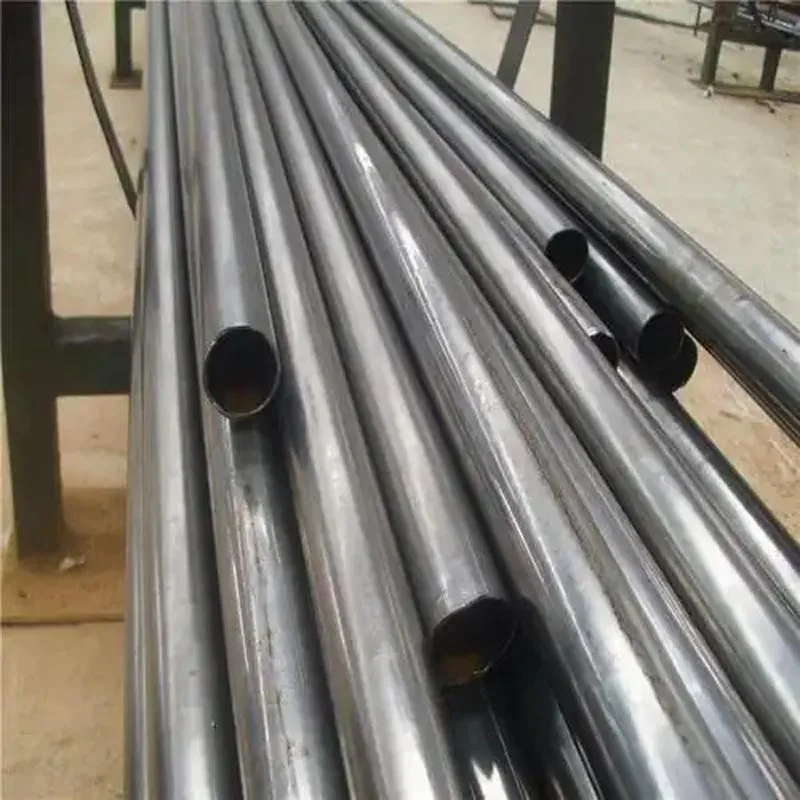
Inconel 718 Nickel Based Alloy Pipe
When procurement engineers search for a qualified China manufacturer of Inconel 718 nickel based alloy pipe, Jiangsu Ji Lai Da Nickel-Based Alloy Co., Ltd. (Ji lai da) delivers factory-direct, fully traceable solutions engineered for the most demanding high-temperature and high-pressure environments. Unlike conventional 304 or 316 stainless steel pipes — which lose strength rapidly above 500 °C — Inconel 718 retains exceptional mechanical properties up to approximately 700 °C thanks to its unique precipitation-hardening metallurgy. As an integrated China manufacturer with in-house hot extrusion capability, Ji lai da ensures every Inconel 718 nickel based alloy pipe meets aerospace, oil & gas, and power generation specifications with full MTC documentation. Send your RFQ today for competitive ex-works, FOB, CIF, or DDP quotations.
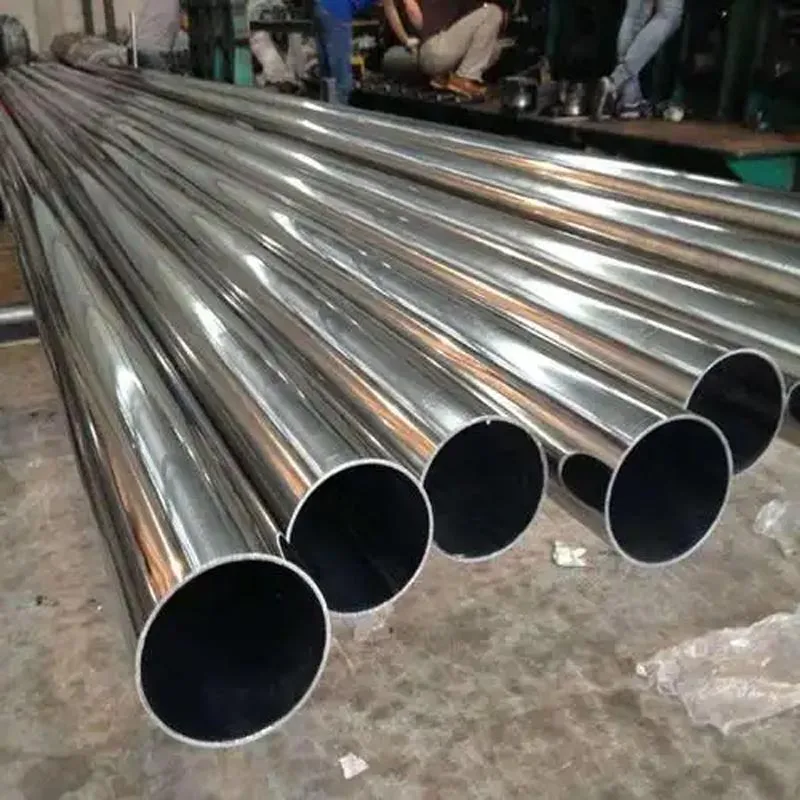
GH4169 Seamless Pipe
GH4169 seamless pipe, classified under GB/T 14992 and equivalent to Inconel 718 (UNS N07718 / W.Nr. 2.4668), is a precipitation-hardenable nickel-iron-chromium superalloy tube designed for extreme temperature and high-stress environments.
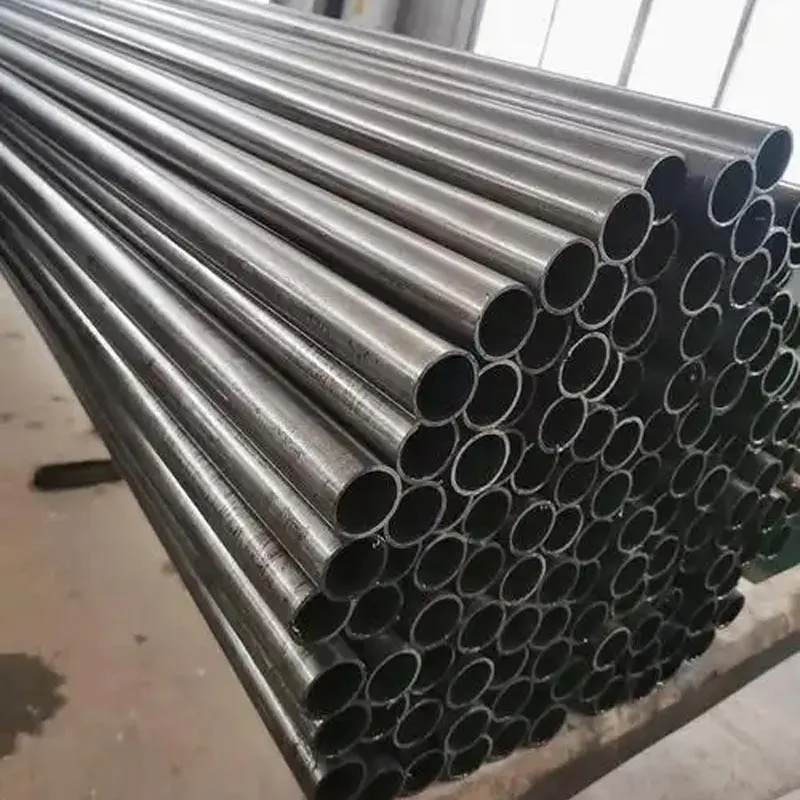
NS3304 Seamless Pipe
NS3304 seamless pipe is a high-performance nickel-based alloy tube manufactured according to GB/T 15007, equivalent to UNS N10276, W.Nr. 2.4819, and Hastelloy C-276. Produced through hot extrusion, the pipe features a fully seamless structure without longitudinal weld seams or heat-affected zones, providing consistent corrosion resistance and mechanical properties throughout the entire tube wall.
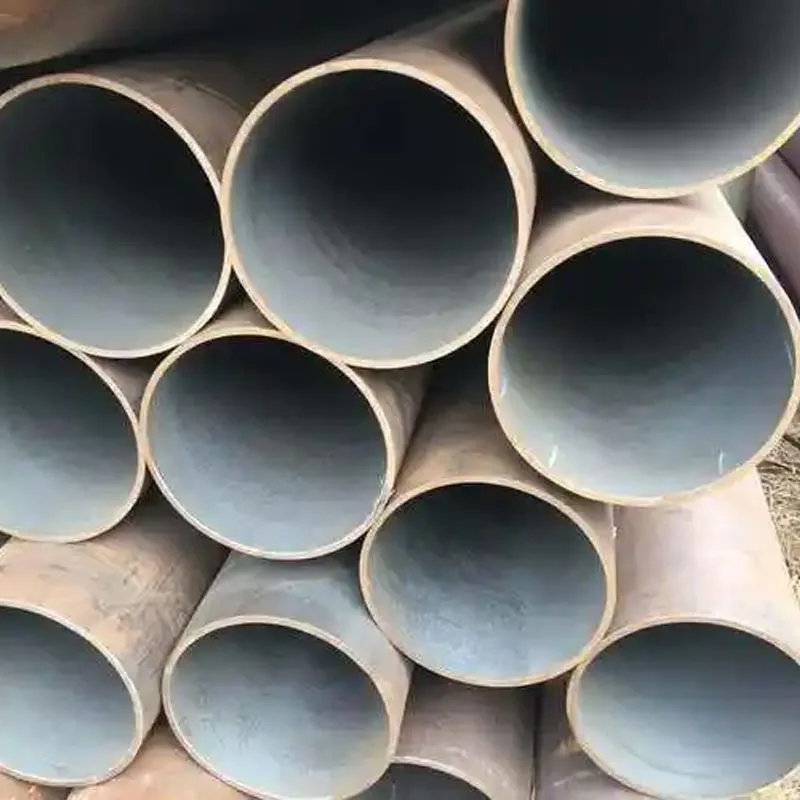
N08031 Nickel Based Alloy Seamless Pipe
For buyers who find 316 stainless steel inadequate and Inconel 718 over-specified, Jiangsu Ji Lai Da Nickel-Based Alloy Co., Ltd. (Ji lai da) introduces the N08031 nickel based alloy seamless pipe — a super-austenitic, solid-solution alloy engineered for the most aggressive mixed-acid and halide environments. Where Inconel 718 excels through precipitation hardening for high-temperature strength, and C276 dominates in reducing-acid service, N08031 (Alloy 31) occupies a unique niche: its balanced 31% Ni / 27% Cr / 6.5% Mo / 1.2% Cu / 0.2% N composition delivers simultaneous resistance to oxidizing and reducing media that defeats both 316 and 904L — and in many sulfuric and phosphoric acid concentrations, even outperforms Inconel 625. As a direct China manufacturer with in-house hot extrusion, Ji lai da offers factory-direct N08031 nickel based alloy seamless pipe with full traceability and competitive pricing. Submit your RFQ for FOB, CIF, or DDP delivery today.
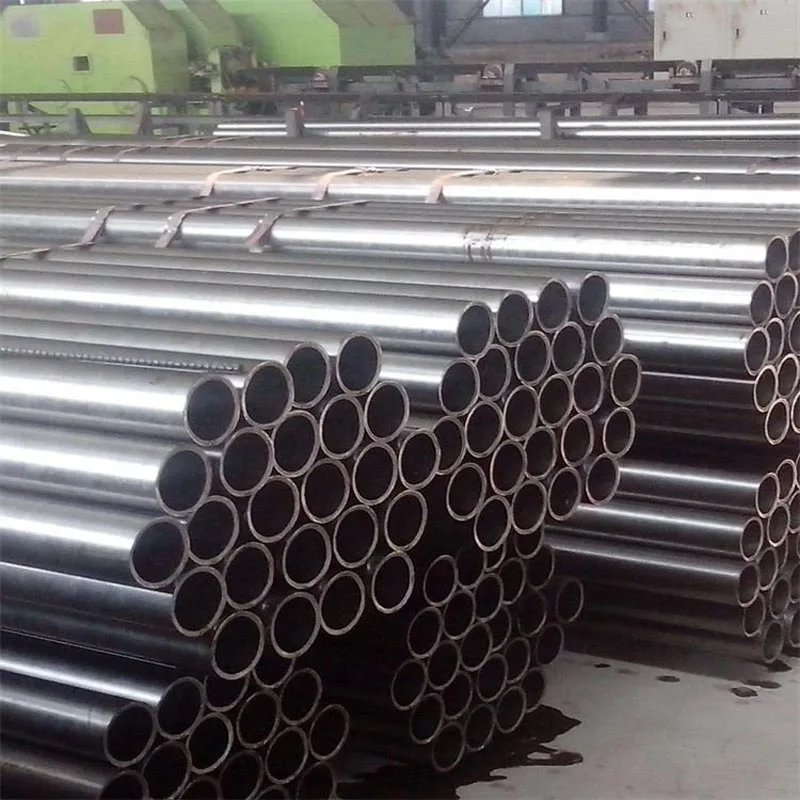
Hastelloy C276 Nickel Based Alloy Extruded Seamless Pipe
Hastelloy C276 nickel based alloy extruded seamless pipe is the flagship product of Jiangsu Ji Lai Da Nickel-Based Alloy Co., Ltd. (Ji lai da) — and for good reason. As the most widely specified nickel alloy in defense, chemical weapons demilitarization, and ultra-aggressive industrial service worldwide, C276 represents both the technical foundation and the commercial core of our business. Every Ji lai da C276 pipe is manufactured through hot extrusion at our own facility in China, achieving ≥ 95% material yield and < 5% loss, with bright internal and external surfaces straight from the extrusion press. Whether you are a defense procurement officer, an EPC contractor for chemical weapons destruction, or a mill-run quality buyer for petrochemical plant construction, Ji lai da delivers factory-direct Hastelloy C276 nickel based alloy extruded seamless pipe with full EN 10204 3.1 certification and FOB / CIF / DDP logistics. This is not a sideline product — this is what we do best.
Industries and Procurement Patterns
The buyers of Hot Finished Nickel Based Alloy Seamless Pipe fall into patterns that tell us more about the product than any list of applications.
Chemical Processing EPCs
These buyers send detailed RFQs with P&ID references and spec sheet attachments. They need MTC per EN 10204 3.1 minimum, often 3.2 with SGS witness. Lead time tolerance is tight because the pipe is on a project critical path. C276 and N08031 dominate.
Oil and Gas Operators
Sour service lines require NACE MR0175 compliance. The RFQ specifies H2S partial pressure and CO2 content. C276 is the default choice; N06625 appears in high-temperature wellhead piping. These buyers are concentrated in the Middle East - UAE, Saudi Arabia, Qatar - and typically request CIF delivery.
Aerospace and Defense Contractors
Inconel 718 and GH4169 for hydraulic lines, propulsion components, and pressure vessels. The procurement cycle is long: first-article qualification, supplementary testing, and lot traceability are mandatory. TUV or Lloyd's witness is common. These buyers value documentation over price.
Pharmaceutical and Semiconductor
Clean-service piping in C276 or N06625 with bright-annealed internal surfaces. Low volume but high margin. The buyer is a cleanroom contractor, not a corrosion engineer, and they need the tube to arrive with protective end caps and a certificate of cleanliness.
Research and Development
Universities and national labs ordering small quantities of unusual grades for test loops and prototype reactors. These buyers need flexibility on minimum order quantity, not the lowest price. We accommodate R&D orders because they often precede larger production contracts.
Quality System and Documentation
JILAIDA operates under ISO 9001 with four additional industry certifications. Every shipment of Hot Finished Nickel Based Alloy Seamless Pipe carries the following documentation package:
- Material Test Certificate per EN 10204 (3.1 standard, 3.2 on request)
- Chemistry analysis report (full elemental scan, traceable to heat number)
- Mechanical test report (tensile, yield, elongation, hardness)
- Dimensional inspection report (OD, WT, length, straightness)
- Visual surface inspection record
- Positive material identification (PMI) report if requested in the RFQ
- Supplementary test reports (ASTM G28, ASTM E213, hydrostatic) if specified
Each document carries the heat number that matches the stamp on the pipe. Third-party inspection by SGS, BV, or TUV can be arranged at our facility before loading. The complete document set ships in a waterproof sleeve attached to the outside of the wooden case.
Packing and Shipping
Pipe is packed in wooden crates with steel strapping. Each bundle is tagged with heat number, grade, size, quantity, and MTC reference number. End caps protect the bore during transit. Desiccant packs are included for bright-annealed shipments. We ship FOB from Shanghai, Ningbo, or Lianyungang. CIF and DDP are available - for DDP we coordinate inland transport to your warehouse and handle customs clearance. China manufacturer direct shipping typically reaches Middle East ports in 18 to 25 days, Indian ports in 12 to 18 days, and Southeast Asian ports in 7 to 14 days.
FAQ
Can you produce Hot Finished Nickel Based Alloy Seamless Pipe in grades not listed in the table?
Yes. The table covers our regular production grades. We have also produced N08825, N06030, GH4169, and Russian-standard grades like 03X20H25. Send your grade specification in the RFQ and we will confirm whether current tooling can handle it or whether new die fabrication is needed.
What is the minimum order quantity for nickel alloy pipe?
Standard grades (C276, N06625): 200 kg. High-performance grades (Inconel 718, HC-22): 100 kg. Sample lengths of 300 to 500 mm can be arranged for material qualification at reduced cost. R&D orders below minimum quantity are handled case by case.
How long does production take?
Standard sizes in C276 or N06625: 3 to 4 weeks from RFQ confirmation. Non-standard dimensions or rare grades: 5 to 8 weeks depending on billet availability and tooling. Qualification batches add 1 to 2 weeks for supplementary testing.
What is the price difference between C276 seamless extruded pipe and welded C276 pipe?
Typically 20 to 35 percent higher for seamless, depending on diameter and wall thickness. The premium reflects higher production cost (slower press speeds, tighter temperature control, higher reject rate risk) and is justified in any service where the weld seam would become a corrosion initiation point. For non-critical applications, welded C276 may be acceptable - we will advise honestly if your service conditions do not require seamless.
How do I start the ordering process?
Send an RFQ to JILAIDA with the six items listed in the "What a Complete RFQ Looks Like" section above. We respond within 24 hours with factory-direct pricing, lead time, and shipping estimate.