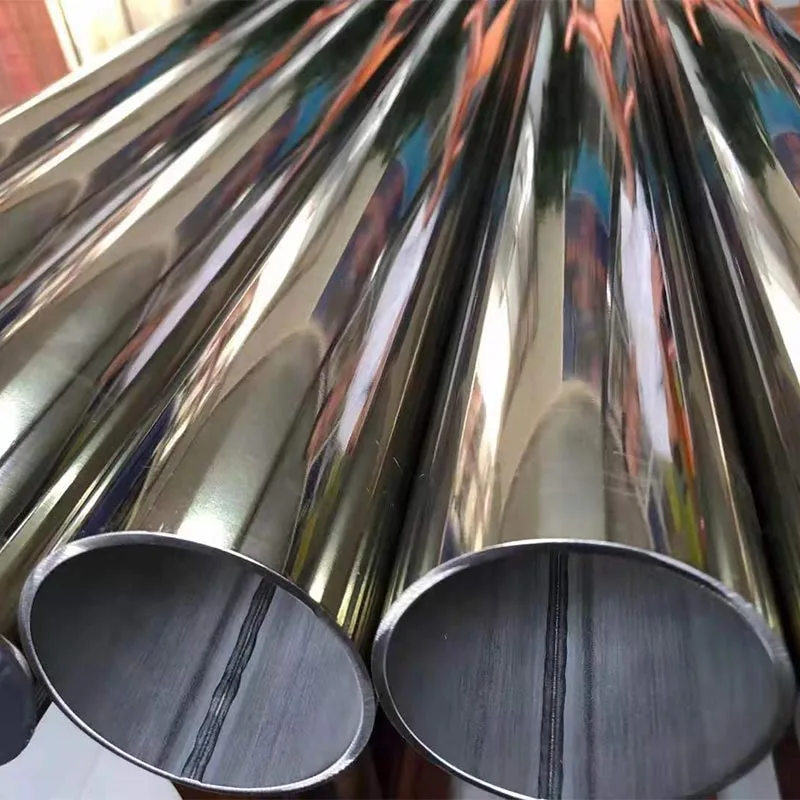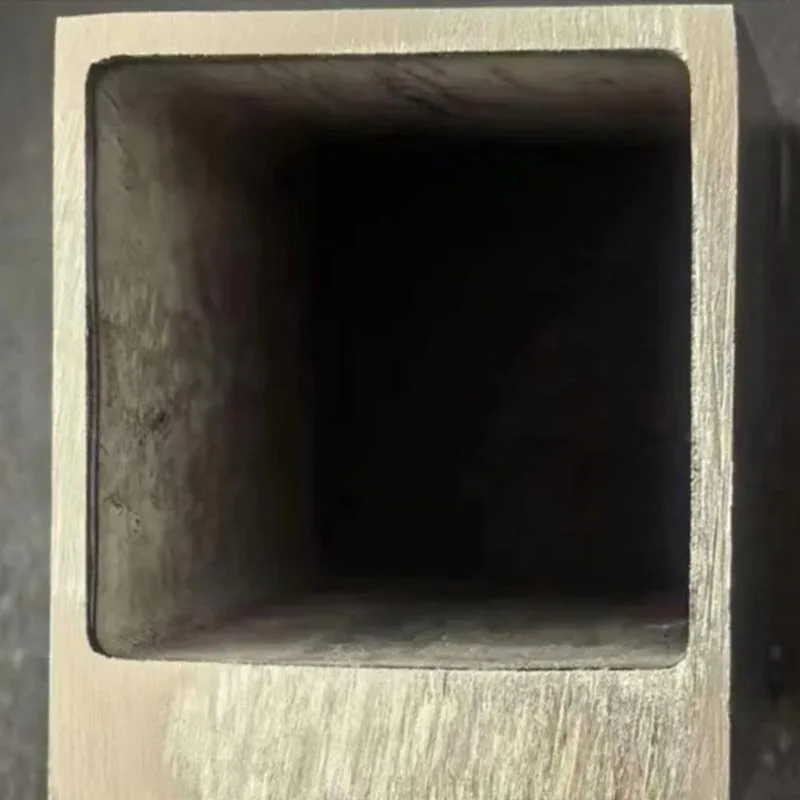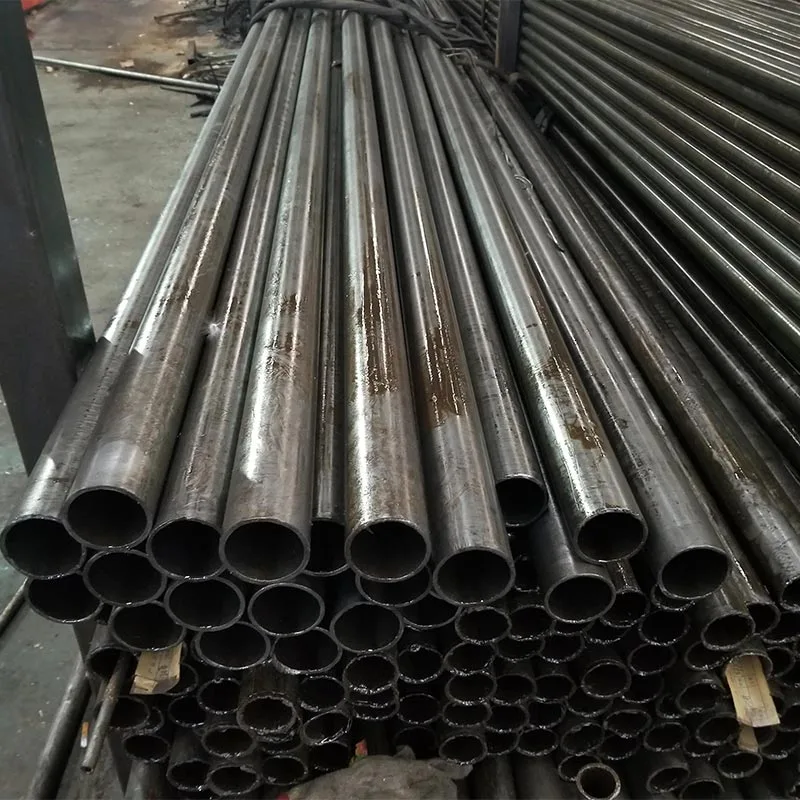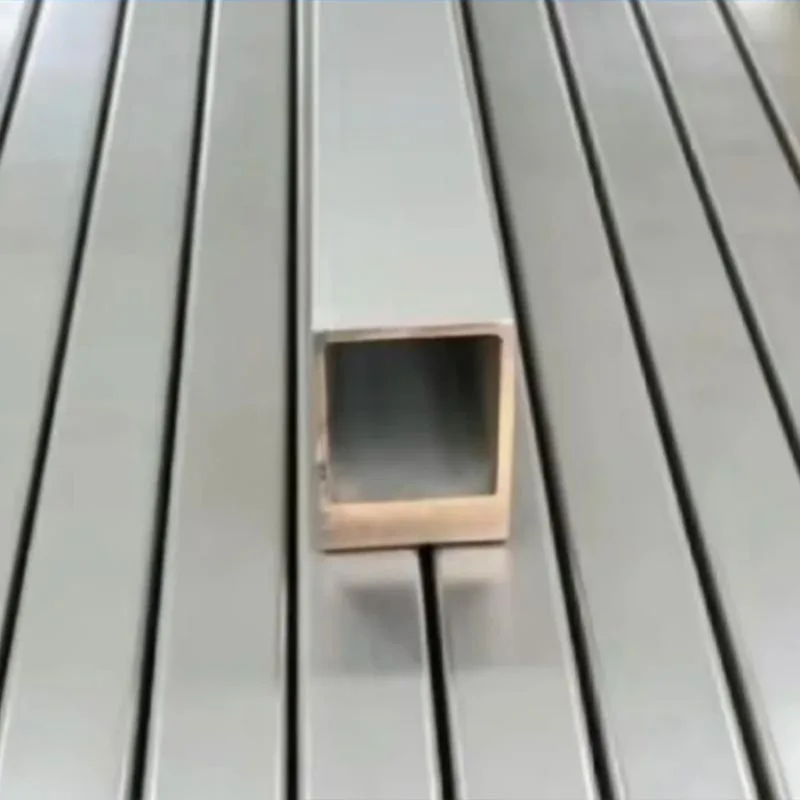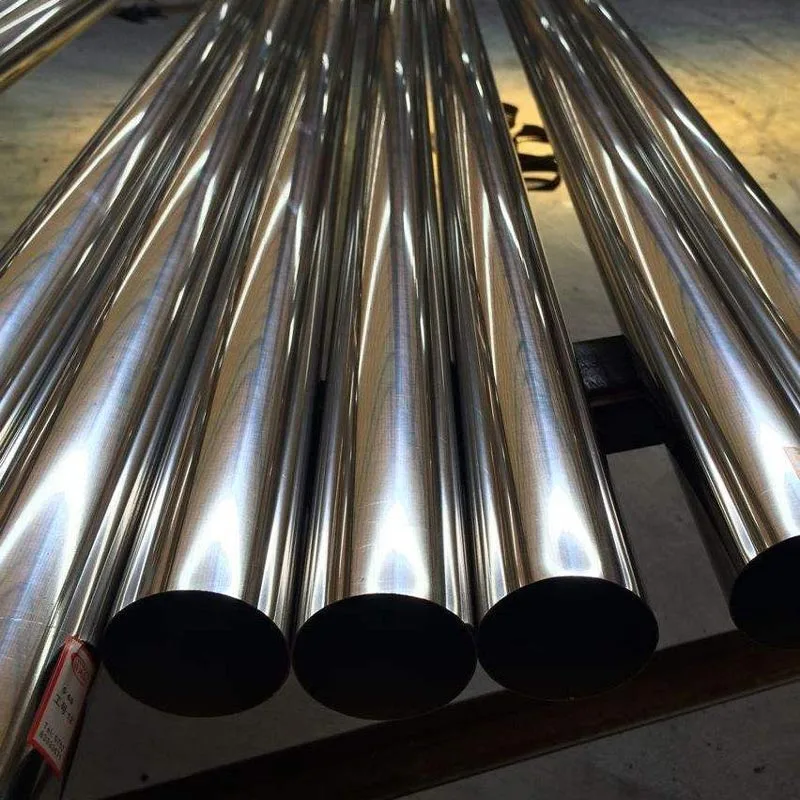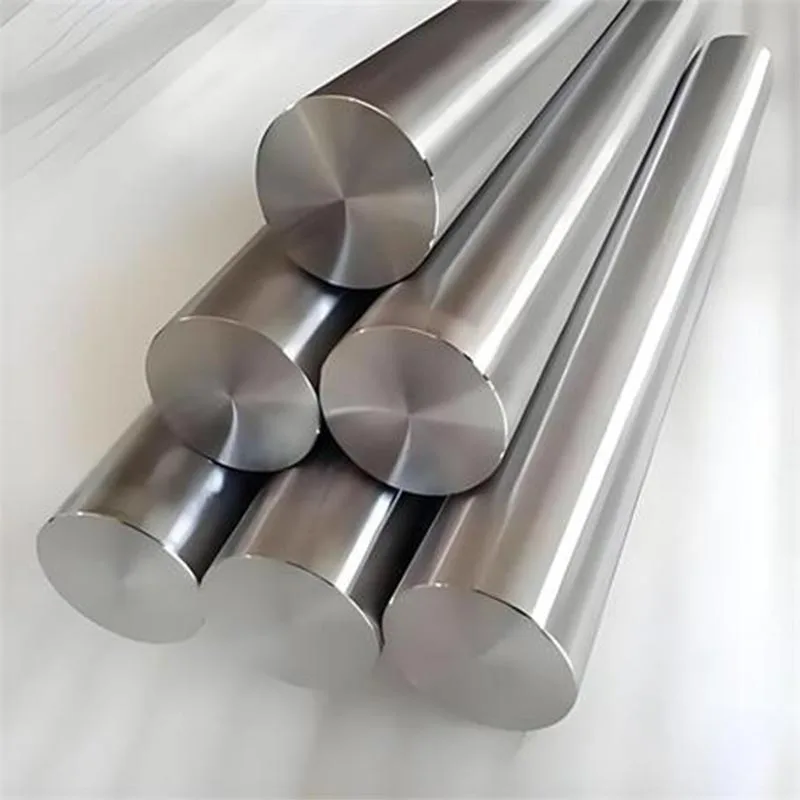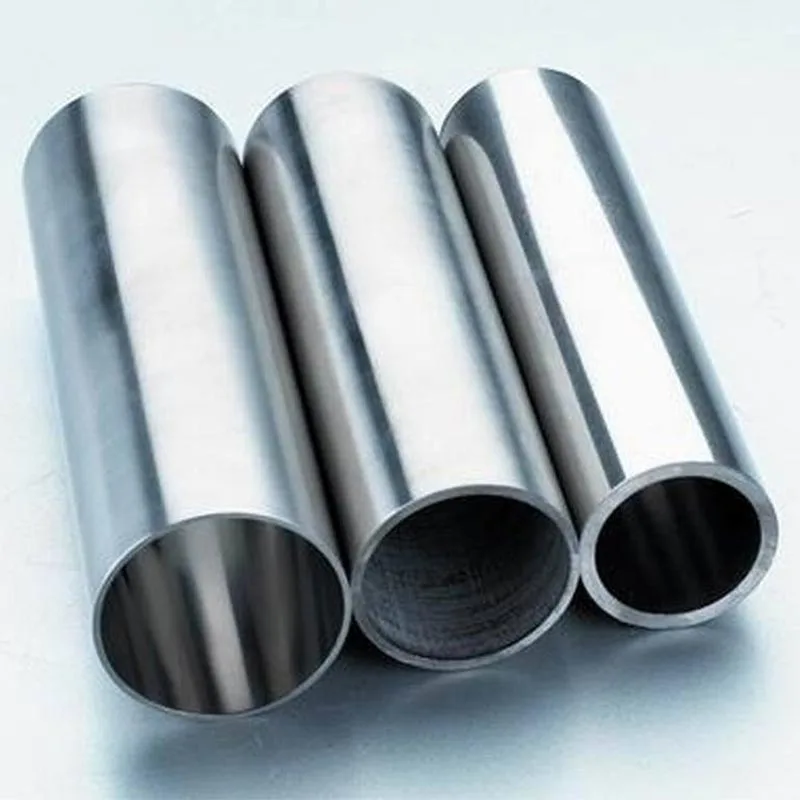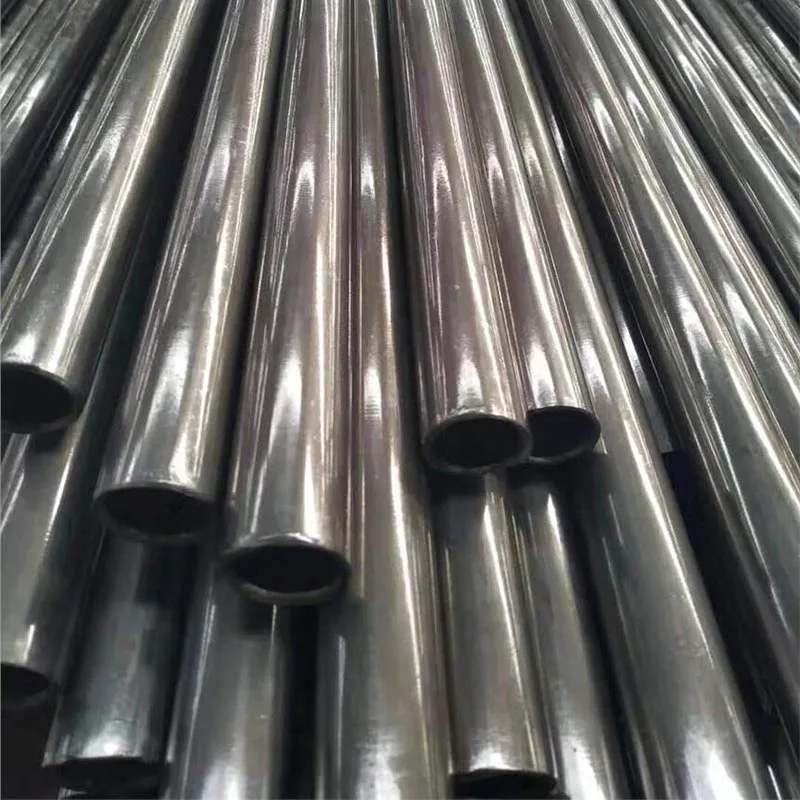

Semi-finished 304 stainless steel tube provides manufacturers with a versatile starting material for precision machining, tube forming, cutting, welding, and customized component production. Its corrosion resistance, formability, and broad industrial applicability make it suitable for many general-purpose applications. However, choosing the right tube requires more than identifying the 304 grade. Buyers must evaluate dimensions, wall thickness, manufacturing method, surface condition, material traceability, and downstream processing requirements. This guide explains how to assess semi-finished 304 stainless steel tubing, reduce processing risks, and make more informed purchasing decisions.
1. What Is Semi-finished 304 Stainless Steel Tube?
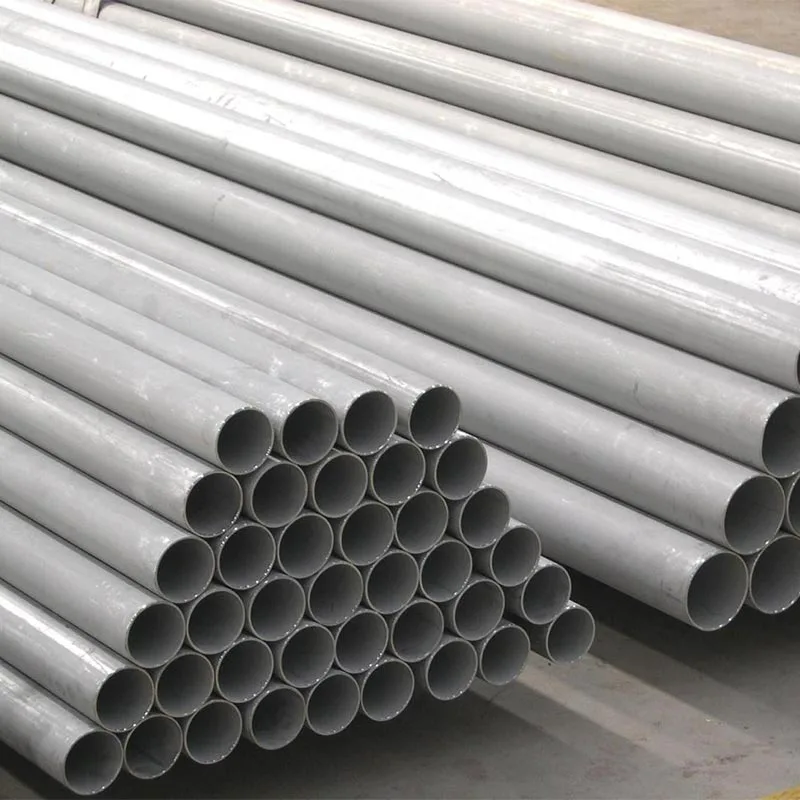
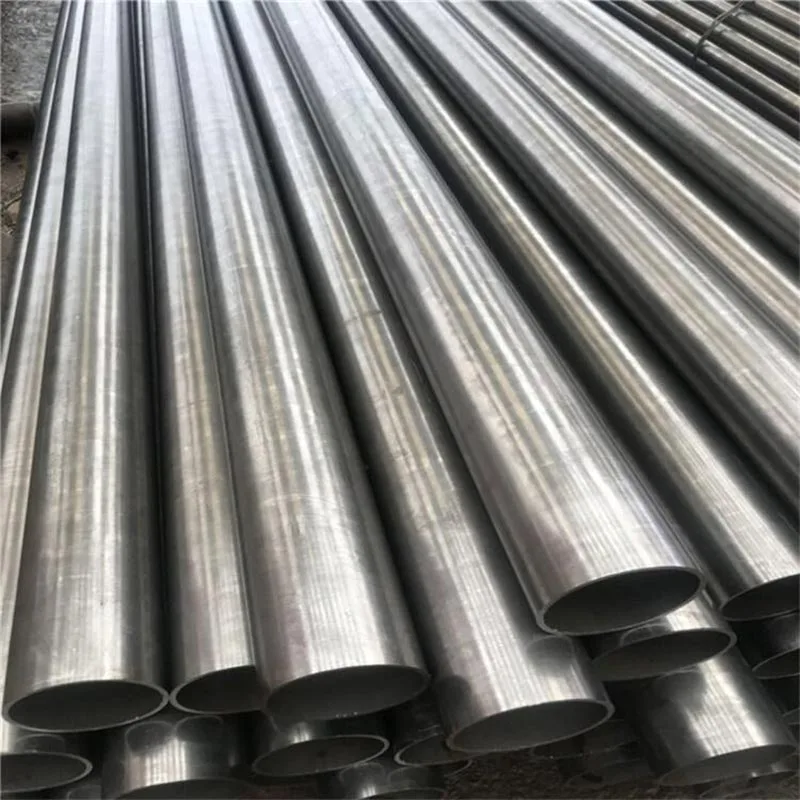
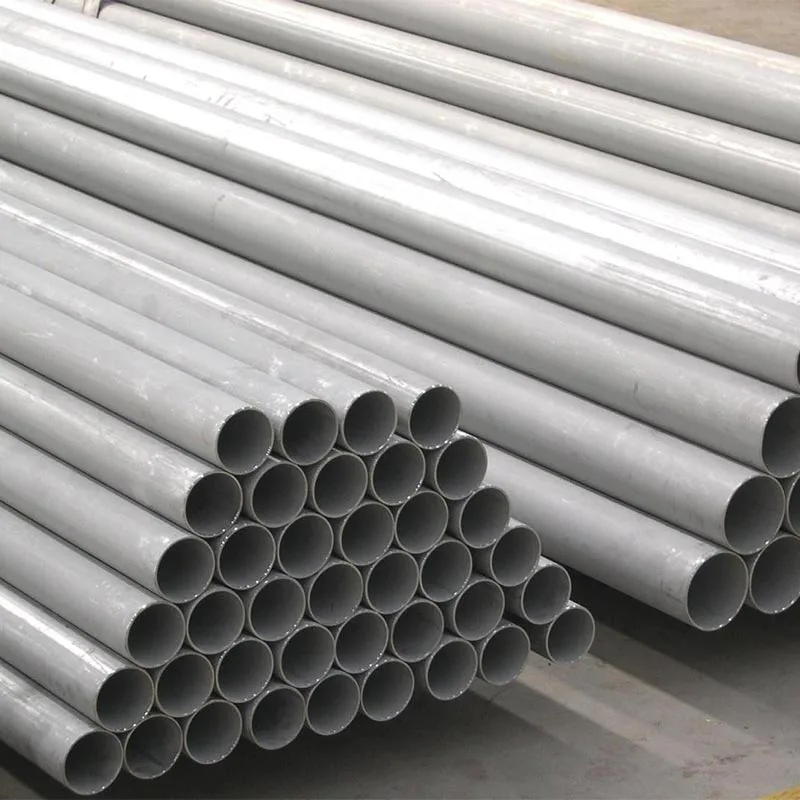
Semi-finished 304 stainless steel tube is tubular material supplied at an intermediate stage of production, ready for further processing before it becomes a finished component or assembly. Depending on the supplier and manufacturing route, it may require additional cutting, sizing, polishing, bending, welding, machining, or other finishing operations.
The term semi-finished describes the product's stage of completion rather than a separate stainless steel grade. A tube can be manufactured from 304 stainless steel while still requiring additional work to meet the dimensional, surface, or functional requirements of its final application.
For industrial buyers, this distinction is important. Purchasing intermediate tubing can provide greater flexibility when standard finished products do not match a project's exact dimensions or when the buyer has established downstream manufacturing capabilities.
How Does Semi-finished Tubing Differ from Finished Tubing?
| Evaluation Factor | Semi-finished Tube | Finished Tube |
|---|---|---|
| Product condition | May require additional manufacturing or finishing. | Supplied closer to the specified final condition. |
| Customization | Offers flexibility for downstream processing. | Customization depends on the supplier's finished-product range. |
| Surface condition | May need polishing, pickling, or other treatment. | Usually specified according to the agreed final finish. |
| Dimensional requirements | Must be suitable for the intended subsequent operations. | Must meet the final dimensions and tolerances in the purchase specification. |
| Cost considerations | Potentially economical when further processing is handled efficiently. | May reduce internal processing work but include additional finishing costs. |
The right option depends on the production process. A component manufacturer with its own cutting and polishing equipment may prefer semi-finished material, while a buyer without in-house fabrication facilities may benefit from more completely finished tubing.
2. What Makes 304 Stainless Steel Suitable for Industrial Use?
Grade 304 is a widely used austenitic stainless steel containing chromium and nickel. Its composition supports the formation of a protective passive surface film, which helps resist corrosion in many everyday industrial environments.
Under commonly specified composition limits, 304 stainless steel contains approximately 18–20% chromium and 8–10.5% nickel, with carbon limited to a maximum of 0.08%. The exact requirements depend on the applicable product specification and grade designation.
Corrosion Resistance
The chromium-rich passive film helps protect the material from general atmospheric corrosion, moisture, and many mildly corrosive substances. This makes 304 tubing useful in equipment, structural components, and fluid-handling systems where the operating environment is compatible with the grade.
However, stainless steel is not immune to corrosion. Chloride-rich environments, stagnant deposits, unsuitable cleaning chemicals, and certain combinations of temperature and chemistry can cause pitting, crevice corrosion, or other forms of attack. Material selection should therefore consider the actual service conditions rather than relying on the stainless steel designation alone.
Formability and Fabrication Potential
304 stainless steel generally offers good ductility and formability. It can be suitable for bending, drawing, forming, and other fabrication processes when the tube's dimensions, condition, and tooling are properly matched to the operation.
Nevertheless, austenitic stainless steel can work-harden during deformation. Tight-radius bends, repeated forming operations, or substantial reductions in section may require process trials and appropriate tooling to avoid cracking, excessive springback, or dimensional inconsistency.
Mechanical and Thermal Characteristics
304 stainless steel combines useful strength with toughness and can be used across a broad range of industrial temperature conditions when properly designed. Its performance still depends on temperature, applied loads, wall thickness, fabrication history, and the relevant design code.
3. What Benefits Can Manufacturers Expect?
3.1 Flexible Downstream Processing
Semi-finished tubing gives manufacturers room to create components with application-specific lengths, profiles, surface finishes, and connection details. This flexibility is valuable when a production line serves several product models or when customers require customized dimensions.
3.2 Better Control over the Final Component
When a buyer manages its own finishing operations, the manufacturing sequence can be adjusted to meet particular assembly requirements. Cutting allowances, end preparation, polishing stages, and fitting interfaces can be planned around the final design rather than accepted as fixed features of a standard finished product.
3.3 Potential Production and Inventory Savings
Purchasing a suitable intermediate tube can help reduce unnecessary finishing steps, especially when the buyer already operates the required machinery. Standardized semi-finished stock may also support several product lines and reduce the need to hold numerous fully finished variants.
These savings are not automatic. Buyers should account for processing labor, tooling, scrap, inspection, packaging, and transportation when comparing quotations. A lower material price can become less attractive if the tube requires extensive correction or produces excessive waste.
3.4 A Broad Range of Potential Uses
Grade 304 is used in many industrial and commercial sectors because it balances corrosion resistance, fabrication capability, and availability. This versatility can simplify sourcing for manufacturers whose products do not require a more specialized alloy.
4. What Are the Main Industrial Applications?
Semi-finished 304 stainless steel tube can serve as a starting material for a variety of components. Its suitability depends on the final design, manufacturing method, and operating environment.
Industrial Equipment and Machinery
Equipment manufacturers may use 304 tubing for frames, guards, support structures, machine components, and selected fluid-handling parts. The tube's strength, formability, and corrosion resistance can help meet general industrial requirements.
Food Processing and Commercial Kitchens
304 stainless steel is frequently used for food-processing equipment, work surfaces, tubular supports, and certain product-contact components. Where hygienic performance is required, the final surface finish, weld quality, cleaning access, and resistance to the specific cleaning regime are just as important as the alloy grade.
Construction and Architectural Fabrication
Architectural fabricators can process 304 tubing into handrails, decorative assemblies, supports, and interior fixtures. The selected surface finish and exposure conditions should be considered carefully, particularly in coastal or industrial locations where chloride deposits may accelerate corrosion.
Automotive and General Manufacturing
Depending on the design and applicable standards, 304 tubing may be used in selected brackets, protective components, equipment lines, and fabricated assemblies. Applications involving severe vibration, elevated temperatures, aggressive fluids, or demanding fatigue requirements need additional engineering review.
Fluid Transfer and Instrumentation
Appropriately specified tubing may be used in certain process lines, utility systems, and instrumentation assemblies. Pressure, temperature, fluid compatibility, cleanliness, and connection design must all be verified before the material is approved for service.
5. What Processing Methods Can Be Used?
The appropriate processing route depends on the tube's initial condition, wall thickness, dimensional tolerances, and intended final use. A clear manufacturing plan helps prevent unnecessary rework.
Cutting and End Preparation
Tube can be cut to length using suitable saws, abrasive equipment, or other controlled cutting methods. For components requiring accurate fit-up, the buyer should define length tolerance, end squareness, burr limits, and any chamfering requirements.
Bending and Forming
Mandrel bending, roll bending, and other forming techniques may be suitable for 304 tubing. The minimum bend radius should be established through design calculations, tooling capability, and production trials. Thin walls and small bend radii increase the risk of flattening, wrinkling, and local wall thinning.
Welding and Joining
304 stainless steel can be welded using suitable procedures and filler materials where required. Clean joint preparation, controlled heat input, appropriate shielding, and post-weld cleaning help maintain weld quality and corrosion resistance.
For demanding applications, welding procedures and inspection methods should be established in accordance with the applicable code and project requirements.
Polishing and Surface Treatment
Grinding, mechanical polishing, pickling, and passivation may be used where the application requires particular surface characteristics. These operations are not interchangeable: polishing changes surface texture, while pickling and passivation address surface contamination and oxide conditions through different processes.
After processing, the material should be handled with clean tools and protected from carbon-steel contamination. The required surface roughness, appearance, and treatment acceptance criteria should be specified rather than described only as “good finish.”
Machining and Dimensional Adjustment
Machining can produce precise features and connection interfaces, but it requires tooling and parameters appropriate for austenitic stainless steel. Excessive heat, poor chip control, or inappropriate cutting conditions can lead to work hardening and poor surface quality.
6. What Specifications Should Buyers Evaluate?
A well-prepared purchasing specification helps the supplier quote accurately and reduces the risk of receiving material that cannot be processed efficiently.
Dimensions and Tolerances
Define the outside diameter, wall thickness, length, and permitted dimensional variation. For precision assemblies, also consider ovality, straightness, concentricity, and any requirements for internal diameter or end geometry.
Manufacturing Route
Clarify whether seamless or welded construction is required. The choice can affect cost, dimensional characteristics, inspection requirements, and suitability for the intended service. The manufacturing route should align with the applicable product specification and design conditions.
Surface Condition
Specify whether the tube will be supplied as produced, pickled, polished, or in another agreed condition. If surface roughness is critical, state the required Ra value, measurement method, and the locations at which it must be verified.
Applicable Standards and Documentation
For general-service stainless steel tubing, ASTM A269/A269M may be relevant, depending on the application and the precise product form. Other applications may require different standards. Buyers should verify the current edition and applicable scope before placing an order.
Where required, request a material test certificate, heat or lot identification, chemical composition results, mechanical test results, and agreed inspection records. Additional tests may be necessary for particular codes or operating conditions.
| Specification Item | Information to Define | Why It Matters |
|---|---|---|
| Grade | 304, 304L, or another approved grade | Confirms the intended alloy and its required composition. |
| Dimensions | Outside diameter, wall thickness, length | Ensures compatibility with tooling and assembly requirements. |
| Tolerances | Diameter, wall, ovality, straightness, length | Controls fit, processing yield, and dimensional consistency. |
| Manufacturing method | Seamless or welded, as applicable | Aligns the product with design and inspection requirements. |
| Surface finish | As-produced, pickled, polished, or specified Ra | Supports appearance, cleaning, and downstream processing. |
| Inspection | Required tests and acceptance criteria | Reduces uncertainty about product conformity. |
| Traceability | Heat numbers, certificates, batch identification | Supports incoming inspection and quality records. |
7. What Quality Checks Help Prevent Costly Problems?
Quality control should cover both the incoming tube and its performance during subsequent fabrication. A material certificate alone cannot establish that every dimension, surface characteristic, or application-specific requirement has been met.
Incoming Inspection Checklist
- Verify grade identification and purchase-order requirements.
- Check that material certificates correspond to the supplied heat or lot.
- Measure outside diameter and wall thickness at agreed locations.
- Inspect straightness, ovality, cut ends, and visible surface defects.
- Confirm the agreed surface condition and cleanliness.
- Review packaging and handling for dents, scratches, and contamination.
- Arrange any additional testing required by the application or contract.
Why Wall Thickness Consistency Matters
Wall thickness affects component weight, forming behavior, machining allowance, and load-bearing capacity. Significant variation can create problems during bending or welding and may cause the finished component to fall outside its dimensional requirements.
Measurement methods should be appropriate for the tube size and required accuracy. For critical applications, inspection frequency and acceptance limits should be agreed before production rather than decided after a problem occurs.
Preventing Surface Contamination
Carbon-steel particles transferred from tools, racks, or work surfaces can contaminate stainless steel and contribute to surface rust. Dedicated or properly cleaned equipment, suitable storage, and protective packaging help reduce this risk.
Trial Processing Before Mass Production
When a tube will undergo substantial forming, welding, or machining, a representative trial can reveal issues before they affect an entire batch. Buyers should evaluate springback, dimensional stability, surface changes, and finished-component fit during the trial stage.
8. What Is the Difference Between 304, 304L, and 316?
Grade selection should reflect the environment, fabrication procedure, and performance requirements. Although these grades share some characteristics, they are not interchangeable in every application.
| Grade | Main Characteristic | Typical Selection Consideration |
|---|---|---|
| 304 | General-purpose austenitic stainless steel with good corrosion resistance and formability. | Suitable for many general industrial and commercial environments. |
| 304L | Lower-carbon version of 304. | Often preferred when welding-related sensitization is a concern, subject to design requirements. |
| 316 | Contains molybdenum and generally offers improved resistance to chloride-related corrosion compared with 304. | Consider for more demanding environments, while verifying actual chloride concentration, temperature, and service conditions. |
304L can help reduce the risk of sensitization in welded sections because of its lower carbon content. However, welding procedure, section thickness, service conditions, and applicable requirements still need to be considered.
316 is not universally corrosion-proof, particularly in warm chloride-rich environments or where deposits create crevices. For severe chemical exposure, marine service, or high-consequence applications, a corrosion assessment may identify the need for a different alloy or protective design.
In addition, buyers should distinguish between tubing and pipe specifications. ASTM A269/A269M addresses specified austenitic stainless steel tubing for general service, while ASTM A312/A312M addresses specified seamless, welded, and heavily cold-worked austenitic stainless steel pipe. The correct standard depends on the product form and intended use.
9. What Should Buyers Confirm Before Ordering?
Procurement decisions should account for the complete cost and risk of turning semi-finished material into a usable component. The lowest quoted unit price may not represent the lowest total production cost.
Evaluate Total Cost, Not Just Material Price
Compare the material quotation alongside processing time, inspection costs, scrap rate, surface treatment, packaging, shipping, and inventory requirements. If a tube needs extensive reworking to meet the final design, the initial saving may quickly disappear.
Confirm Production Consistency
For repeat orders, clarify whether the supplier can maintain the agreed grade, dimensions, manufacturing route, surface condition, and documentation. Establish how changes to raw materials, production methods, or inspection arrangements will be communicated and approved.
Discuss Customization Before Production
Provide drawings or a technical specification that identifies critical dimensions, tolerances, finishing operations, and inspection points. If the final application involves unusual geometry or demanding performance, discuss a sample or trial batch before committing to large-volume production.
Assess Supplier Communication and Technical Support
A suitable supplier should be able to clarify product specifications, explain available manufacturing options, identify information needed for a quotation, and discuss documentation requirements. Buyers should also establish lead time, minimum order quantity, packing method, and the process for handling nonconforming material.
Jiangsu Jilaida Nickel based Alloy Co., Ltd. can be included in a supplier evaluation when sourcing semi-finished stainless steel tube and related alloy products. Buyers should confirm the specific available sizes, grade options, manufacturing capabilities, inspection arrangements, and delivery terms directly with the company before finalizing a purchase.
10. Frequently Asked Questions
What does semi-finished 304 stainless steel tube mean?
It refers to 304 stainless steel tubing supplied at an intermediate production stage for further cutting, forming, machining, welding, polishing, or other finishing operations. The exact supply condition should be confirmed with the manufacturer.
What is the main advantage of semi-finished 304 stainless steel tube?
Its main advantage is processing flexibility. Manufacturers can adapt the material to specific component designs and may reduce unnecessary finishing work when they have suitable in-house production capabilities.
Is 304 stainless steel tube suitable for outdoor use?
It can be suitable for many outdoor applications, depending on the exposure conditions. Coastal air, salt deposits, industrial pollutants, and chloride-containing cleaners can increase corrosion risk, so the environment and maintenance requirements should be evaluated.
Can semi-finished 304 stainless steel tube be welded?
Yes, 304 stainless steel can generally be welded using suitable procedures. Joint preparation, filler selection, heat input, shielding, and post-weld cleaning should be matched to the component design and applicable requirements.
What information is needed to request a quotation?
Provide the grade, outside diameter, wall thickness, length, quantity, manufacturing method, surface finish, dimensional tolerances, required standards, inspection documentation, and delivery destination. Drawings are helpful for customized products.
Does semi-finished tubing always cost less than finished tubing?
Not necessarily. Semi-finished material may reduce the purchase price, but additional labor, equipment, scrap, finishing, and inspection costs must be included. Compare the total cost of producing an acceptable final component.
What is the difference between 304 and 304L stainless steel tube?
304L has a lower maximum carbon content than standard 304, which can help reduce sensitization during welding. The appropriate grade depends on the welding procedure, service conditions, and applicable material specification.
Can 304 stainless steel tube be used in high-pressure systems?
Suitability depends on the product specification, dimensions, wall thickness, material condition, operating pressure and temperature, connection design, and applicable code. Grade identification alone is insufficient to establish pressure-service suitability.
Which documents should accompany an order?
Depending on the contract, buyers may request a material test certificate, heat or lot traceability, chemical analysis, mechanical test results, dimensional inspection records, and evidence of required testing. All documentation should correspond to the agreed product specification.
How can buyers reduce defects when processing semi-finished tubing?
Start with a complete purchase specification, verify incoming dimensions and material identification, use appropriate tooling, control surface contamination, and conduct representative trial processing for demanding operations. Clear acceptance criteria help identify problems early.
Find the Right Semi-finished 304 Stainless Steel Tube for Your Project
Choosing suitable semi-finished 304 stainless steel tube starts with understanding the final component, its working environment, and the processing steps required to achieve the desired result. Clearly defined dimensions, material requirements, surface conditions, and inspection criteria help improve purchasing accuracy and production efficiency.
Jiangsu Jilaida Nickel based Alloy Co., Ltd. is a company buyers can contact to discuss stainless steel and nickel-based alloy sourcing requirements. Before ordering, confirm product availability, technical specifications, customization options, quality documentation, and delivery arrangements for your application.
Need help defining your tube specifications or preparing a customized material inquiry? Contact us to discuss your project requirements and identify the appropriate next steps for your procurement process.