Products
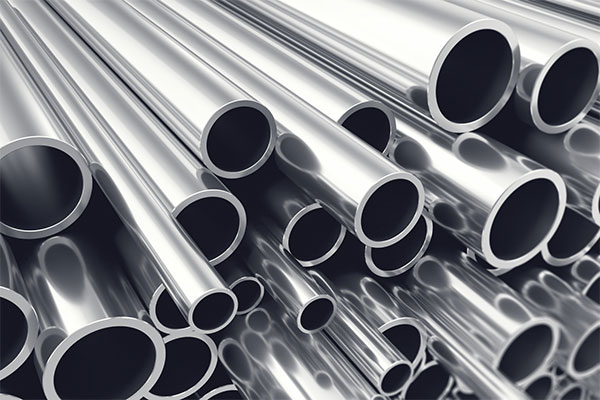
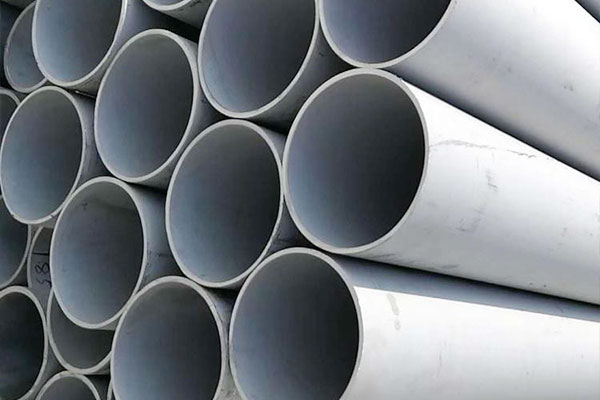
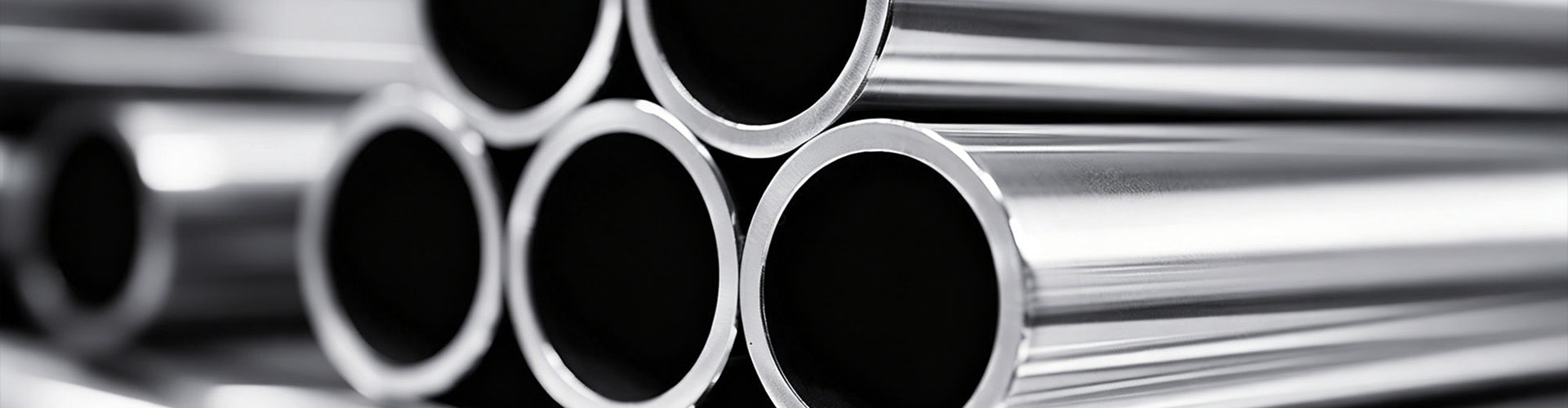
Customized Stainless Steel Seamless Pipe for Your Specific Requirements
What "Seamless" Means for the End User?
A welded pipe carries a longitudinal seam where flat strip was rolled and fused. At that seam, the microstructure is different from the parent metal - carbides precipitate, sensitization occurs, and corrosion tends to start. JILAIDA factory's stainless steel seamless pipe has no seam because it was never strip. It started as a solid billet, was pierced and extruded into a hollow tube in one continuous operation, and the wall structure is uniform from bore to outer surface. That uniformity is not a marketing claim. It is a metallurgical fact that shows up in every pressure test, every corrosion test, and every failure analysis where the crack did not originate at a weld.
For the buyer, the question is not whether seamless is better. It is. The question is whether the service conditions justify the price premium - typically 15 to 30 percent over welded pipe of the same grade and dimensions. JILAIDA produces both, and we will tell you honestly when welded pipe is adequate for your application. What follows is the case for seamless.
Grades Available as Seamless Round Pipe
Not every stainless grade is practical to extrude as seamless. The alloy must have sufficient hot ductility to flow through a die without tearing. The table below lists the grades we produce regularly as stainless steel seamless pipe, with the service conditions that drive the selection.
|
Grade |
UNS / Equivalent |
Chemistry Focus |
Primary Service Driver |
Temp Limit |
|
304 |
S30400 / 1.4301 |
18Cr-8Ni austenitic |
General corrosion resistance, food, architectural |
800 C |
|
304L |
S30403 / 1.4306 |
Low-carbon 304 (C <= 0.03%) |
Welded construction, as-welded service without sensitization |
800 C |
|
316 |
S31600 |
16Cr-10Ni-2Mo |
Chloride pitting resistance, marine, chemical |
800 C |
|
316L |
S31603 / 1.4404 |
Low-carbon 316 |
Welded or heat-exposed service in chloride media |
800 C |
|
310 |
S31000 |
25Cr-20Ni |
Oxidation resistance, furnace and superheater service |
1150 C |
|
310S |
S31008 / 1.4845 |
Low-carbon 310 (C <= 0.08%) |
Welded high-temperature construction |
1150 C |
|
2205 |
S32205 / 1.4462 |
22Cr-5Ni-3Mo duplex |
Yield ~450 MPa, chloride stress corrosion cracking resistance |
300 C |
|
08Х18Н10 |
GOST 5632 |
Russian-standard 304 equivalent |
CIS-market structural and general-purpose austenitic |
800 C |
|
08Х17Н14М2 |
GOST 5632 |
Russian-standard 316L equivalent |
CIS-market Mo-bearing low-carbon austenitic; NACE MR0175 capable |
800 C |
|
Х20Н25 |
GOST 5632 |
~20Cr-25Ni high-nickel austenitic |
Moderate acid service; bridges cost gap between 316L and full nickel alloys |
1000 C |
|
03Х20Н25 |
GOST 5632 |
Low-carbon Х20Н25 (C <= 0.03%) |
Prevents sensitization in welded or heat-exposed zones of high-nickel austenitic |
1000 C |
The 304 and 316 families account for the majority of seamless pipe volume. 310 and 310S serve high-temperature buyers. 2205 duplex is specified when the buyer needs the yield strength of a much heavier-walled austenitic at half the weight. The Russian-standard grades serve CIS-market buyers who require GOST chemistry ranges and documentation. Х20Н25 and its low-carbon variant occupy a niche between standard stainless and nickel alloys - more corrosion-resistant than 316L, significantly cheaper than C276.
Pressure, Wall Thickness, and the Math That Matters
Seamless pipe is specified by outside diameter and wall thickness. The relationship between these two numbers determines the pressure rating through a straightforward calculation: the Barlow formula, P = 2 x S x t / D, where P is internal pressure, S is allowable stress, t is wall thickness, and D is outside diameter.
What this means in practice?
A 316L seamless pipe at 50mm OD with 3mm wall thickness carries a theoretical burst pressure of approximately 310 bar. The same pipe at 5mm wall carries 520 bar. The buyer who specifies wall thickness is implicitly specifying a safety margin - and the seamless wall guarantees that margin is uniform around the entire circumference. In a welded pipe, the weld seam is typically the weakest point, and the effective pressure rating is lower than the Barlow calculation suggests.
For most process applications, the engineering specification includes a corrosion allowance on top of the calculated wall thickness. A 3mm wall might be structurally sufficient for a 50mm pipe at 150 bar, but if the service medium is chloride-bearing cooling water that corrodes 0.1mm per year, the buyer adds 2mm of allowance for a 20-year design life - resulting in a 5mm wall specification. This is why seamless pipe is frequently specified thicker than the pressure calculation alone would require.
Standard Dimensions
|
Parameter |
Finished Seamless Pipe |
Semi-finished (Rough) Tube |
|
Outside Diameter |
6 - 89 mm |
Up to 89 mm |
|
Wall Thickness |
3 - 9 mm |
9 mm and above |
|
Length |
3000 - 10000 mm |
3000 - 3500 mm |
|
OD Tolerance |
+/- 0.5 mm |
+/- 1.0 mm |
|
WT Tolerance |
+/- 10% |
+/- 15% |
|
Straightness |
<= 1.5 mm per meter |
<= 3.0 mm per meter |
|
Surface |
Pickled, polished, or bright-annealed |
As-extruded |
|
End Preparation |
Plain, beveled, or threaded |
Plain cut |
The semi-finished column is for buyers who operate their own cold pilgering or drawing equipment. They purchase a heavy-wall rough tube from us and reduce it to finished dimensions in-house, controlling the final cold-work condition and surface themselves. This arrangement is common among buyers in India and Southeast Asia who have cold-drawing capacity but no hot-extrusion press.
Surface Finish and What It Tells You About the Buyer
The surface finish specification on an RFQ reveals more about the buyer's application than any stated end-use:
Pickled. Acid-washed to remove mill scale. Surface is matte grey. This is the default for industrial process piping - chemical plants, oil and gas, power generation. The buyer does not need a decorative surface, only a chemically clean one.
Polished. Mechanical polishing to a specified Ra value. Buyers who polish are typically manufacturing shafts, bushings, or precision components where surface roughness affects fit and function. Polished seamless pipe is also specified for architectural and decorative applications, but those buyers usually purchase welded tube at lower cost.
Bright-annealed. Annealed in a hydrogen atmosphere to produce a mirror-bright, chemically passive surface. The buyer is a pharmaceutical, food, or semiconductor contractor who needs a surface that does not harbor bacteria or trap particulate. Ra below 0.8 micrometers. This is the most expensive surface option and the most demanding to produce - any surface defect is visible and unacceptable.
- View as
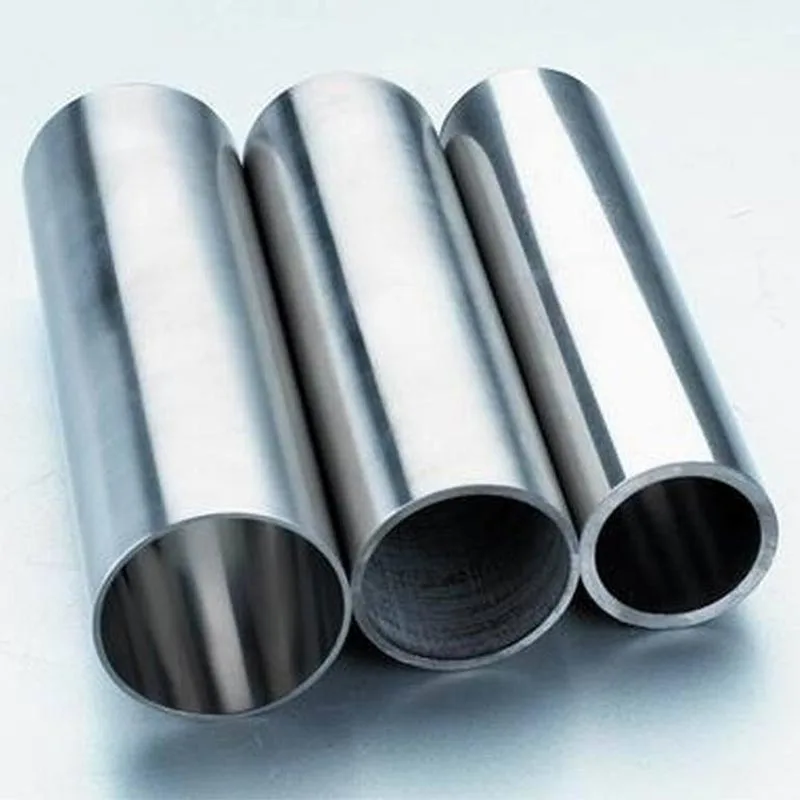
310S Stainless Steel Seamless Pipe
JILAIDA is a trusted China manufacturer and exporter of 310S stainless steel seamless pipes. As a low-carbon derivative of 310 (max 0.08% C), our 310S seamless pipe retains all the high-temperature advantages of standard 310 while delivering superior resistance to intergranular corrosion after welding and thermal processing. For international procurement managers and overseas distributors sourcing from China, Jiangsu Ji Lai Da offers consistent mill-run quality, flexible order volumes, and door-to-door logistics coordination. Send your RFQ today.
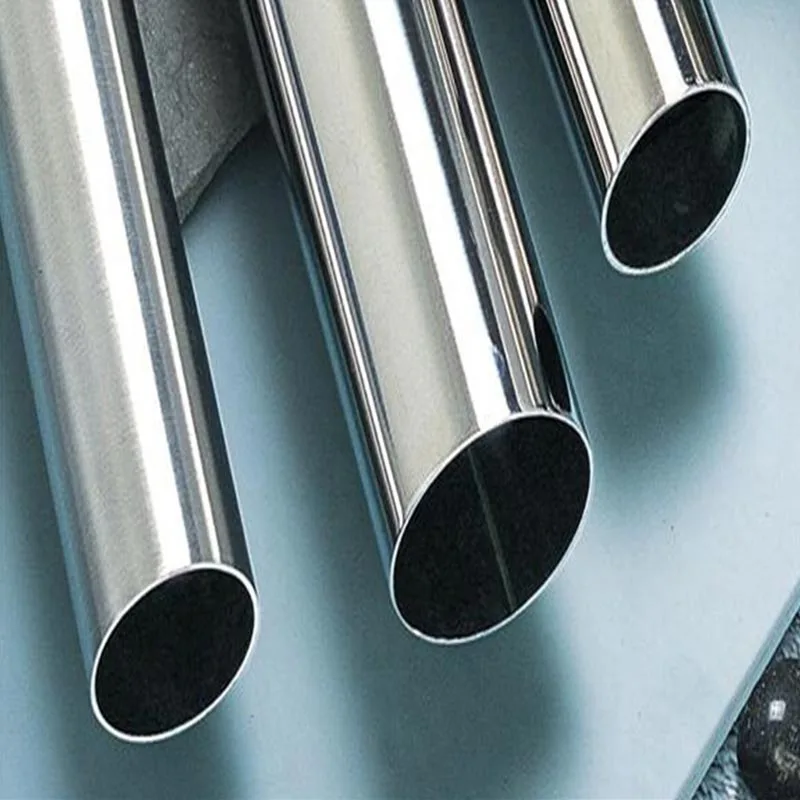
304 Stainless Steel Seamless Pipe
JILAIDA is a well-established China manufacturer specializing in 304 Stainless Steel Seamless Pipe — the most widely specified austenitic stainless steel grade across global industrial supply chains. Our 304 seamless pipe combines excellent general corrosion resistance, good formability, and cost efficiency, making it a staple choice for importers, stockists, and project buyers who demand consistent quality at competitive ex-works pricing. With in-house hot-rolled production capability and a dedicated export department, Ji lai da delivers 304 Stainless Steel Seamless Pipe that meets ASTM A312 and EN 10216-5 specifications. RFQs are answered within one business day.
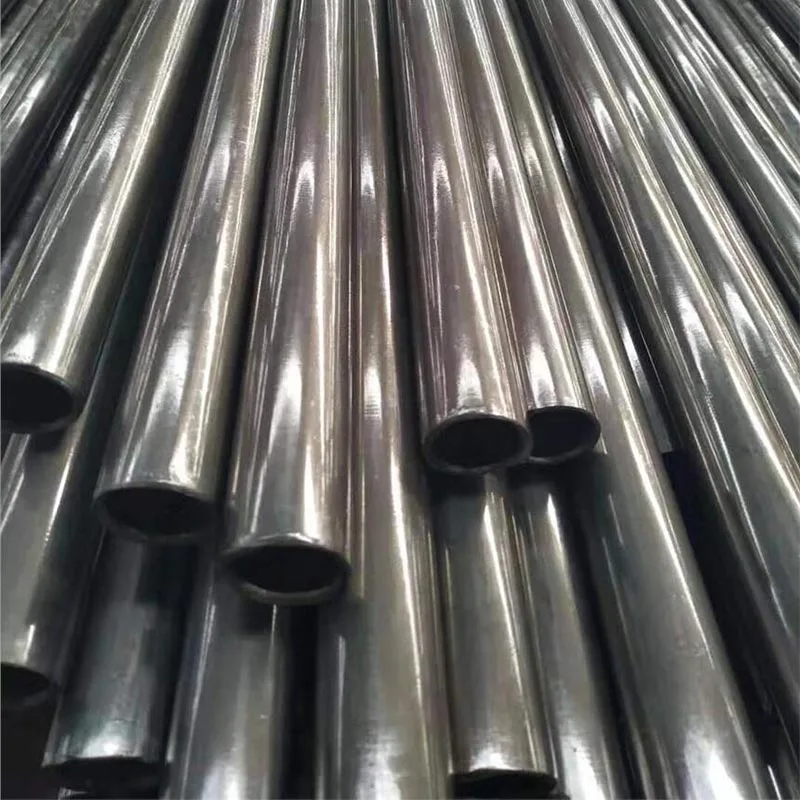
X5CrNi18-10 Extruded Seamless Pipe
Buy quality X5CrNi18-10 Extruded Seamless Pipe from JILAIDA, a professional manufacturer in China. X5CrNi18-10 is the EN 10088 designation for what most of the world calls 304. Same chemistry — roughly 18% chromium, 10% nickel, ≤0.07% carbon. Same austenitic structure, same corrosion resistance, same weldability. The name changes across borders, but the metal does not. If you source pipe from a European mill, you'll see X5CrNi18-10 on the certificate. From an American supplier, it's 304 or UNS S30400. From Japan, SUS304. From China, 06Cr19Ni10 under GB/T. Understanding these equivalences matters when your project specification references one standard but your supplier certifies to another — and that's exactly the situation most international procurement teams face.
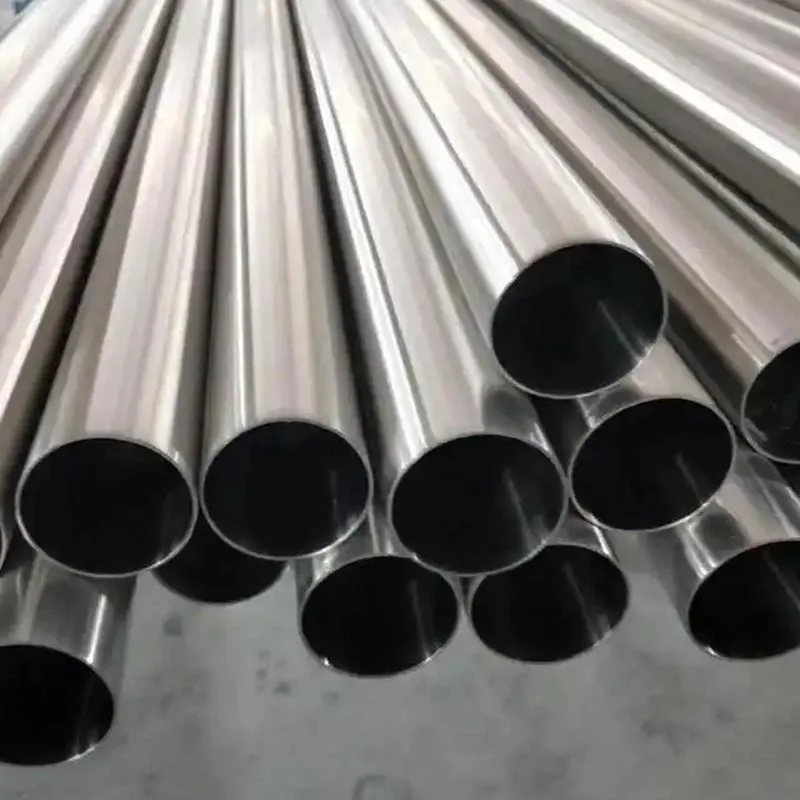
08Х18Н10 Hot Extruded Pipe
If you've ever received a material certificate with 08Х18Н10 printed on it and wondered whether that's the same as the 304 pipe you ordered — it is. The GOST 5632 designation uses a different naming logic: the first number is the carbon content in hundredths of a percent (08 = ~0.08% C), followed by the major alloying elements in Russian abbreviation — Xfor chromium (хром), Н for nickel, with their percentages trailing. So 08Х18Н10 reads as: ≤0.08% C, ~18% Cr, ~10% Ni. That's 304. Same austenite, same corrosion profile, same place in the project bill of materials. The JILAIDA factory's 08Х18Н10 Hot Extruded Pipe is simply the CIS-region name for the most widely used stainless seamless pipe on the planet.
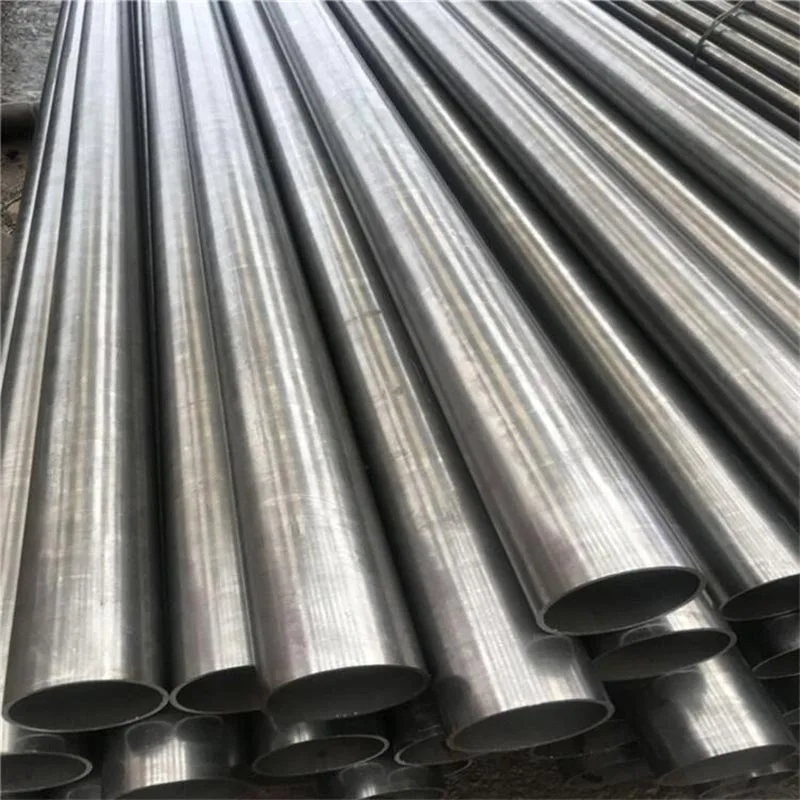
06Cr17Ni12Mo2 Stainless Steel Extruded Seamless Pipe
As a specialized Chinese manufacturer of nickel-based alloy seamless pipes, Jilaida produces 06Cr17Ni12Mo2 stainless steel extruded seamless pipes using a hot extrusion process that forms the pipe in a single step. These pipes feature a seamless structure with no longitudinal welds, a uniform and dense grain structure, and a wall thickness tolerance controlled within ±0.3 mm. The addition of molybdenum (2–3%) significantly enhances the material's resistance to pitting and crevice corrosion in chloride-rich environments, making it suitable for corrosive applications such as seawater desalination, coastal refining and chemical processing, pharmaceutical water systems, and offshore platforms.
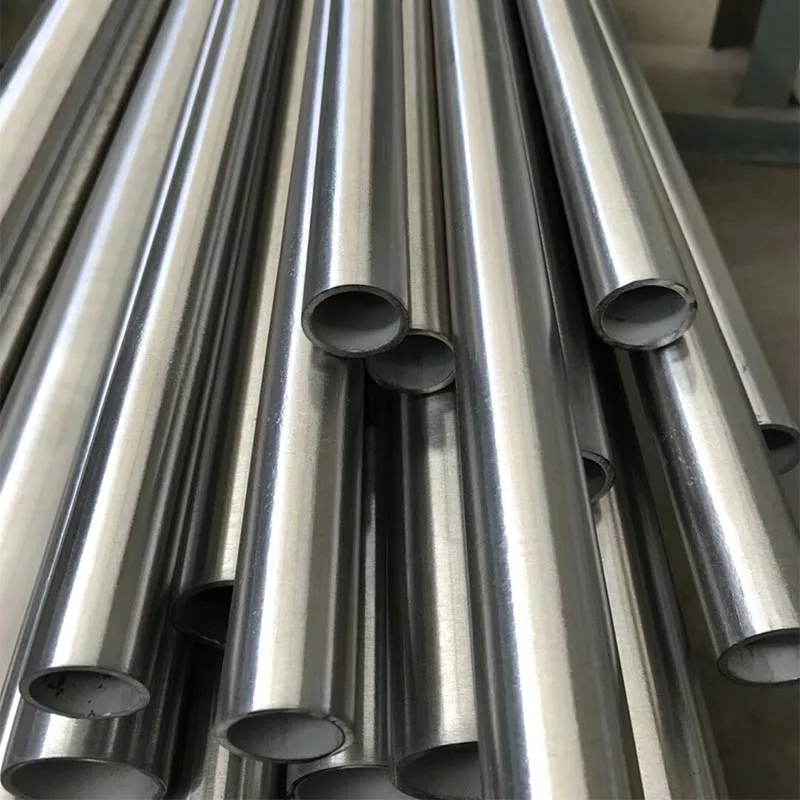
08Х17Н14М2 Extruded Round Pipe
Purchase high-quality 08Х17Н14М2 Extruded Round Pipe from Jilaida, a professional manufacturer in China. This pipe is formed in a single pass using a hot extrusion process; the wall thickness tolerance is controlled within ±0.3 mm, the grain structure is uniform across both inner and outer walls, and there are no longitudinal weld defects. Please contact us for a quote.
How Corrosion Testing Works on Seamless Pipe
A standard MTC per EN 10204 3.1 reports chemistry and mechanical properties. For stainless steel seamless pipe in corrosion-critical service, the buyer should also specify a corrosion test:
Intergranular corrosion per ASTM A262 Practice A-E. The most common test. Practice E (Strauss test) immerses a sample in boiling copper sulfate-sulfuric acid with copper chips and measures whether grain boundary attack has occurred. A properly annealed seamless pipe in 304L or 316L passes without detectable attack. This test catches sensitization from improper heat treatment - a problem that does not exist in as-extruded seamless pipe because there is no weld heat-affected zone to sensitize.
Pitting corrosion per ASTM G48. For 316, 2205, and high-nickel grades. A sample is immersed in ferric chloride solution at a specified temperature for 24 to 72 hours. The critical pitting temperature (CPT) - the temperature at which pitting initiates - is reported. For 316L, CPT is typically 15 to 20 C. For 2205, it rises to 35 to 40 C. This test is essential for seawater and chloride service specifications.
Stress corrosion cracking per ASTM G36. For 304 and 316 in chloride environments. A U-bend sample is immersed in boiling magnesium chloride for up to 200 hours. Cracking indicates susceptibility. This test is rarely specified for 2205 because duplex grades are inherently resistant to chloride SCC - one of the reasons buyers upgrade from 316L to 2205 for desalination service.
JILAIDA runS these tests in-house or through certified partner laboratories. Results are included in the documentation package when specified in the RFQ. SGS, BV, or TUV can witness any test at our facility.
What the RFQ Should Include
To receive factory-direct pricing from Jiangsu Ji Lai Da Nickel-Based Alloy Co., Ltd. within 24 hours, include:
1. Grade and standard. UNS number or national standard (GB, GOST, EN, JIS). State whether dual-standard certification is needed.
2. Dimensions. OD, wall thickness, and length. Specify whether length is fixed, random, or a range. For non-standard OD or wall combinations, we confirm tooling availability before quoting.
3. Quantity. Total meters or total weight. For standard grades (304, 316L), minimum order is 500 kg. For 2205 and high-nickel austenitic grades, 300 kg. Sample lengths of 300 to 500 mm available for qualification.
4. Surface finish. Pickled (standard), polished (specify Ra), or bright-annealed.
5. Testing. EN 10204 3.1 is standard. List supplementary tests: ASTM A262, G48, G36, ultrasonic per ASTM E213, hydrostatic at 1.5x design pressure. Specify if EN 10204 3.2 with third-party witness is required.
6. Delivery terms. FOB Shanghai, CIF to your port, or DDP to your warehouse.
7. End preparation. Plain cut, beveled for butt-welding, or threaded.
Who Orders and What They Care About
Chemical and petrochemical plants. The largest buyer group for 316L and 2205 seamless pipe. They specify corrosion test requirements and demand full heat-lot traceability. The stainless steel seamless pipe feeds acid lines, chloride service, and catalytic process piping. Lead time is project-driven. Middle East buyers (UAE, Saudi Arabia, Qatar) typically request CIF; Indian buyers prefer FOB with their own forwarder.
Oil and gas. Sour service lines requiring NACE MR0175 compliance. 316L and 08Х17Н14М2 for moderate-sour service; 2205 for higher chloride content. The buyer specifies H2S partial pressure and CO2 content in the RFQ. Documentation must include chemistry confirmation of low sulfur and phosphorus.
Power generation. Boiler and superheater tubing in 310S. Nuclear-island auxiliary piping in 304 and 316L. Full code traceability per ASTM/ASME. The buyer is an EPC contractor building a plant, and every piece of pipe must have a paper trail from melt to installation.
Pharmaceutical and food. Hygienic-grade piping in 304 or 316L with bright-annealed internal surfaces. Low volume, high margin, strict surface requirements. The buyer is a cleanroom contractor who needs protective end caps and a certificate of surface roughness.
Desalination. Brine concentrate and SWRO reject piping. 2205 duplex competes on life-cycle cost against titanium. The buyer calculates cost per year of service, not cost per kilogram, and the duplex grade's higher yield strength allows thinner wall - which can make 2205 cheaper than 316L on an installed-cost basis despite the higher alloy surcharge.
Packing and Delivery
Pipe is packed in wooden crates with steel strapping. Each bundle is tagged with heat number, grade, size, quantity, and MTC reference. End caps protect the bore. Desiccant packs are included for bright-annealed shipments. China manufacturer Jiangsu Ji Lai Da Nickel-Based Alloy Co., Ltd. ships FOB from Shanghai, Ningbo, or Lianyungang. CIF and DDP are available. Standard production lead time is 3 to 4 weeks for 304 and 316L; 4 to 5 weeks for 310S and 2205; 5 to 7 weeks for Russian-standard and high-nickel austenitic grades. ISO 9001 governs the quality system with four additional industry certifications.
FAQ
Why is seamless pipe more expensive than welded?
The production process is slower and more material-intensive. A welded pipe line can run continuously from coil strip at 3 to 5 meters per minute. Seamless extrusion produces pipe one billet at a time, with billet preparation, heating, pressing, cooling, and inspection between each piece. The 15 to 30 percent price premium reflects this throughput difference. For services where the weld seam would be a failure initiation point, the premium is justified. For general-purpose low-pressure service, welded pipe may be adequate - we will advise based on your conditions.
Can you supply both EN 10204 3.1 and 3.2 certificates?
Yes. 3.1 is standard on every shipment. 3.2 requires a third-party inspector - SGS, BV, or TUV - to witness the test cuts and co-sign. Add 5 to 7 working days for the inspector visit.
What is the practical size range for seamless stainless pipe?
OD 6 to 89 mm, wall thickness 3 to 9 mm, length 3000 to 10000 mm. We can produce outside these ranges on a custom basis, but tooling cost and minimum quantity may apply.