
News
What Makes Hot Finished Stainless Steel Seamless Pipe a Reliable Choice for Demanding Applications?
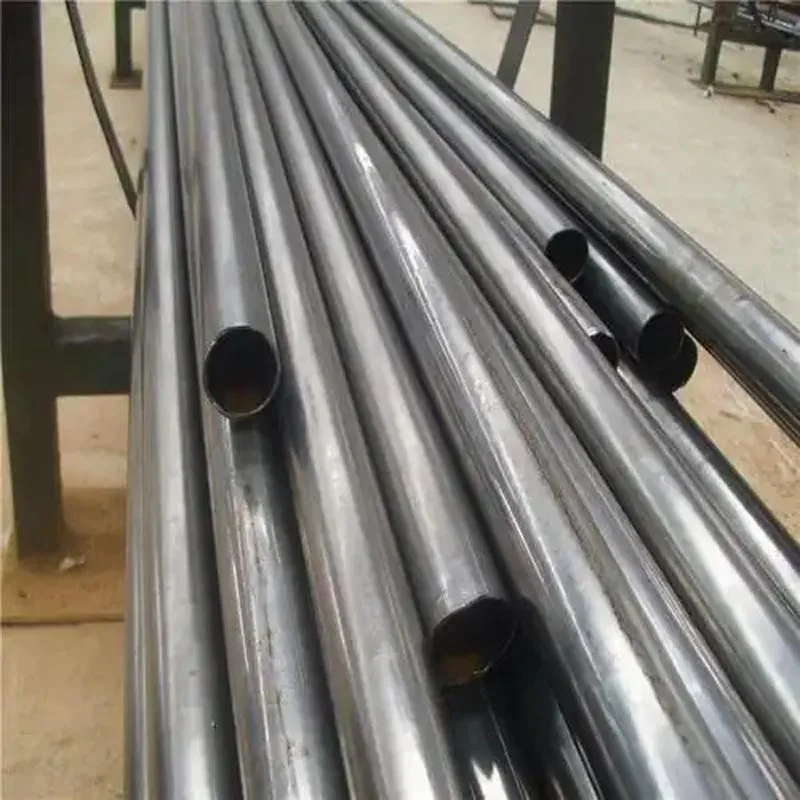
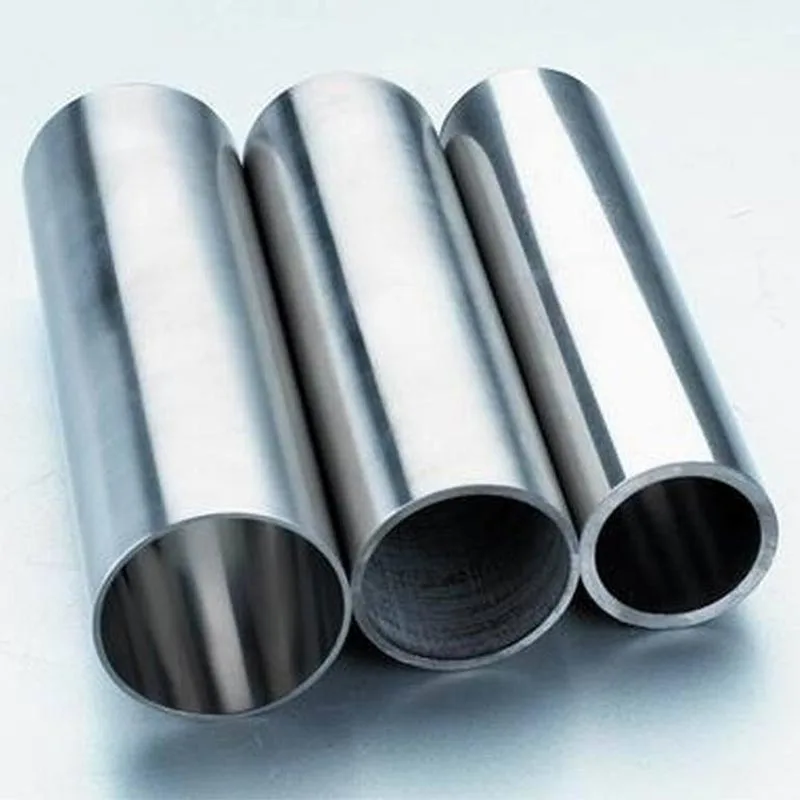
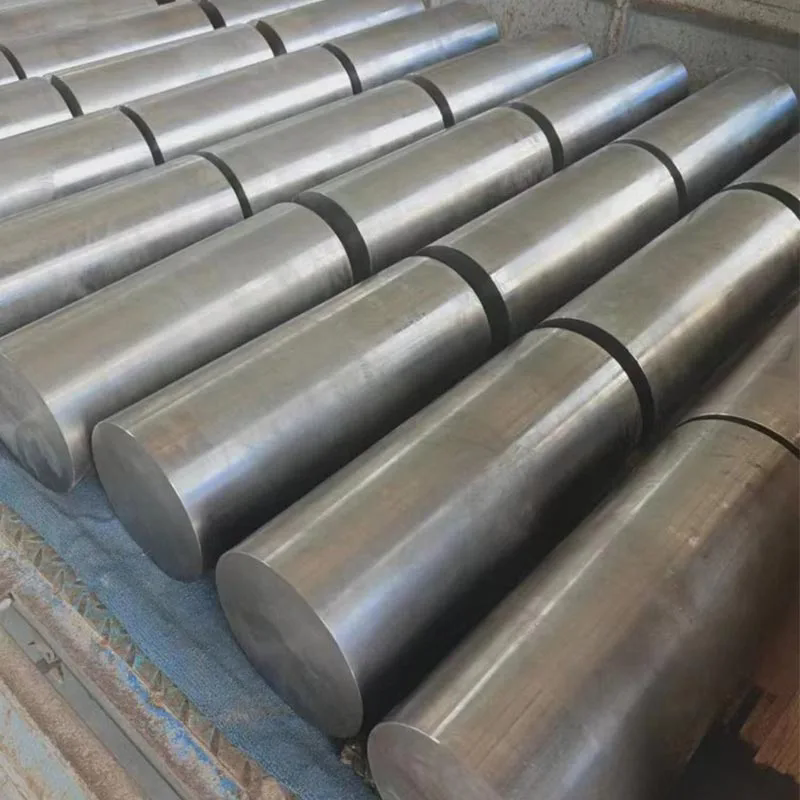
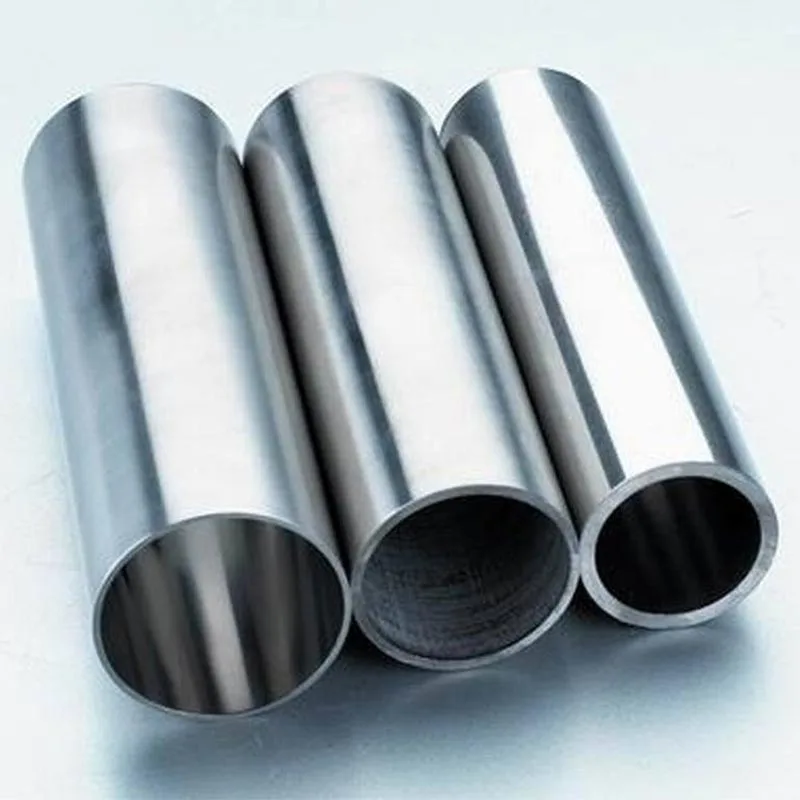
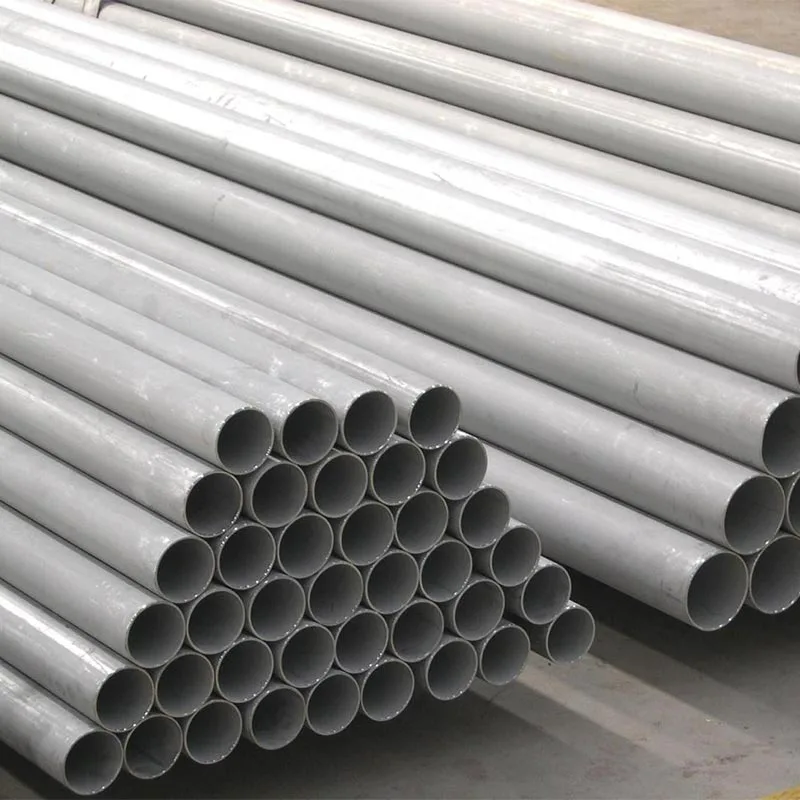
Hot finished stainless steel seamless pipe is widely considered for applications where strength, corrosion resistance, structural integrity, and dependable service performance are important. Unlike welded pipe, seamless pipe is manufactured without a longitudinal weld seam, while the hot finishing process allows the material to be formed at elevated temperatures. This combination can be advantageous for larger dimensions, demanding mechanical requirements, and applications where consistent material integrity is a priority.
However, not every stainless steel seamless pipe is suitable for every project. Buyers need to look beyond price and confirm the appropriate stainless steel grade, dimensions, tolerances, heat treatment, surface requirements, testing, documentation, and delivery capability. This article provides a practical framework for understanding the product and reducing common purchasing risks.
Table of Contents
- What Is Hot Finished Stainless Steel Seamless Pipe?
- How Is It Manufactured?
- Key Advantages for Industrial Applications
- Understanding Stainless Steel Grades
- Important Factors When Purchasing
- Hot Finished vs. Cold Finished Seamless Pipe
- Where Is It Commonly Used?
- How to Control Quality and Reduce Procurement Risk
- What to Expect From a Professional Supplier
- Frequently Asked Questions
- Final Considerations
What Is Hot Finished Stainless Steel Seamless Pipe?
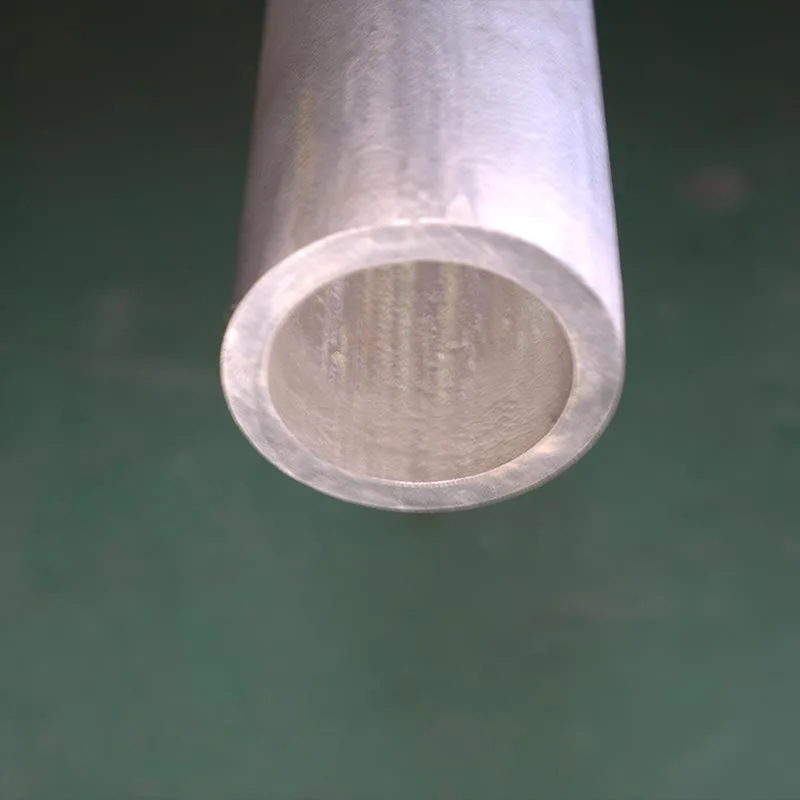
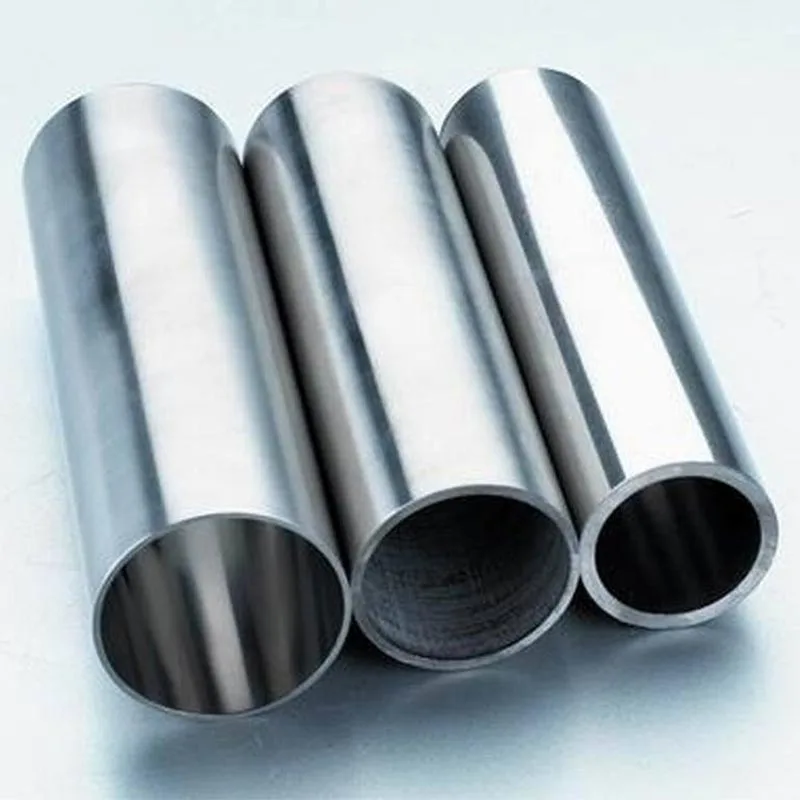
Hot finished stainless steel seamless pipe is a tubular product manufactured from stainless steel without forming a longitudinal welded joint. The pipe is shaped and sized through high-temperature forming processes, followed by finishing operations designed to achieve the required dimensions and surface condition.
The term “hot finished” describes the manufacturing route rather than a particular stainless steel grade. Different grades can be manufactured into seamless pipe depending on the producer's capabilities and the applicable product specification. Therefore, buyers should never treat “hot finished” as a substitute for identifying the exact material grade and standard.
For demanding projects, the absence of a welded seam can simplify certain design and engineering considerations. At the same time, actual service performance depends on the complete combination of material chemistry, heat treatment, manufacturing quality, dimensions, surface condition, and application environment.
How Is It Manufactured?
Understanding the production route helps buyers evaluate whether a supplier can consistently meet project requirements. Although exact processes vary according to grade, size, specification, and mill technology, production commonly involves several controlled stages.
- Raw material preparation: Stainless steel billets or other suitable starting materials are selected according to the required chemical composition and product specification.
- Heating: The material is heated to a controlled temperature suitable for hot forming.
- Piercing and forming: The heated billet is pierced and formed into a hollow tubular shape.
- Hot rolling or sizing: Additional forming operations help achieve the required outside diameter and wall thickness.
- Heat treatment: Depending on the grade and specification, heat treatment may be applied to obtain the required metallurgical condition.
- Finishing: Straightening, cutting, surface treatment, sizing, and other operations may be performed according to the final specification.
- Inspection and testing: Dimensional checks, visual inspection, mechanical testing, chemical verification, and other examinations may be carried out as required.
Consistency between these stages is critical. A competitive quotation means little if variations in wall thickness, material condition, surface quality, or documentation create problems during fabrication or installation.
Key Advantages for Industrial Applications
Seamless Construction
The lack of a longitudinal weld seam can be beneficial for applications where uniform tubular integrity is an important engineering consideration.
High-Temperature Forming
Hot forming is particularly useful for producing larger sizes and heavier wall configurations that may be challenging to manufacture economically through other routes.
Corrosion Resistance
Stainless steel can provide strong resistance to corrosion when the appropriate grade is selected for the chemical, temperature, and environmental conditions.
Structural Reliability
Properly manufactured seamless pipe can support applications requiring dependable mechanical properties and controlled dimensions.
These benefits do not automatically apply to every product. For example, selecting a lower-alloy stainless steel for a highly aggressive chemical environment simply because it is cheaper can result in premature degradation. Material selection must always begin with the operating conditions.
Understanding Stainless Steel Grades
Grade selection is one of the most important purchasing decisions. Austenitic stainless steels are widely used because of their corrosion resistance and fabrication characteristics, while ferritic, martensitic, duplex, and other stainless steel families can provide different combinations of strength, corrosion resistance, temperature performance, and cost.
| Material Family | Typical Characteristics | Common Considerations |
|---|---|---|
| Austenitic | Strong corrosion resistance and good formability | Chemical processing, food, water, general industry |
| Ferritic | Good oxidation and corrosion resistance in suitable environments | Temperature and fabrication requirements must be evaluated |
| Martensitic | Higher strength and hardness potential | Often selected where mechanical strength is especially important |
| Duplex | Combination of strength and corrosion resistance | Useful for demanding environments; specification control is essential |
Commonly specified grades may include 304/304L and 316/316L, while specialized applications can require other grades. The correct choice should be based on chloride exposure, acids, alkalis, temperature, pressure, mechanical loads, fabrication method, and applicable standards rather than brand popularity alone.
Important Factors When Purchasing
Many procurement problems occur because buyers provide only a diameter, wall thickness, and quantity. A professional purchasing specification should contain enough information for the supplier to understand the actual application.
- Material grade: Specify the exact stainless steel grade and any required low-carbon or specialized version.
- Product standard: Identify the applicable ASTM, ASME, EN, DIN, or other project standard.
- Outside diameter: Confirm the required nominal or actual OD and allowable tolerance.
- Wall thickness: Define nominal thickness, minimum thickness requirements, and tolerance.
- Length: Clarify random length, fixed length, or cut-to-length requirements.
- Surface condition: State whether a standard mill finish, polished, pickled, or other condition is required.
- Heat treatment: Confirm required treatment and metallurgical condition.
- Testing: Establish mechanical, hydrostatic, nondestructive, or other testing requirements where applicable.
- Documentation: Request appropriate material certificates, inspection records, and traceability documents.
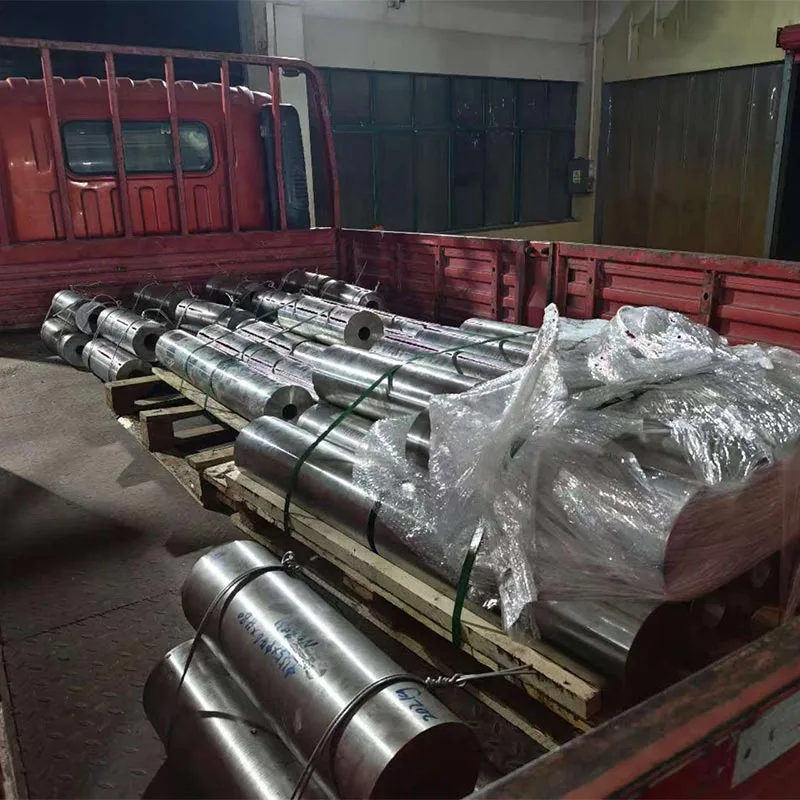
- Packaging: Consider moisture protection, end protection, bundling, labeling, and export transportation.
Providing these details at the quotation stage helps reduce repeated communication and lowers the risk of receiving material that technically matches the product name but does not satisfy the project specification.
Hot Finished vs. Cold Finished Seamless Pipe
Hot finished and cold finished seamless pipes are not simply interchangeable versions of the same product. Their manufacturing routes can influence dimensional precision, surface appearance, mechanical properties, production economics, and suitability for specific applications.
| Factor | Hot Finished Seamless Pipe | Cold Finished Seamless Pipe |
|---|---|---|
| Manufacturing | Primarily shaped at elevated temperature | Additional cold working improves precision and finish |
| Dimensional precision | Suitable for many structural and industrial requirements | Generally preferred where tighter tolerances are required |
| Surface finish | Typically less refined before finishing | Often offers a smoother, more controlled surface |
| Large/heavy dimensions | Often advantageous for larger sizes and heavier walls | May be less economical for certain large dimensions |
The best option depends on the application. If extreme dimensional precision and surface quality are the primary concerns, additional cold finishing may be worthwhile. If larger dimensions, structural requirements, and production efficiency are more important, hot finished seamless pipe can be a practical solution.
Where Is It Commonly Used?
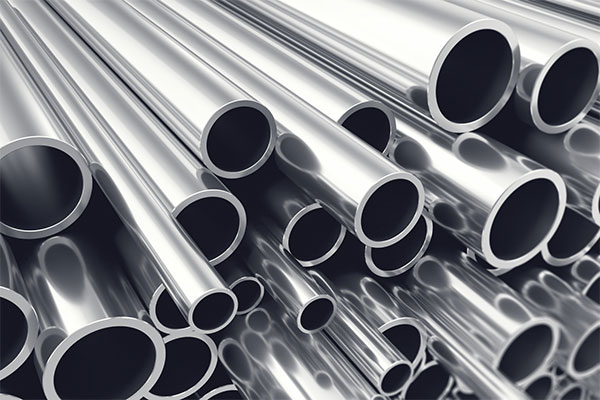
Stainless steel seamless pipe can serve a broad range of industrial requirements. The appropriate grade, dimensions, and specification should always be matched to the actual operating environment.
- Petrochemical processing
- Chemical processing systems
- Oil and gas equipment
- Water treatment systems
- Power generation facilities
- Heat exchanger systems
- Industrial fluid transportation
- Food and beverage processing
- Pharmaceutical equipment
- General structural applications
For corrosive media, buyers should pay particular attention to the chemical composition of the fluid, chloride concentration, temperature, pressure, flow conditions, and possible contamination. A stainless steel grade that performs well in one environment may not be the appropriate choice in another.
How to Control Quality and Reduce Procurement Risk
Quality control should begin before production rather than after the pipe reaches the customer's warehouse. A reliable purchasing process connects material verification, manufacturing controls, inspection, packaging, and documentation.
- Verify material chemistry. Chemical composition should correspond to the specified grade.
- Check dimensions. Outside diameter, wall thickness, length, straightness, and other dimensional characteristics should be inspected according to the applicable specification.
- Review mechanical properties. Tensile strength, yield strength, elongation, hardness, or other properties may be required depending on the standard.
- Inspect surface condition. Surface defects, scale, scratches, contamination, and other issues should be controlled according to the agreed requirements.
- Confirm testing. Hydrostatic, ultrasonic, eddy-current, or other tests may be appropriate depending on product specifications and end use.
- Maintain traceability. Heat numbers, batch information, inspection records, and material certificates can make downstream quality management much easier.
Buyers should also consider how the pipes will be handled after production. Improper storage or transportation can damage surfaces or introduce contamination even when the original manufacturing quality was acceptable.
What to Expect From a Professional Supplier?
Selecting a supplier should not be based on unit price alone. For industrial stainless steel pipe, communication capability, technical understanding, production consistency, inspection procedures, and documentation can have a direct impact on total project cost.
A capable supplier should be able to clarify questions about material grades, standards, dimensions, tolerances, surface requirements, testing, packaging, and lead times before production begins. The supplier should also be transparent about what can be manufactured according to the customer's specification.
Jiangsu Jilaida Nickel based Alloy Co., Ltd. can be considered by buyers looking for a professional partner for stainless steel and nickel-based alloy products. When evaluating any supplier, purchasers should focus on its ability to provide suitable materials, stable manufacturing quality, technical communication, inspection support, and documentation that matches the project requirements.
Supplier Evaluation Checklist
- Can the supplier manufacture the required grade and dimensions?
- Can it provide the required product standard and inspection documentation?
- Are material traceability and batch identification available?
- Can surface, dimensional, and testing requirements be customized?
- Does the supplier understand the intended application?
- Are packaging and transportation requirements clearly discussed?
- Can the supplier communicate technical details clearly before production?
Frequently Asked Questions
What does “hot finished” mean for stainless steel seamless pipe?
It refers to a manufacturing route in which the pipe is primarily formed and sized at elevated temperatures. The term describes the production process rather than a specific stainless steel grade.
Is hot finished seamless pipe corrosion resistant?
Corrosion resistance mainly depends on the stainless steel grade and the service environment. Manufacturing route alone does not determine corrosion resistance. Chemical composition, surface condition, temperature, chloride exposure, and other operating factors must be considered.
What information should I provide when requesting a quotation?
Provide the stainless steel grade, applicable standard, outside diameter, wall thickness, length, quantity, surface requirements, testing requirements, documentation, packaging expectations, and intended application whenever possible.
Is hot finished pipe suitable for high-pressure applications?
Suitability depends on the specific grade, dimensions, wall thickness, manufacturing specification, mechanical properties, design pressure, temperature, and applicable engineering code. The product should be selected and verified according to the actual pressure-service requirements.
What is the main difference between seamless and welded stainless steel pipe?
Seamless pipe is produced without a longitudinal welded joint, while welded pipe is manufactured by forming stainless steel strip or plate and joining the edges. The appropriate choice depends on dimensions, pressure, application requirements, standards, availability, and project economics.
Can stainless steel seamless pipe be customized?
Many industrial pipe projects can specify different grades, dimensions, lengths, surface conditions, inspection requirements, and packaging arrangements. Customization depends on the supplier's production capabilities and the applicable product standard.
How can buyers avoid receiving unsuitable pipe?
The most effective approach is to create a detailed purchasing specification before quotation, confirm the material grade and standard, agree on tolerances and testing requirements, review inspection documentation, and maintain traceability throughout production and delivery.
Final Considerations
Hot finished stainless steel seamless pipe can be an effective solution for industrial projects that require a combination of seamless construction, corrosion resistance, mechanical reliability, and practical manufacturing performance. Its value, however, comes from selecting the right product for the right operating conditions rather than simply choosing stainless steel based on a general specification.
Before purchasing, buyers should confirm the exact material grade, standard, dimensions, tolerances, surface condition, heat treatment, testing, documentation, packaging, and application requirements. Comparing suppliers on technical capability and quality consistency—not just price—can significantly reduce procurement risks and unexpected costs during fabrication or service.
For projects involving stainless steel seamless pipe or nickel-based alloy products, working with a supplier that understands material selection, manufacturing requirements, inspection, and documentation can make the purchasing process more efficient. If you are planning a new project or need a specification-based quotation, contact us to discuss your material, dimensions, application requirements, and delivery needs.
Related News
- What Makes Data Center Liquid Cooling Pipes Reliable for High-Density Computing?
- What Makes Semi-finished 304 Stainless Steel Tube a Practical Choice for Industrial Manufacturing?
- How Does 304 Stainless Steel Seamless Pipe Perform in Industrial Piping and Fabrication?
- What Makes 310S Stainless Steel Seamless Pipe Suitable for High-Temperature Applications?
- How Does 06Cr17Ni12Mo2 Stainless Steel Extruded Seamless Pipe Meet Demanding Industrial Requirements?
- What Makes X5CrNi18-10 Extruded Seamless Pipe a Reliable Choice for Industrial Applications?
Leave me a message