Products
Nuclear Grade Stainless Tube
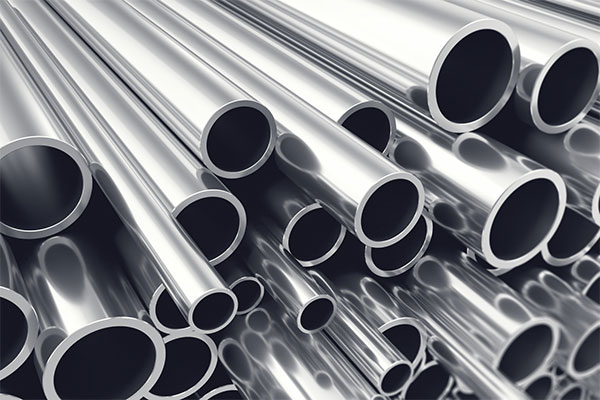
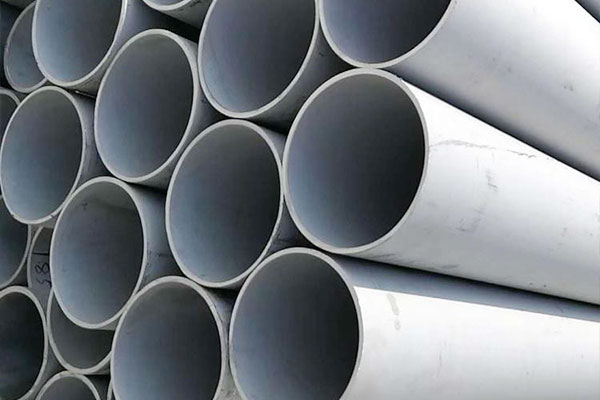
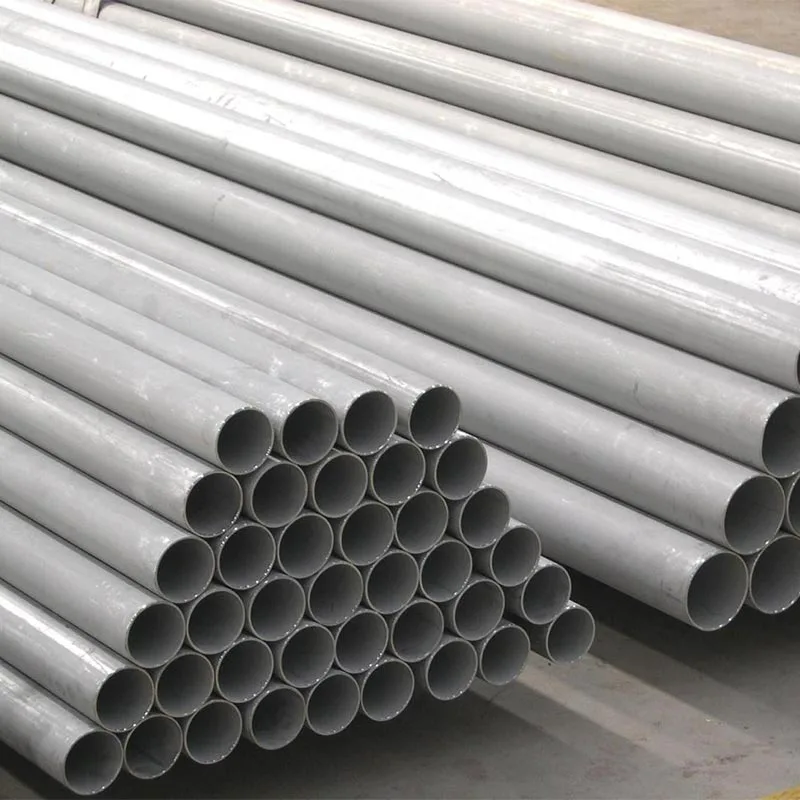
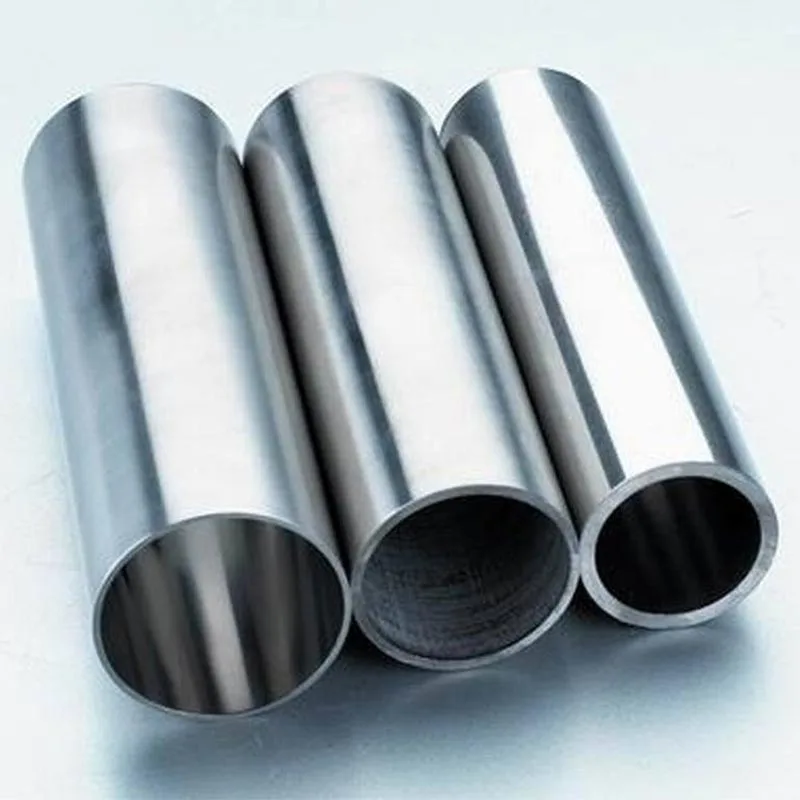
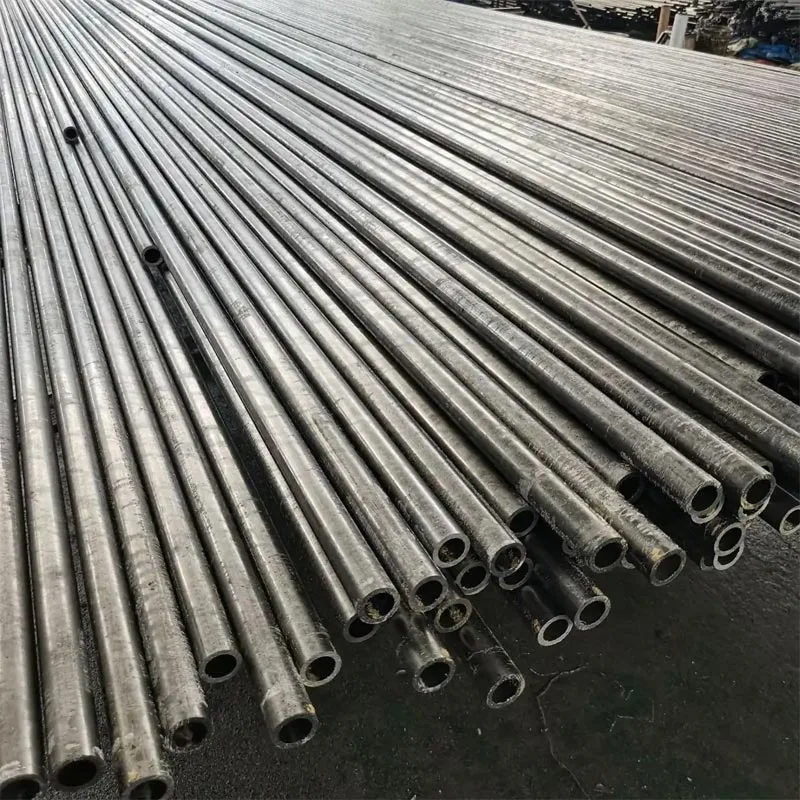
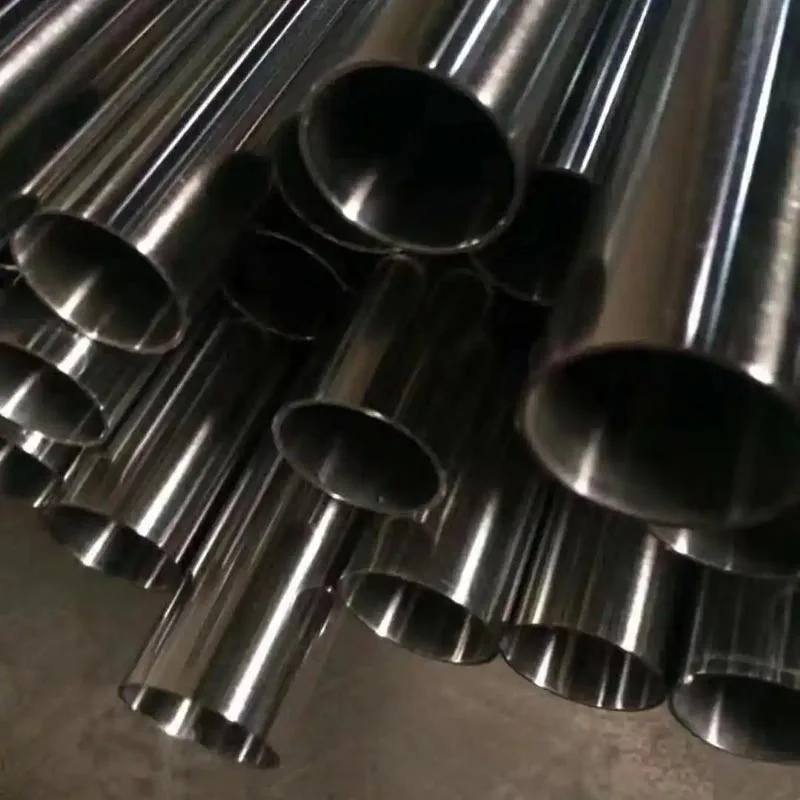
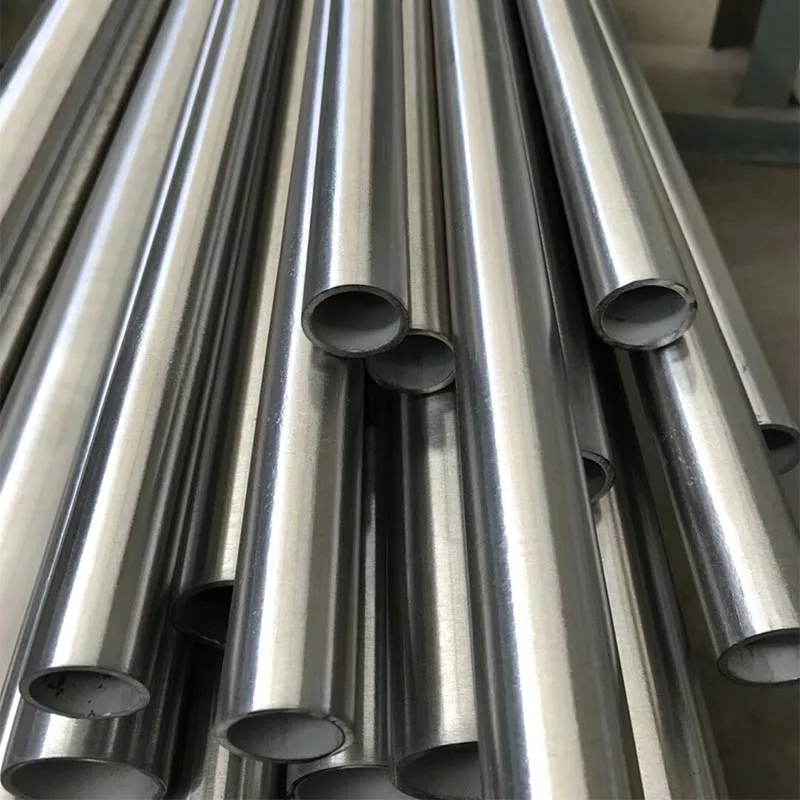
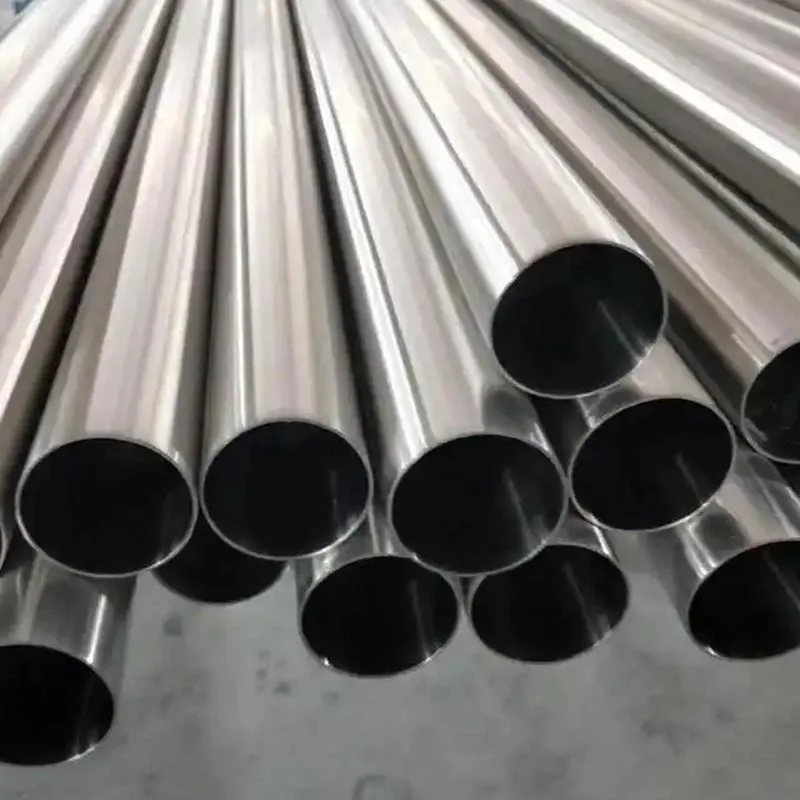
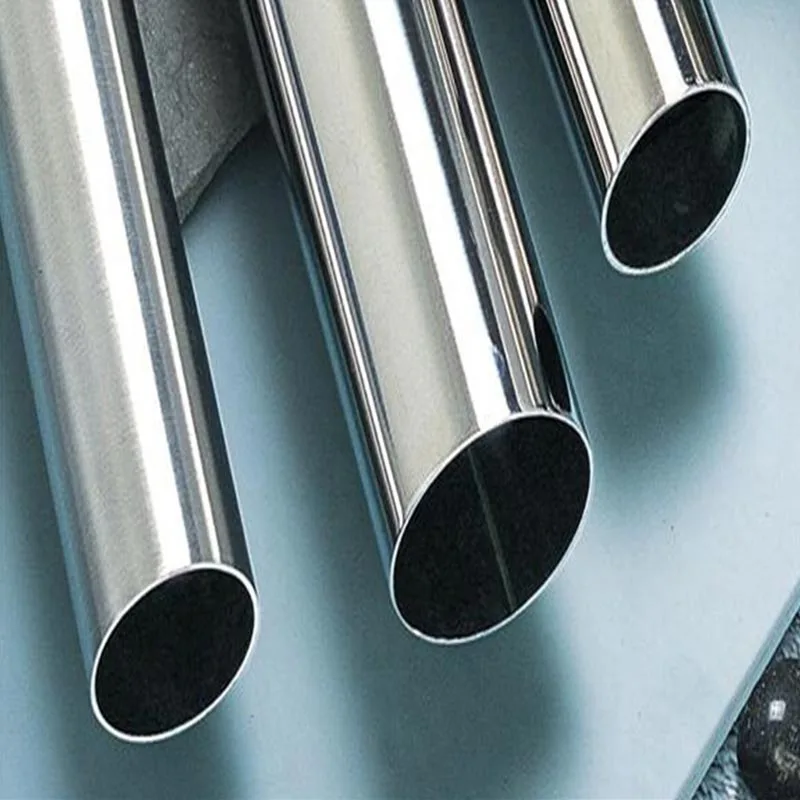
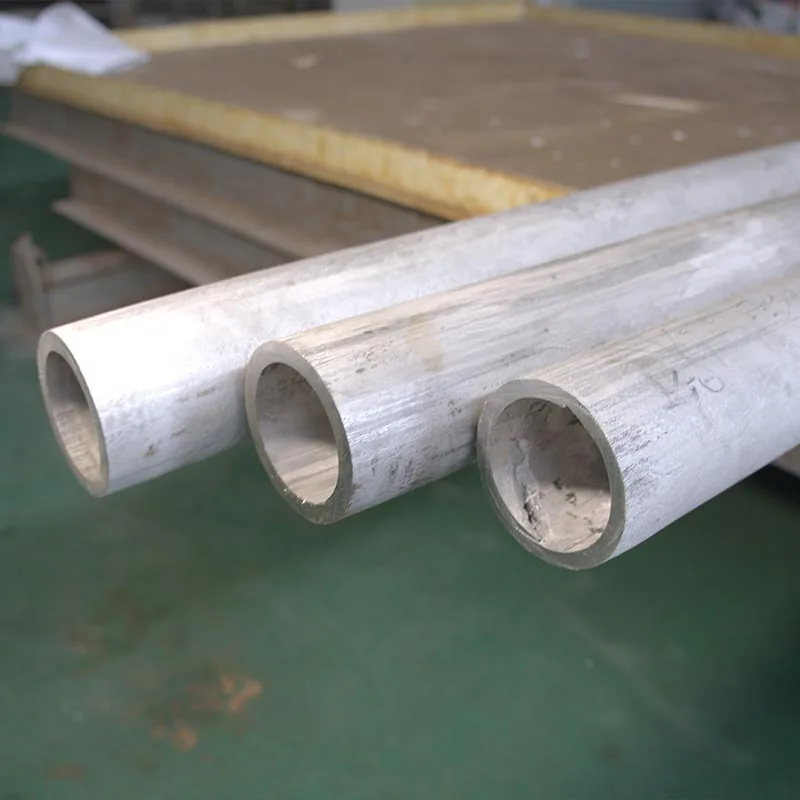
A nuclear grade stainless tube is a hot-extruded seamless product in 304L or 316L austenitic stainless — or Hastelloy C276 / Inconel 625 for the most severe radiation and corrosion duty — produced by Jiangsu Ji Lai Da Nickel-Based Alloy Co., Ltd. under a material control regime far stricter than ordinary industrial tubing. Low carbon eliminates sensitization in reactor coolant; controlled ferrite ensures predictable weld behaviour; every heat is vacuum- or ESR-remelted and 100% PMI-verified, with no re-classified industrial stock admitted.
The tube leaves the press with uniform grain flow and no weld seam, accompanied by a full documentation package: EN 10204 3.1/3.2 MTC, 100% UT and ET reports, hydrostatic test records, ASTM A262 intergranular corrosion test, ferrite number log, PMI verification, and a heat-traceability map from finished tube serial number back to the original melt. Original records are retained for ten years. The product is built for nuclear EPC contractors, reactor vessel fabricators, and QA-regulated plant owners who cannot accept a tube without a closed documentation loop — buyers for whom a missing test report stops construction. These customers specify nuclear grade because industrial tubing skips the intergranular test, accepts wider ferrite bands, and does not require 100% NDT; those shortcuts save money but fail a regulator audit. The core value is traceable compliance: every parameter the code demands — chemistry, mechanical properties, NDT results, ferrite range, corrosion test — is measured, recorded, and linked to a heat number that survives from scrap to finished tube. For projects under ASME III, RCC-M, KTA, or GOST, the document set extends to match the buyer's QA plan. A nuclear grade stainless tube from Jiangsu Ji Lai Da is a component whose paperwork is as reliable as its metal.
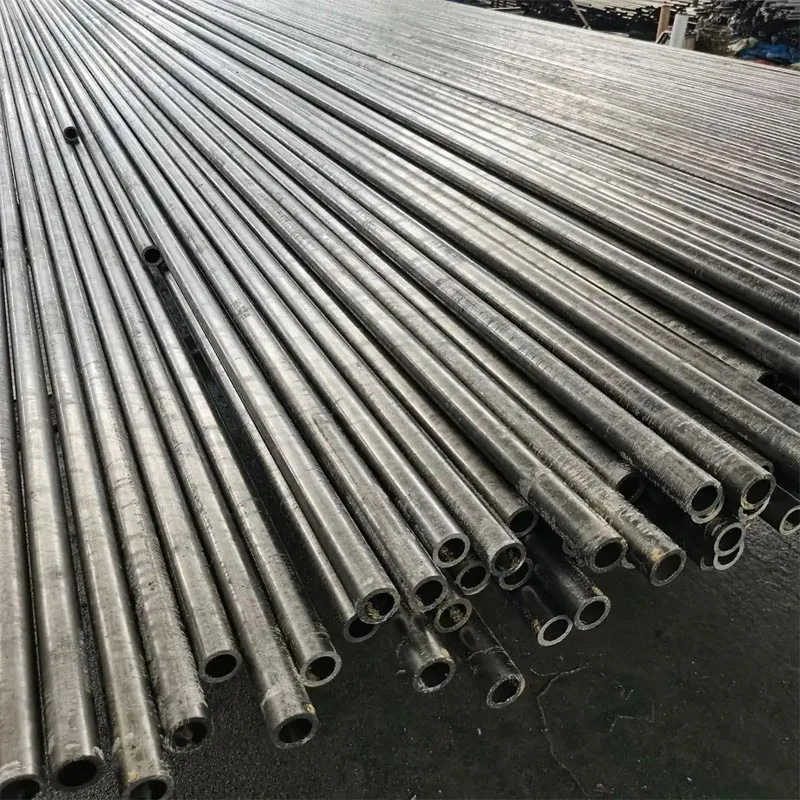
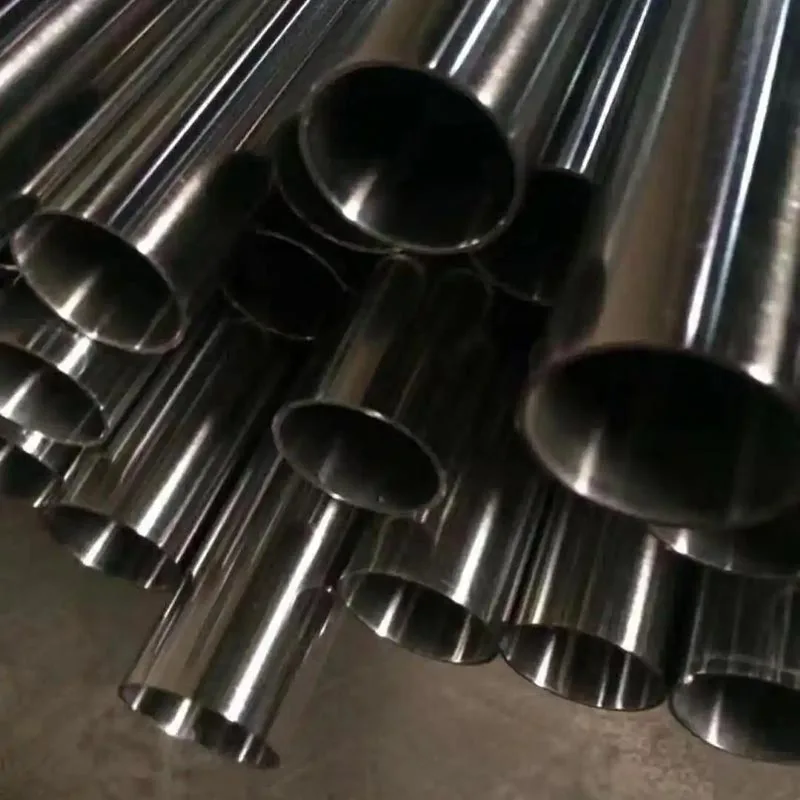
Material Purity — Zero Contamination Tolerance
Reactor-grade water is unforgiving. Low carbon to prevent sensitization, controlled residual elements to avoid long-term activation, and ferrite content held to a narrow band so the welded joint behaves predictably. The nuclear grade stainless tube starts with a vacuum- or ESR-remelted billet and ends with 100% PMI verification on the finished tube. No re-classified industrial stock sneaks in; every heat is dedicated to the nuclear order from the melt shop forward.
Beyond Chemistry — What Nuclear Grade Demands
Specifying "nuclear grade" is not the same as specifying "316L". The chemistry is the easy part — the hard part is everything around it. Jiangsu Ji Lai Da Nickel-Based Alloy Co., Ltd. runs nuclear orders under a documented material control plan that includes: heat-by-heat chemical analysis with narrower limits than the ASTM specification, ASTM A262 Practice E intergranular corrosion test on every heat, ferrite number controlled to the buyer's range (typically FN 0–5 for austenitic stainless), 100% ultrasonic testing per ASTM A213 / A249 with calibration blocks agreed up front, 100% eddy-current testing, hydrostatic test at 1.5× design pressure, and full mechanical testing (tensile, hardness, flattening, flange) per the applicable ASTM and ASME II specifications. A regular industrial tube might skip the intergranular test, accept a wider ferrite range, and not require 100% NDT — those are the savings that industrial buyers enjoy, and that nuclear buyers cannot.
Documentation — The Paper Trail per Heat
Beyond the certificates listed above, the full shipment package includes photomicrographs from the A262 test, UT/ET calibration block records, dimensional inspection reports, and a traceability map that ties each tube serial number to the billet cast sequence and every processing date — piercing, extrusion, drawing, heat treatment. For ASME III, RCC-M, KTA, or GOST projects, the set is extended per the buyer's QA list: typically impact testing at low temperature, additional corrosion coupons, and third-party sign-off on each heat.
Applications — In and Around the Reactor
Primary and secondary coolant piping, heat exchanger tubing in reactor-grade water, containment penetration sleeves, spent fuel storage and handling, waste processing lines, and instrumentation conduits. The nuclear grade stainless tube ends up in auxiliary systems as well — fire protection water, demineralized water, and HVAC condensate lines inside the controlled area, where the same documentation discipline is still required for inspection access.
FAQ
Q1: Why 304L and 316L instead of standard 304/316?
A: The "L" means max 0.035% carbon. Low carbon prevents sensitization — the chromium depletion at grain boundaries that occurs when standard grades are heated during welding or long-term service. In reactor coolant, sensitized stainless becomes vulnerable to intergranular stress corrosion cracking. L-grades eliminate that risk.
Q2: When is C276 preferred over stainless in nuclear service?
A: In high-chloride or high-acid waste streams, and in spent fuel handling systems where stainless may pit over time. C276 resists pitting and crevice corrosion in environments that would challenge even 316L.
Q3: Can you meet specific nuclear codes (ASME III, RCC-M, KTA, GOST)?
A: We produce to the material specification, and our QA system is structured to align with ASME III, RCC-M, KTA 1401, and GOST nuclear codes. Code compliance for the final installation is the buyer’s responsibility, but we provide full test data and certificates to support your qualification process. Let us know which code applies and we will align our documentation accordingly.
Send Inquiry
Contact Info
-
Address
No. 521 Zhonghui Road, Huishan District, Wuxi City, Jiangsu Province, China
-
Tel
-
Email
Request a quotation from JILAIDA, a professional stainless steel and nickel based alloy seamless pipes and nickel based alloy forged round bar manufacturer in China. Get factory price, customized solutions and reliable supply.
News Recommendations