Products
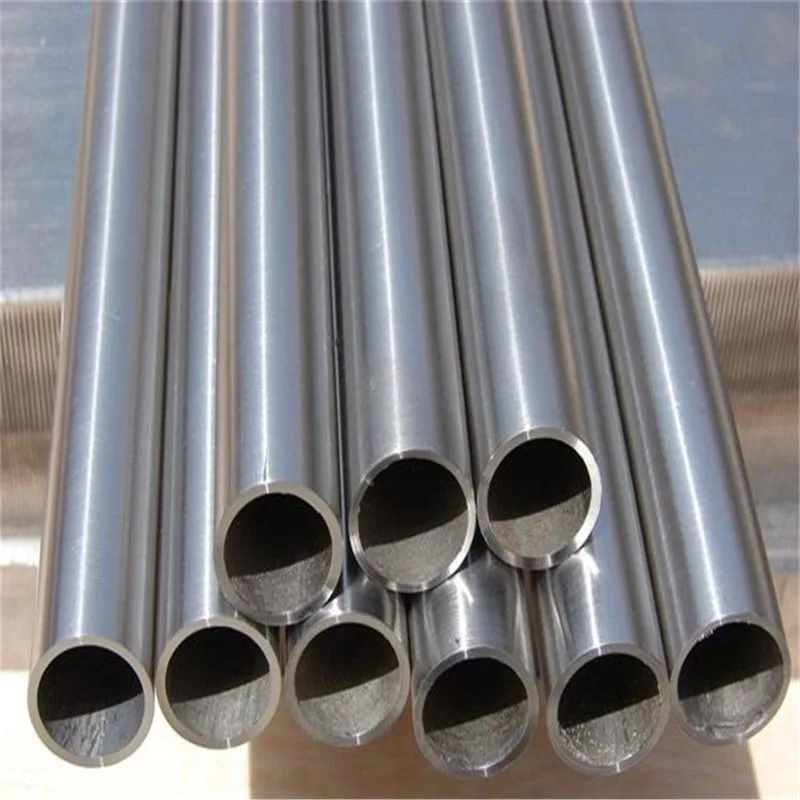
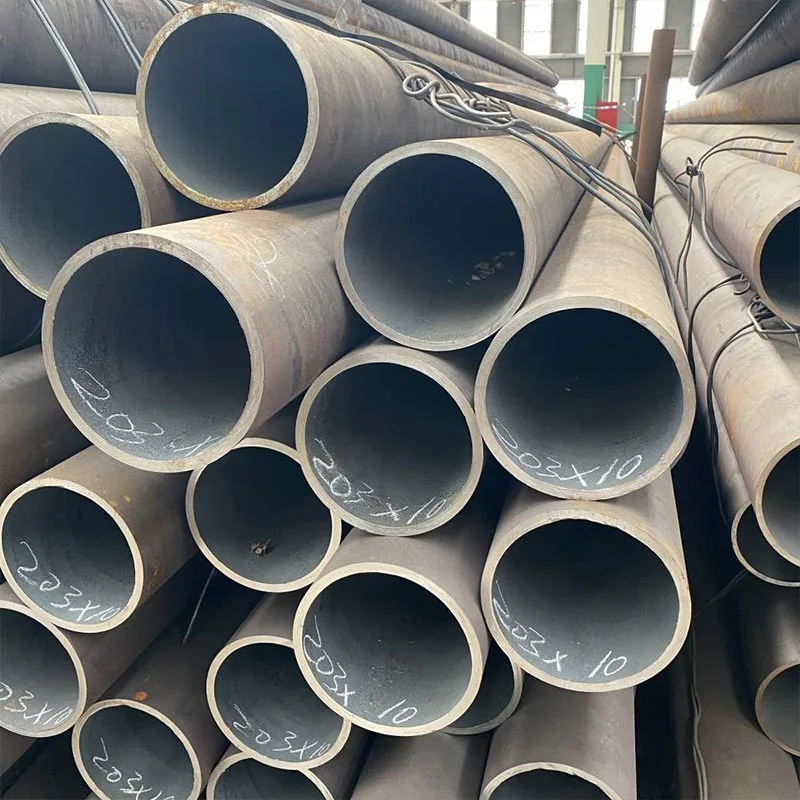
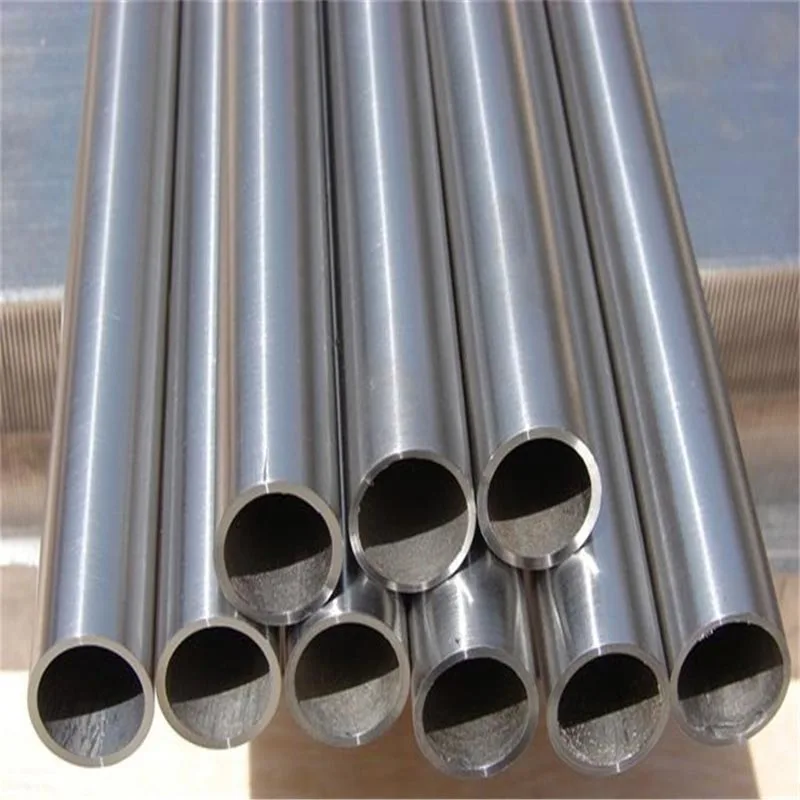
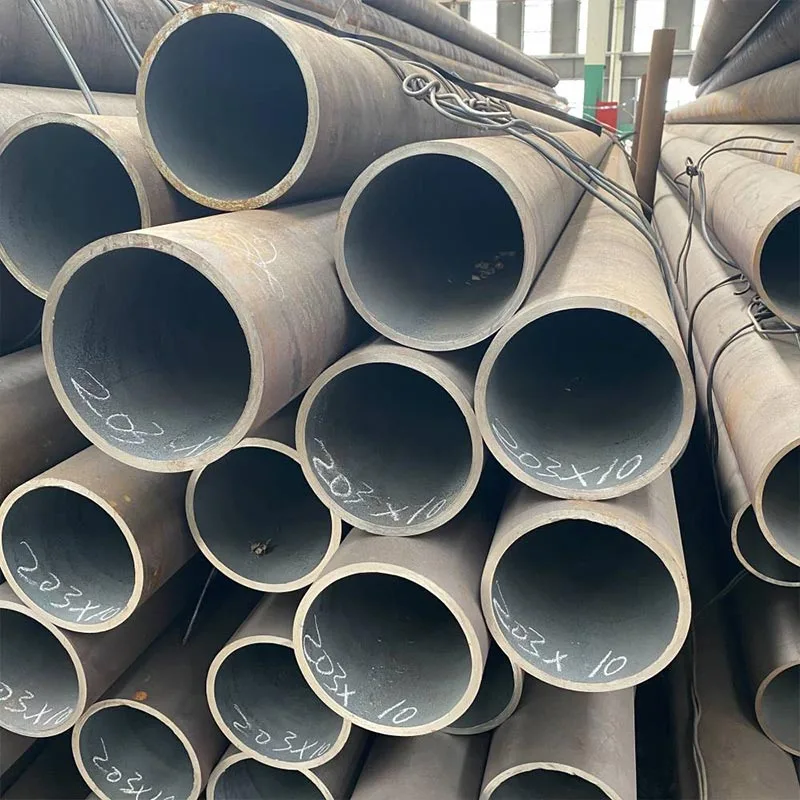
03Х20Н25 Extruded Seamless Pipe
The difference between 08Х20Н25 and 03Х20Н25 is three hundredths of a percent carbon. That's it — 0.08% vs 0.03%. But those three hundredths determine what happens at the weld. When a standard-carbon austenitic alloy is heated above 450 °C and held in the 450–850 °C range — exactly what happens next to a weld bead — chromium carbides precipitate at grain boundaries. The chromium-depleted zone beside each carbide becomes a narrow corridor where corrosion resistance drops to a fraction of the base metal. In chloride service, those corridors become initiation sites for intergranular attack. The 03Х20Н25 extruded seamless pipe from JILAIDA factory eliminates this risk at the source: with carbon capped at 0.03%, there isn't enough free carbon to form harmful carbides, regardless of thermal history. You weld it, and the heat-affected zone stays as corrosion-resistant as the parent metal.
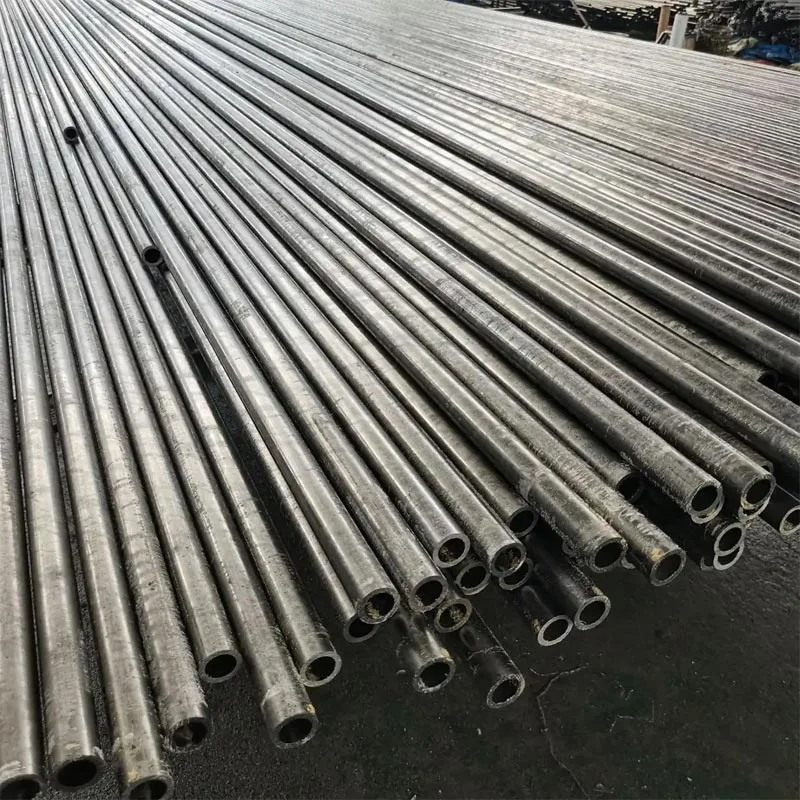
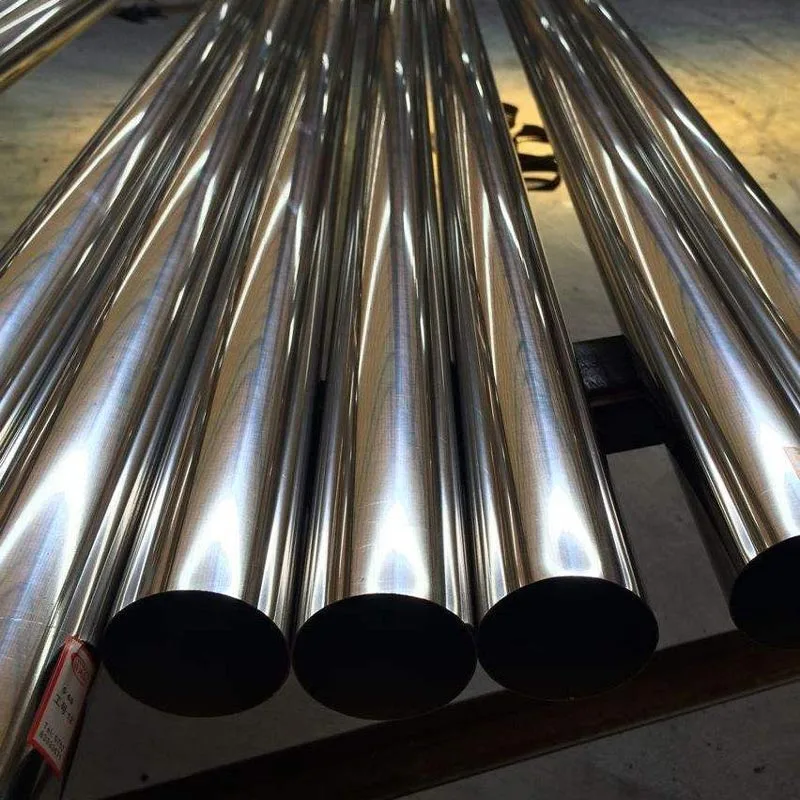
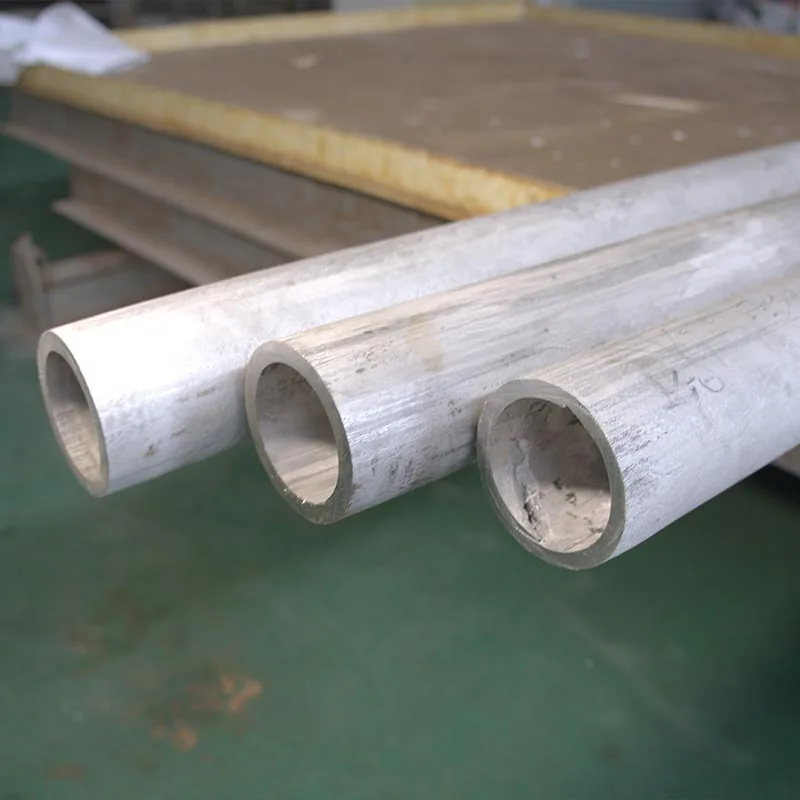
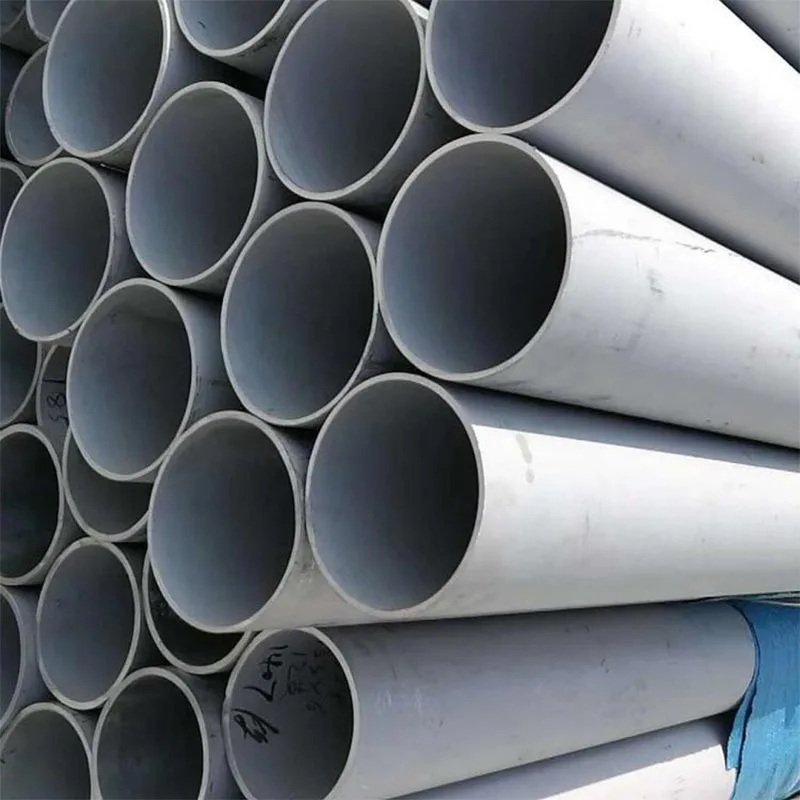
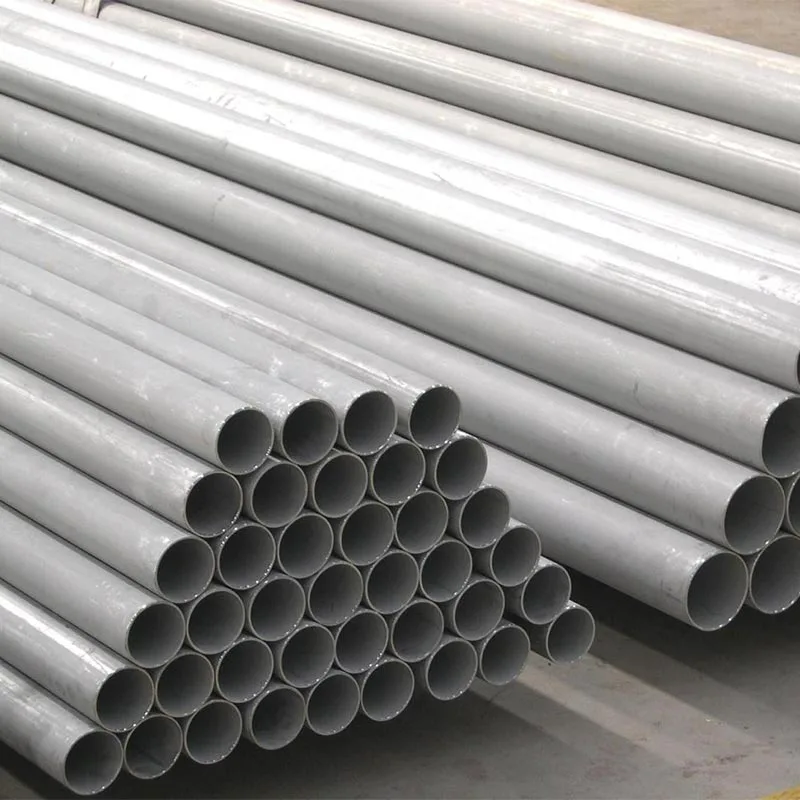
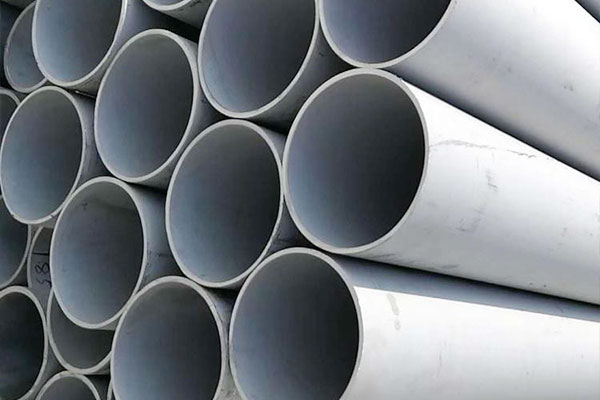
As a professional Chinese manufacturer and direct supplier of nickel-based alloy seamless pipes, Jilaida produces 03Х20Н25 extruded seamless pipes using a hot extrusion process—where the billet is heated to over 1100°C and forced through a die in a single pass. These pipes feature no longitudinal welds or weak points associated with heat-affected zones, maintain a wall thickness tolerance of ±0.3 mm, and achieve a product yield exceeding 95%.
What the Same Metal Is Called in Different Markets
| Country / Region | Standard | Designation | UNS / EN No. |
| Russia / CIS | GOST 5632 / 9940 | 03Х20Н25 | — |
| UAE / Qatar | ASTM A312 | TP317L / N08925* | N08925 |
| Saudi Arabia | ASTM A312 / SASO | TP317L* | S31703 |
| Kuwait / Bahrain | ASTM A312 | TP317L* | S31703 |
| India | IS 6911 / ASTM | 022Cr25Ni7Mo4N* | — |
| Thailand | TIS / JIS G 3459 | SUS317L-TP | — |
| Myanmar / Bangladesh | ASTM A312 | TP317L* | S31703 |
| Egypt / North Africa | EOS / ASTM A312 | TP317L* | S31703 |
| Pakistan | PS / ASTM A312 | TP317L* | S31703 |
Closest commonly specified equivalents. 03Х20Н25 composition may not exactly match all listed grades — verify with your project's material engineer for code acceptance.
Why Low Carbon and Seamless Belong Together
A welded pipe has two vulnerability zones: the longitudinal seam itself, and the heat-affected zones on either side of every circumferential girth weld during installation. A seamless pipe eliminates the first. The low-carbon chemistry of 03Х20Н25 neutralizes the second. Together, they give you a pipe system where every square centimeter of metal — mill seam, field weld, and parent tube — carries the same corrosion resistance. No weak ring, no preferential attack path. For plants running continuously for years without planned shutdowns — LNG trains in Qatar, ammonia units in Saudi Arabia, continuous-process chemical plants in India — that uniformity isn't a luxury. It's a reliability requirement.
Jiangsu Ji Lai Da Nickel-Based Alloy Co., Ltd. produces the 03Х20Н25 extruded seamless pipe by hot extrusion: billet heated above 1100 °C, pressed through a die in one stroke, forming a seamless hollow with continuous grain flow. Wall thickness held within ±0.3 mm. Yield above 95%. No longitudinal seam to x-ray, no filler metal to qualify, no HAZ from the manufacturing process itself.
Extruded Range
| Parameter | Value | Note |
| OD | 6 – 89 mm | Full extrusion capability |
| Wall Thickness | 3 – 9 mm | ±0.3 mm |
| Length | 3000 – 10000 mm | Custom lengths available |
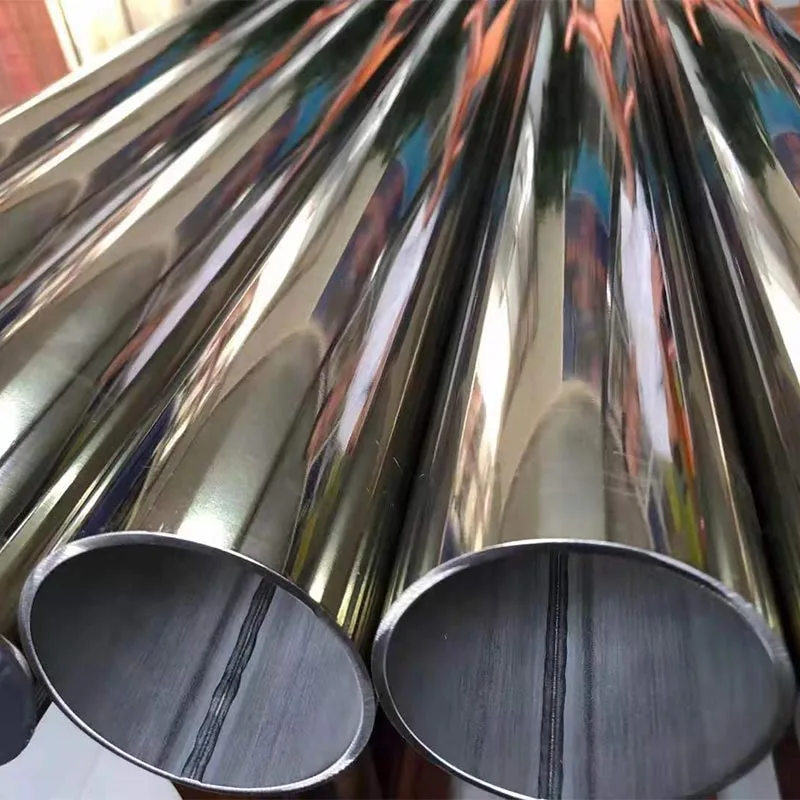
| Surface | Pickled / Polished | Pickled is standard |
| Draw stock | OD 89 × WT 9 mm | Semi-finished hollow |
Installations That Specify This Grade
LNG liquefaction trains where pipe sections are welded into long headers that cannot be post-weld annealed — the low-carbon chemistry is the only practical way to maintain HAZ corrosion resistance. Ammonia and urea plant high-pressure loops where carbamide and ammonium carbamate attack sensitized grain boundaries faster than the surrounding metal. Desalination high-temperature brine recirculation lines where the 25% nickel resists chloride stress cracking and the 0.03% carbon keeps the weld zone immune to intergranular attack. Refinery sour water strippers where H₂S and chlorides coexist at elevated temperature.
In each case, the 03Х20Н25 extruded seamless pipe is chosen because the alternative — standard-carbon Х20Н25 with post-weld solution annealing — is either impractical (field welds that can't be furnace-annealed) or uneconomical (the cost of annealing every weld joint exceeds the premium on L-grade material). The low-carbon route solves the problem for less total installed cost.
Requesting a Quotation
Include the designation from your project spec — GOST 03Х20Н25, ASTM A312 TP317L, or the equivalent your design references. Jiangsu Ji Lai Da Nickel-Based Alloy Co., Ltd. certifies to the standard you specify on the EN 10204 3.1 MTC with complete heat analysis, tensile and yield data, and intergranular corrosion test results. Factory-direct China supplier, FOB / CIF / DDP to Jebel Ali, Ras Laffan, Yanbu, Mundra, Tuticorin, or any port in your supply chain. ISO 9001 + 4 additional certifications. Pricing and delivery within one business day of your RFQ.
FAQ
Q1: Does the lower carbon reduce the strength of 03Х20Н25 compared to 08Х20Н25?
A: Slightly. The reduction in carbon decreases the room-temperature yield strength by roughly 10–20 MPa — a small margin in most pressure piping designs. The tensile strength difference is even smaller. In practical design, this difference rarely changes the selected wall thickness. If your calculation is borderline, we can provide the exact mechanical data for the specific heat before you commit.
Q2: Is intergranular corrosion testing included on the MTC?
A: Yes. We test per ASTM A262 Practice A or E (or GOST 6032 for CIS-destined shipments) and report the result on the certificate. For L-grade material, this test is standard practice — it confirms that the low-carbon chemistry is doing its job and no sensitization occurred during processing.
Q3: Can I use 03Х20Н25 where the spec calls for 08Х20Н25?
A: In most cases yes — the L-grade meets or exceeds the requirements of the standard-carbon grade because the composition is a subset (lower carbon, everything else equivalent). But some older GOST designs may not list the L-grade as an approved alternative. If your spec doesn't explicitly allow substitution, you'll need a material substitution request through your design authority.
Q4: What filler wire for welding 03Х20Н25?
A: An over-alloyed filler is standard practice. ERNiCrMo-3 (Alloy 625 filler) or ERNiCr-3 (Alloy 82) both work — the choice depends on whether your service environment also contains chlorides (if yes, the Mo-bearing ERNiCrMo-3 is preferred). The filler doesn't need to match the base metal exactly; it needs to be at least as corrosion-resistant.
Q5: How does this compare to 316L for the same application?
A: 316L is the low-carbon version of 316 (~12% Ni). 03Х20Н25 is the low-carbon version of a 25% Ni grade. The nickel difference is the story: 25% nickel resists chloride stress corrosion cracking at temperatures where 316L — even in L-grade form — would crack. The low carbon in both prevents sensitization, but only the higher nickel in 03Х20Н25 addresses the SCC mechanism.
Q6: What's the lead time for 03Х20Н25 compared to the standard-carbon version?
A: Typically the same — 4–6 weeks for standard sizes. The low-carbon requirement doesn't add a process step; it's controlled at the melting stage. If we're producing 08Х20Н25 in the same diameter, we can often schedule an L-grade heat in the same campaign. Mention it at RFQ and we'll optimize the schedule.
Hot Tags: 03Х20Н25 Extruded Seamless Pipe
Send Inquiry
Contact Info
-
Address
No. 521 Zhonghui Road, Huishan District, Wuxi City, Jiangsu Province, China
-
Tel
-
E-mail
Request a quotation from JILAIDA, a professional stainless steel and nickel based alloy seamless pipes and nickel based alloy forged round bar manufacturer in China. Get factory price, customized solutions and reliable supply.