Products
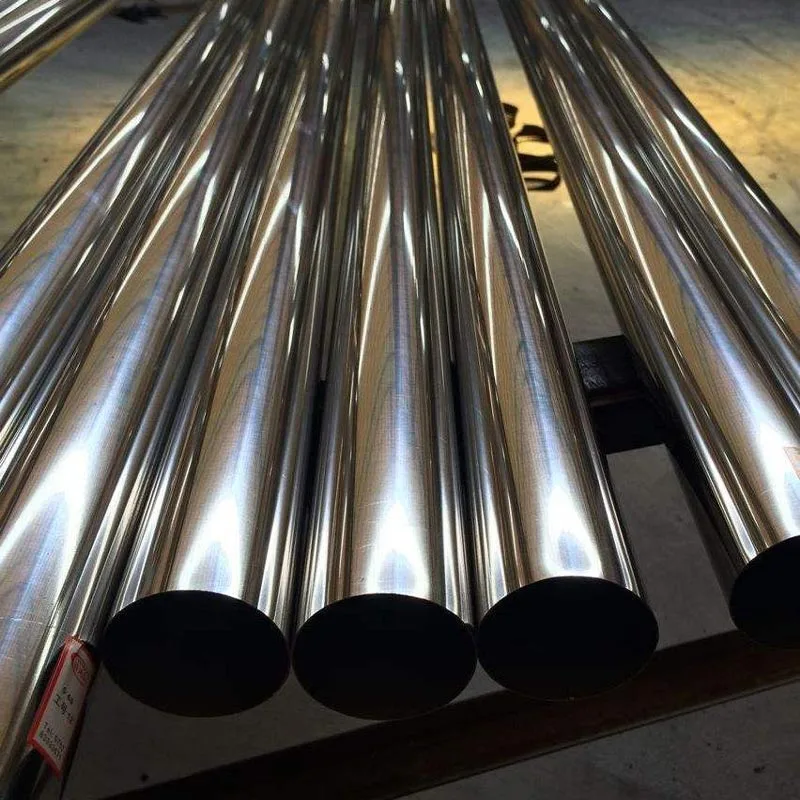
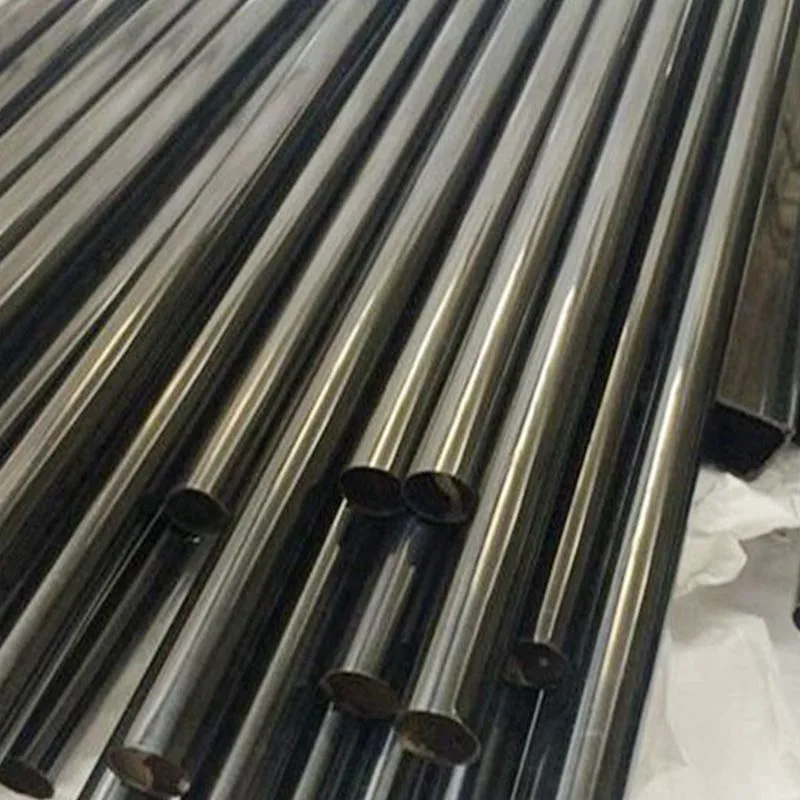
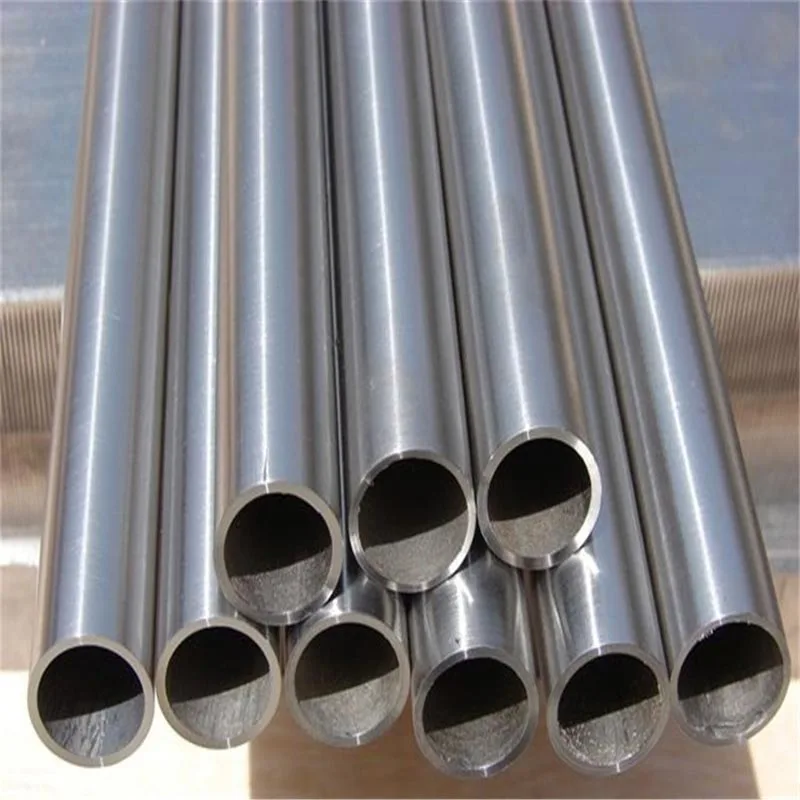
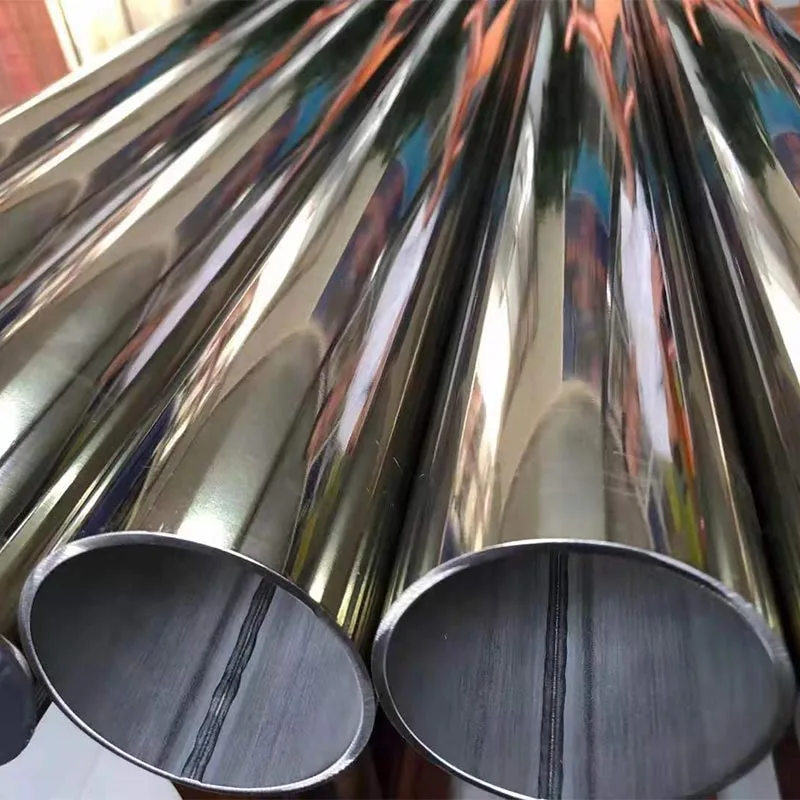
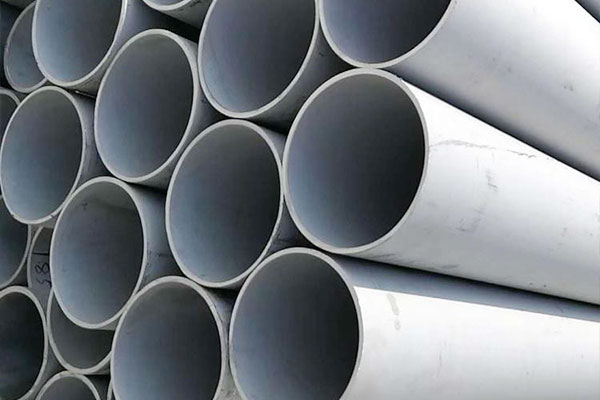
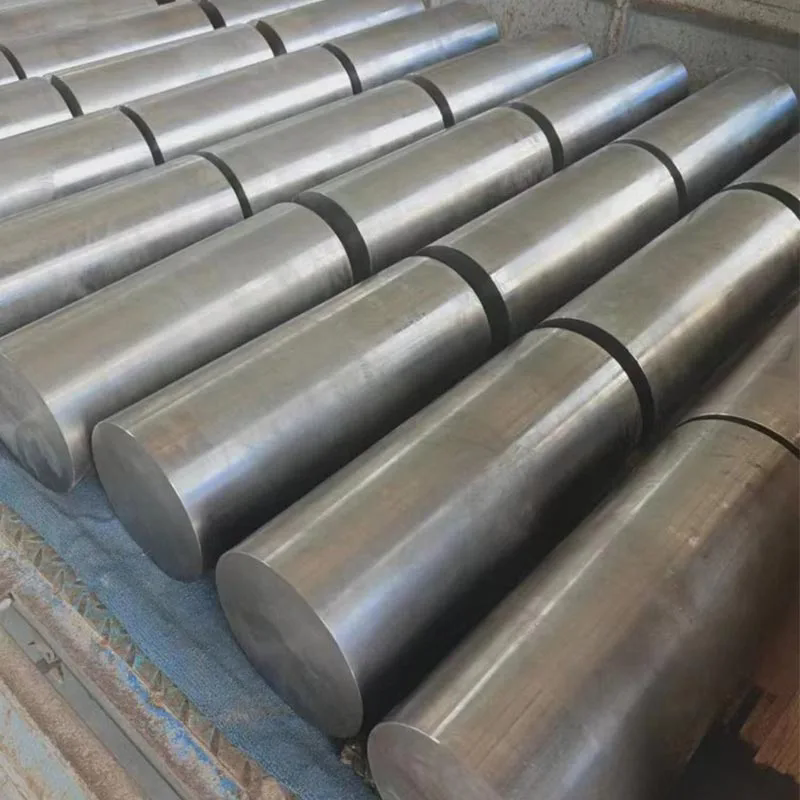
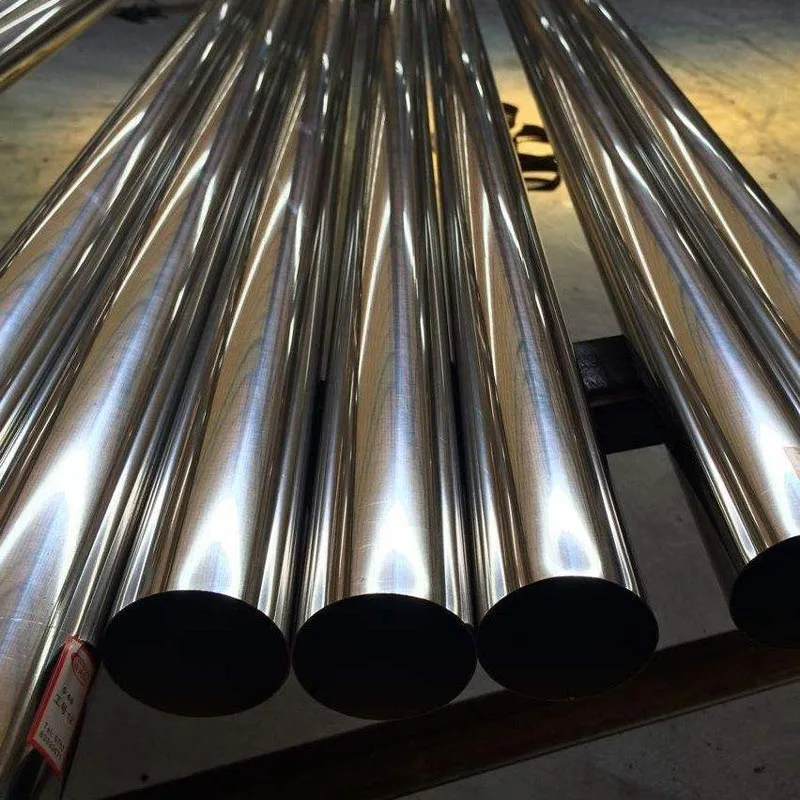
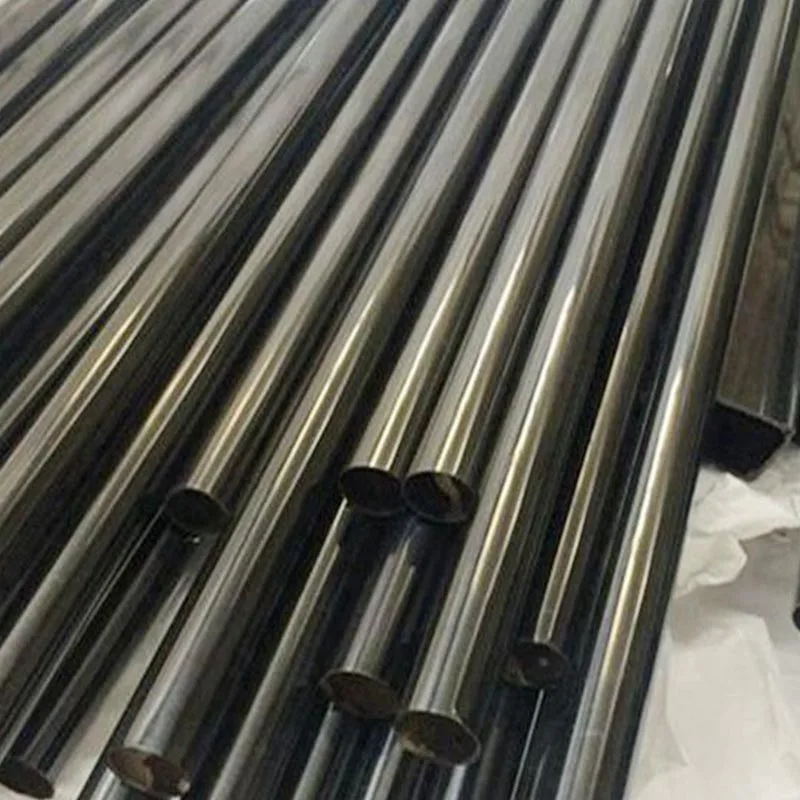
Heat Resistant Stainless Steel Tube
A heat resistant stainless steel tube is specified wherever a process runs hot enough to destroy ordinary austenitic grades — ethylene cracking furnaces at 1050 °C, hydrogen reformer outlets under thermal shock, supercritical boiler superheaters, waste-to-energy flue-gas ducts, concentrated solar receiver loops carrying molten salt, glass-melting regenerator stacks, and aerospace hot-gas-path ducting.
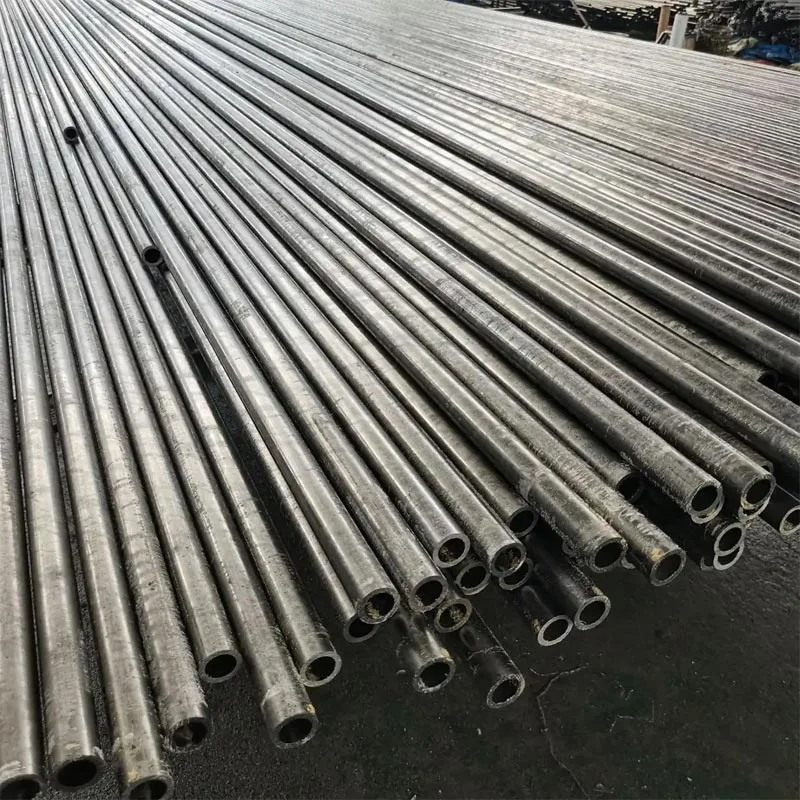
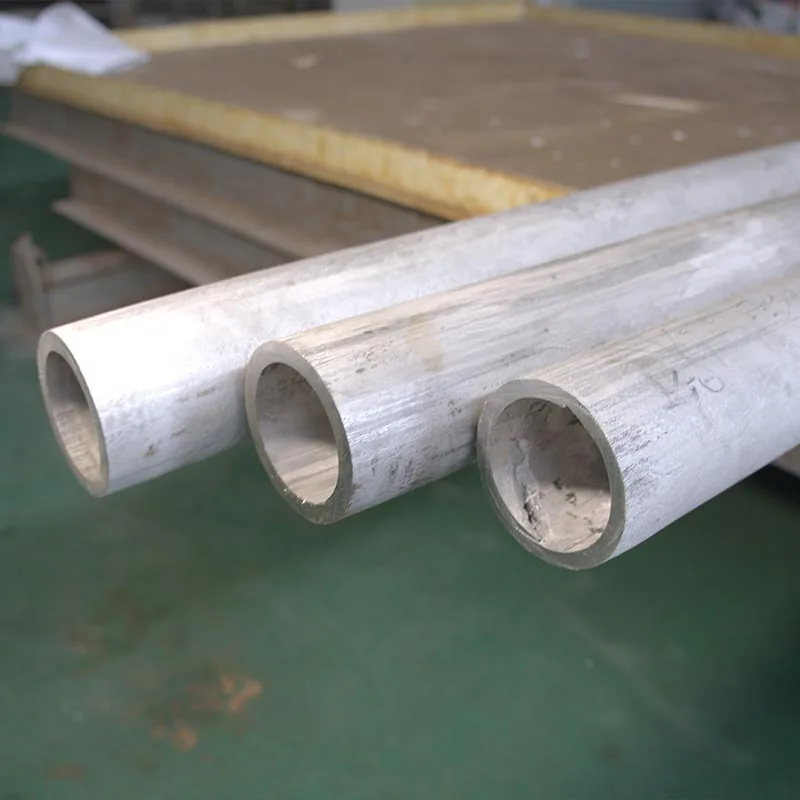
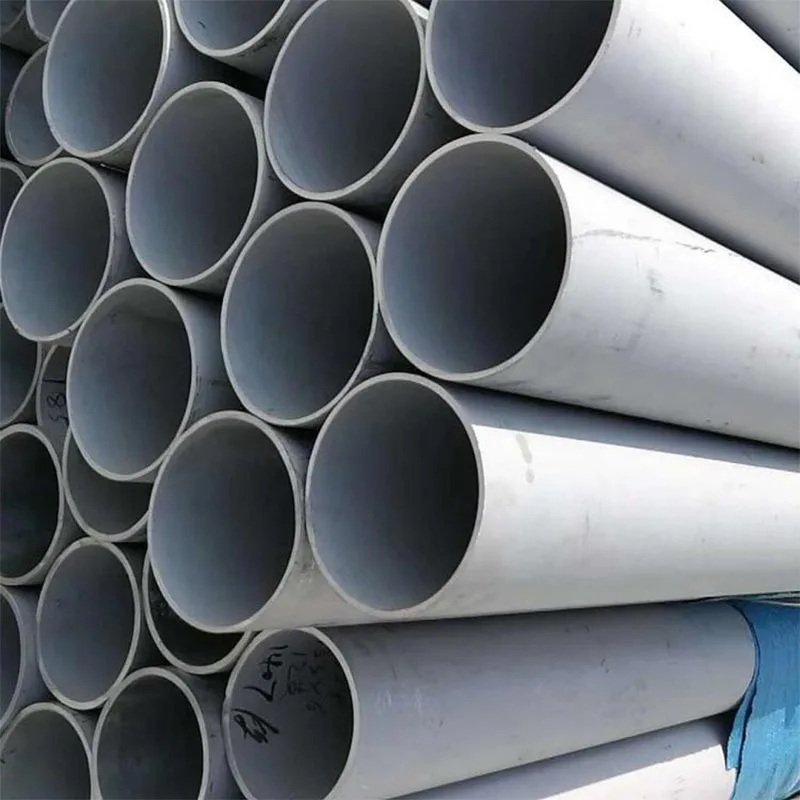
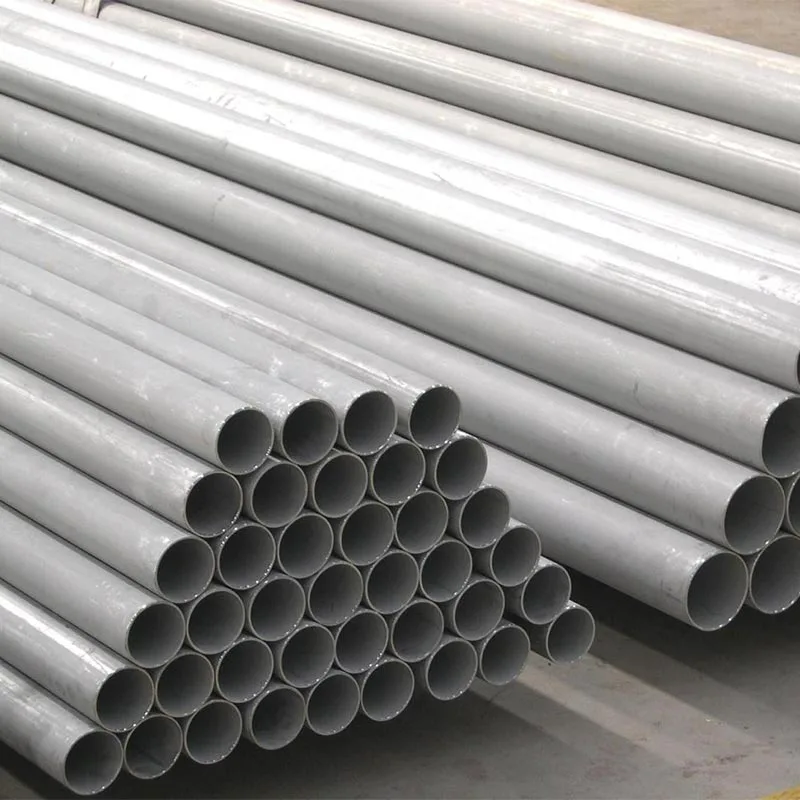
Jiangsu Ji Lai Da Nickel-Based Alloy Co., Ltd. supplies these tubes in 310, 310S, 304H, 321H, N06625, and Inconel 718, each grade selected for a specific band on the continuous-service temperature curve: 304H and 321H for economizer and superheater duty below 650 °C; 310 and 310S for the 650–900 °C range where oxidation resistance matters more than high-end strength; nickel alloys for the 900–1100 °C zone and beyond where 310 simply cannot hold mechanical load. Every heat resistant stainless steel tube is hot-extruded seamless, eliminating the weld seam that becomes a stress-concentration point under thermal cycling and guaranteeing uniform wall thickness end to end across thousands of expansion-contraction cycles. Procurement teams in the Gulf, India, and Southeast Asia source a heat resistant stainless steel tube from Ji lai da because each heat ships with an EN 10204 3.1 Material Test Certificate, third-party inspection by SGS, BV, or TUV is available on request, and the mill operates under ISO 9001 — documentation that EPC contractors require before they will release material into a pressure boundary. The factory-direct model removes the trading-company markup and the risk of off-spec delivery: the heat number on the MTC matches the stamp on every tube, and the full certificate package travels with the shipment in a waterproof sleeve. Whether you are procuring replacement radiant tubes for an ethylene plant or specifying Inconel ducting for a new turbofan program, buying direct from the China manufacturer means the price you see is the mill price — no middle-layer markup. Send an RFQ with your grade, size, temperature requirement, and preferred Incoterm to receive a quotation from Jiangsu Ji Lai Da Nickel-Based Alloy Co., Ltd.
Molten Salt to Turbofan
Some of the most demanding heat resistant stainless steel tube orders Jiangsu Ji Lai Da Nickel-Based Alloy Co., Ltd. fills are not standard furnace work. Concentrated solar power plants circulate molten salt at 565 °C; receiver tubes need 310 or 321H for combined thermal cycling and chloride exposure. Glass-melting regenerator stacks run 310S at 1100 °C in alternating firing cycles. Semiconductor equipment uses 310 and Inconel for high-temperature gas lines that must stay particle-clean. Aerospace DLE combustor ducting specifies Inconel 718 for oxidation resistance and fatigue strength at 900–1000 °C. These are engineering partnerships, not commodity orders — they start with a metallurgy conversation and end with a tube made to drawing.
Cracker, Reformer, Boiler
Ethylene cracking furnace radiant tubes are the largest single application. Inside an ethane cracker, the radiant tube runs at 950–1050 °C, seeing oxidation from the furnace side and carburization from the hydrocarbon side for a 5–7 year run between decokes. Jiangsu Ji Lai Da Nickel-Based Alloy Co., Ltd. supplies HK40, N06625, and 310S radiant tubes to Gulf and Indian ethylene plants on replacement-cycle schedules. Reformer outlet pigtails and hairpins in hydrogen plants are the next use case — smaller diameter, but the metallurgy must handle thermal shock on every trip. In power generation, superheater and reheater tubing (304H, 321H) is the bread-and-butter; in waste-to-energy plants, 310 or 309 handles the more corrosive flue gas.
Above 500 °C, 304 Is Finished
Ordinary stainless starts losing half its yield strength above 500 °C and scaling badly around 800 °C. The grades Jiangsu Ji Lai Da Nickel-Based Alloy Co., Ltd. runs for heat resistant stainless steel tube are picked for a different curve. 310 alone handles continuous service at 1150 °C in air; the nickel grades go further, keeping their strength where 310 can only survive. Hot extrusion is the forming process that gets a uniform austenitic structure into a thin wall at this diameter range without the grain-coarsening problem of as-cast tubes.
Temperature × Grade
| Continuous Service Temperature | Grade Match |
| Up to 650 °C | 304H / 321H — economizer and superheater tubing |
| 650 – 900 °C | 310 / 310S — furnace radiant tubes, reformer outlets |
| 900 – 1100 °C | N06625 / Inconel 625 — ethylene cracking, hot salt service |
| Above 1100 °C | Inconel 718 / GH4169 — aerospace, hot gas path, turbine DLE |
Heat-Resistant Tube — Buyer FAQ
Q1: What is the difference between 310 and 310S?
A: Carbon content. 310S is the low-carbon variant (<0.08%), which reduces sensitization and intergranular corrosion after welding or prolonged high-temperature exposure. If your tube will be welded into an assembly, 310S is usually the safer pick.
Q2: When should I step up from 310 to a nickel alloy?
A: If you need mechanical strength — not just oxidation resistance — above 800 °C, 718 or N06625 outperform 310 significantly. If your atmosphere is reducing rather than oxidizing, nickel alloys are also more stable. For pure oxidation resistance in air, 310 is usually sufficient and much cheaper.
Q3: Does thermal cycling cause problems?
A: Repeated heating and cooling causes thermal fatigue, especially at stress concentrations like weld seams. That is another reason seamless is preferred for high-temperature service — no seam, no concentrated thermal stress. Our extruded tubes distribute thermal strain evenly.
Hot Tags: Heat Resistant Stainless Steel Tube Manufacturer, Heat Resistant Steel Pipe Supplier, High Temperature Stainless Steel Tube Wholesale
Send Inquiry
Contact Info
-
Address
No. 521 Zhonghui Road, Huishan District, Wuxi City, Jiangsu Province, China
-
Tel
-
E-mail
Request a quotation from JILAIDA, a professional stainless steel and nickel based alloy seamless pipes and nickel based alloy forged round bar manufacturer in China. Get factory price, customized solutions and reliable supply.