Products
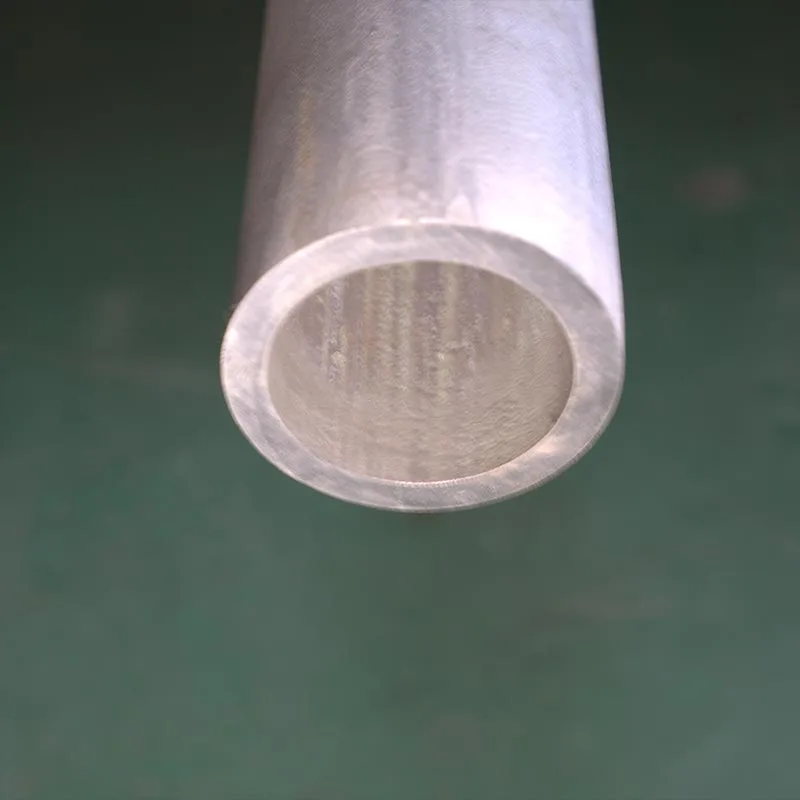
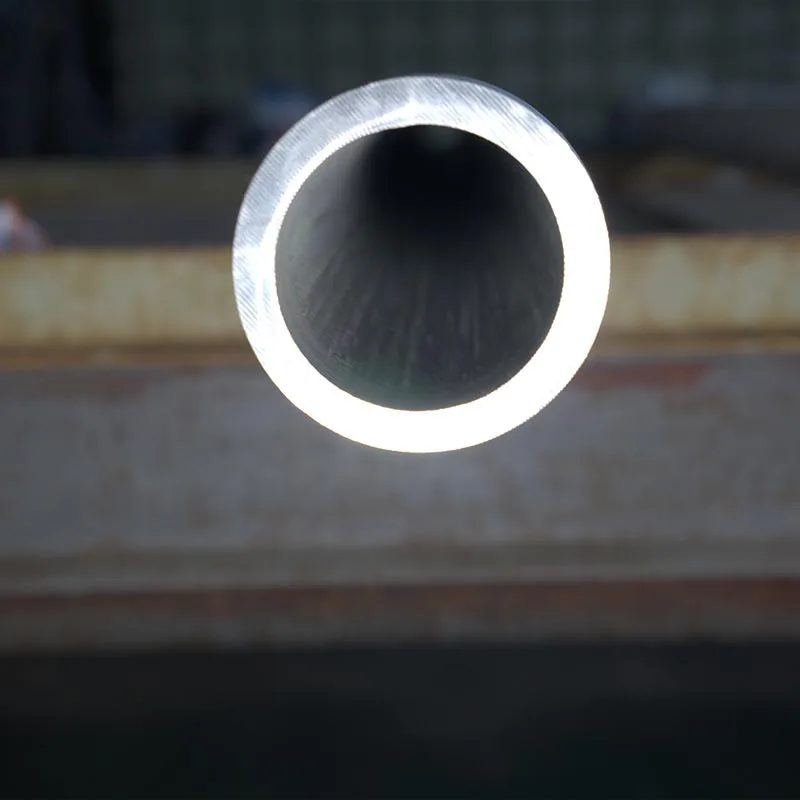
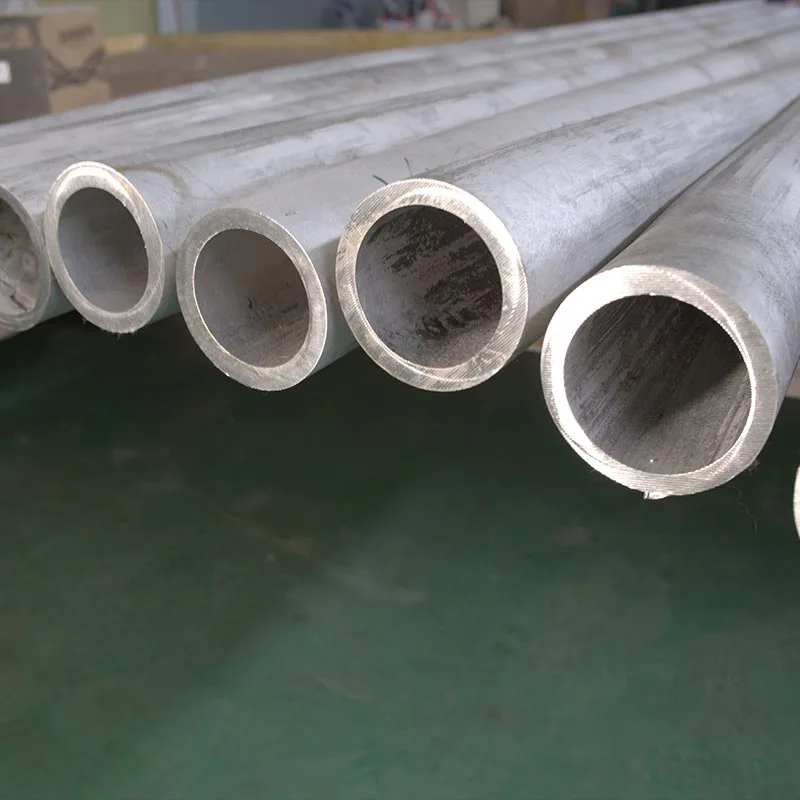
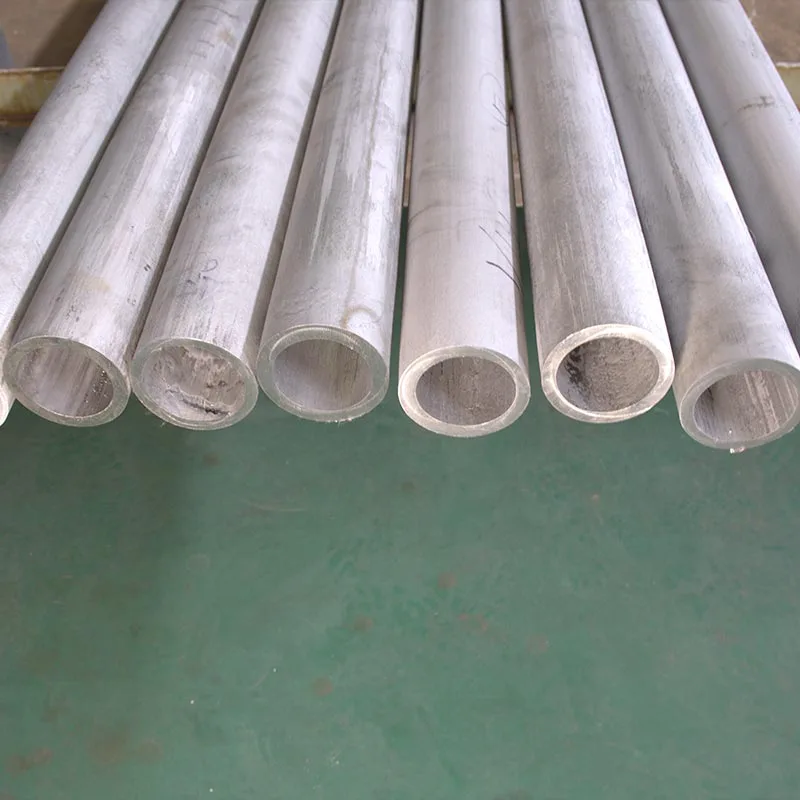
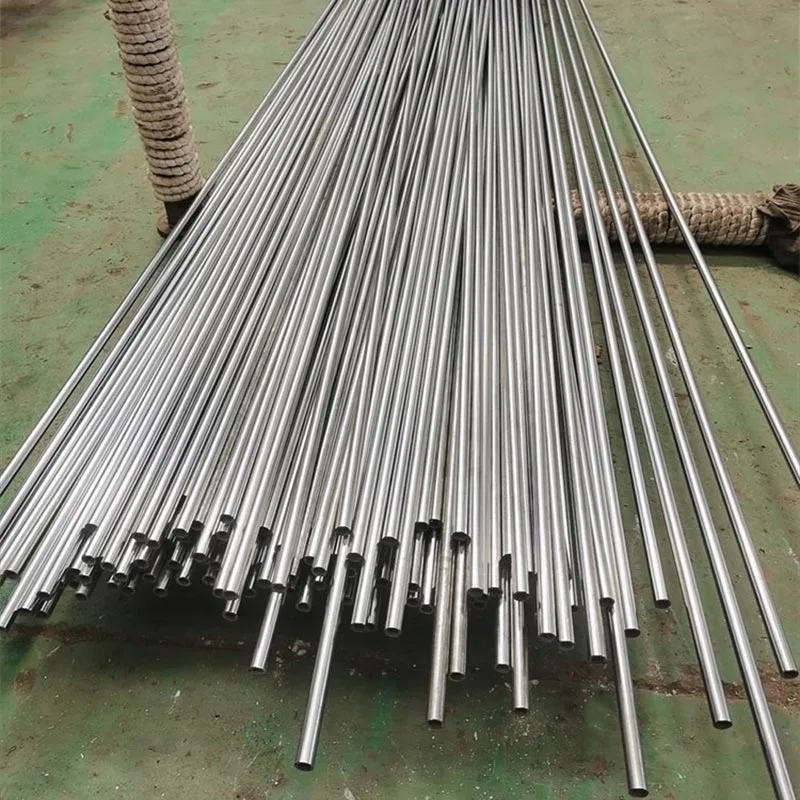
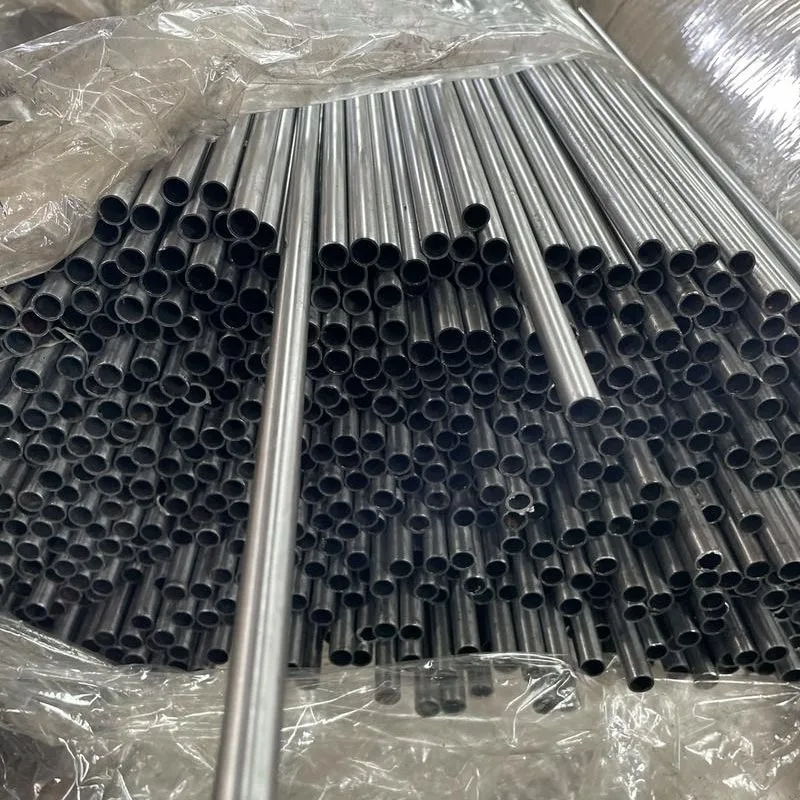
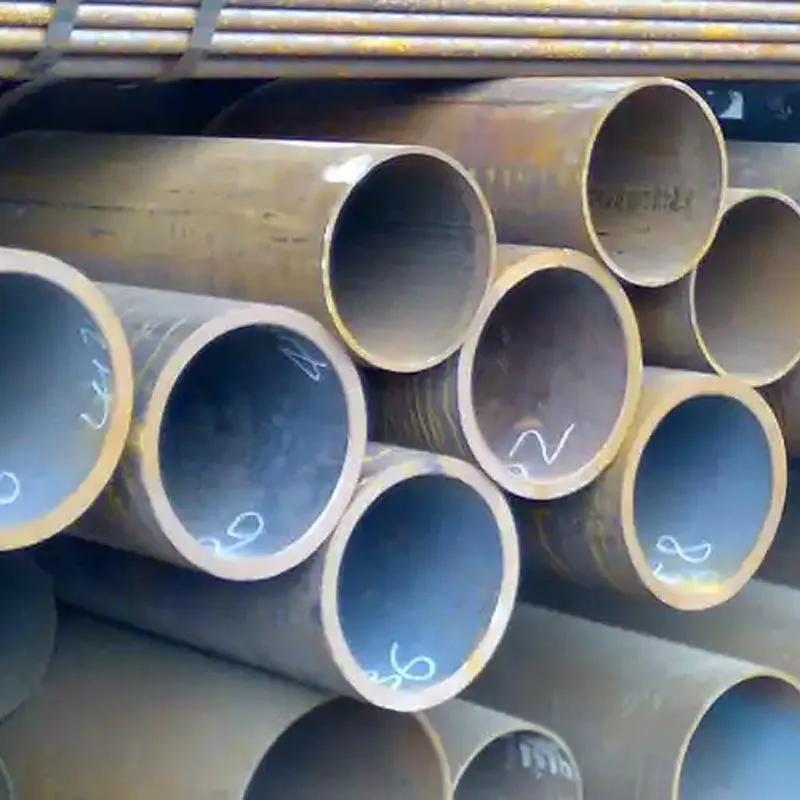
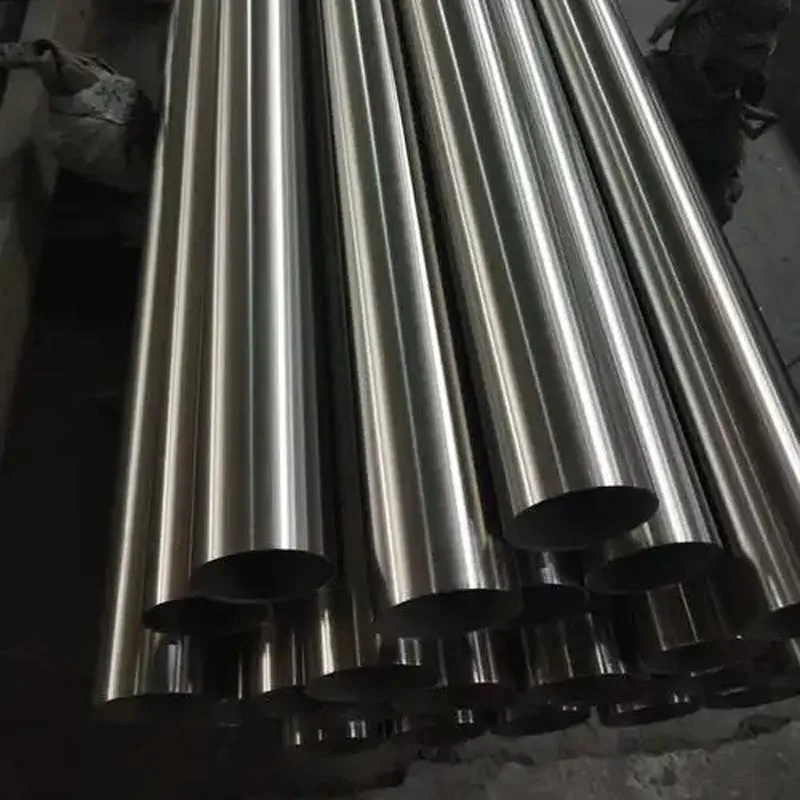
Semi-finished Nickel Alloy Seamless Tube
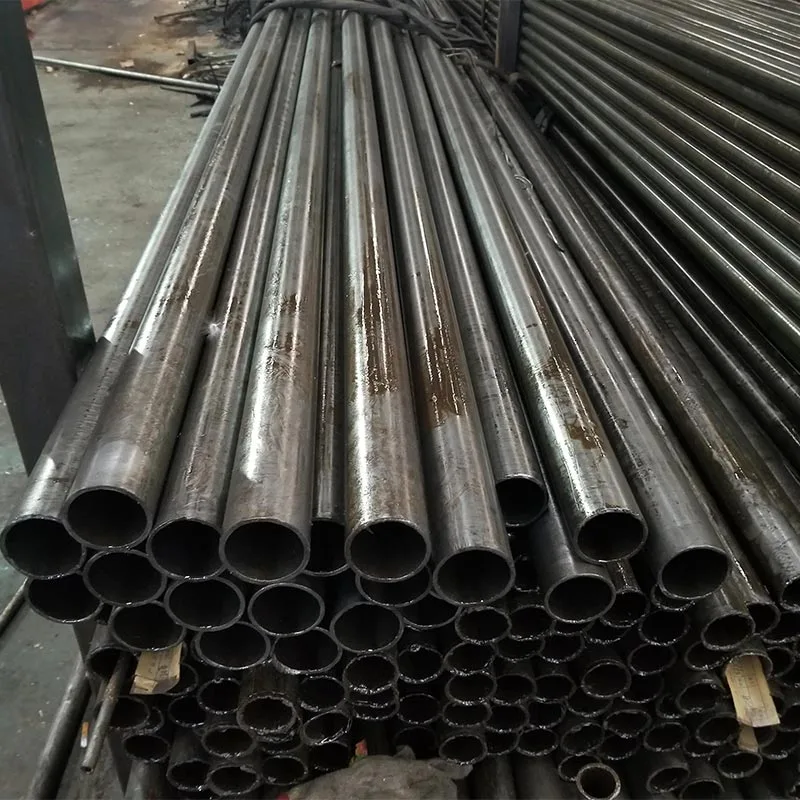
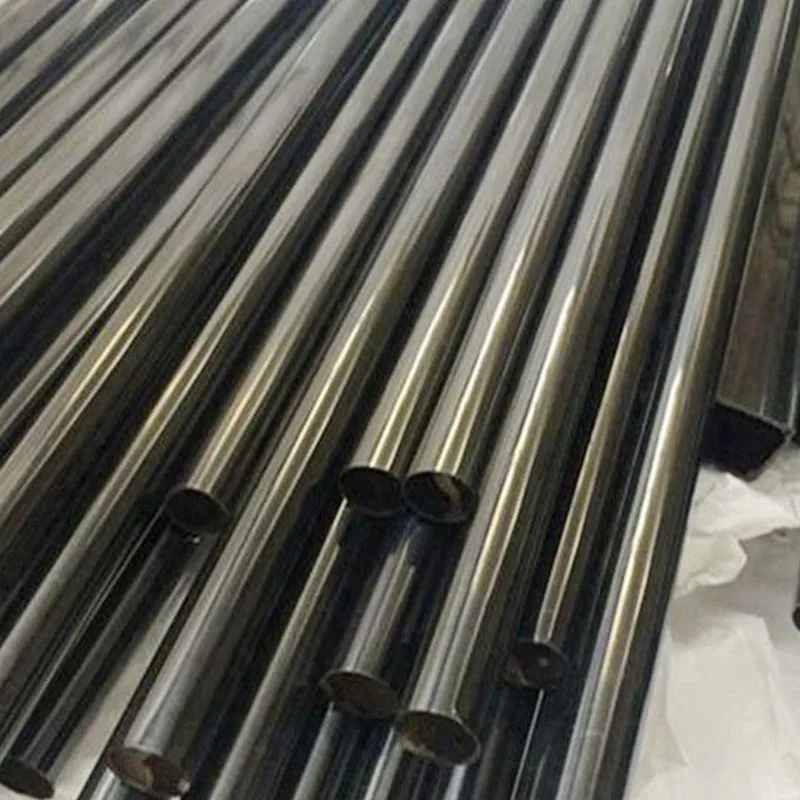
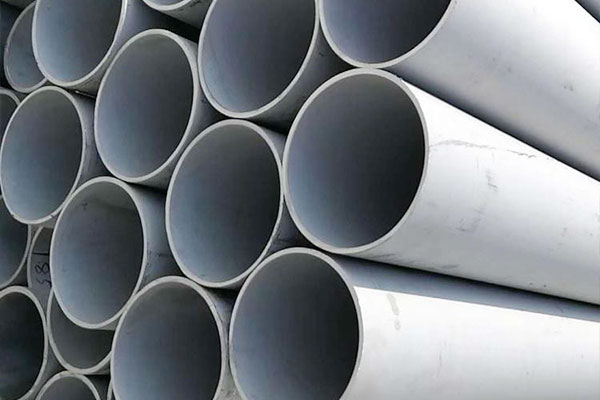
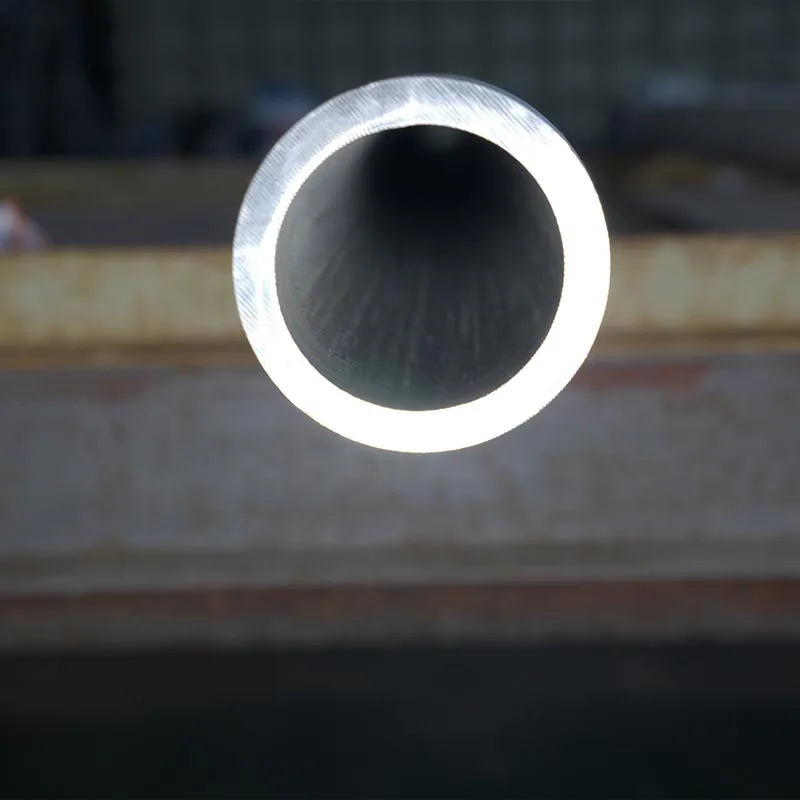
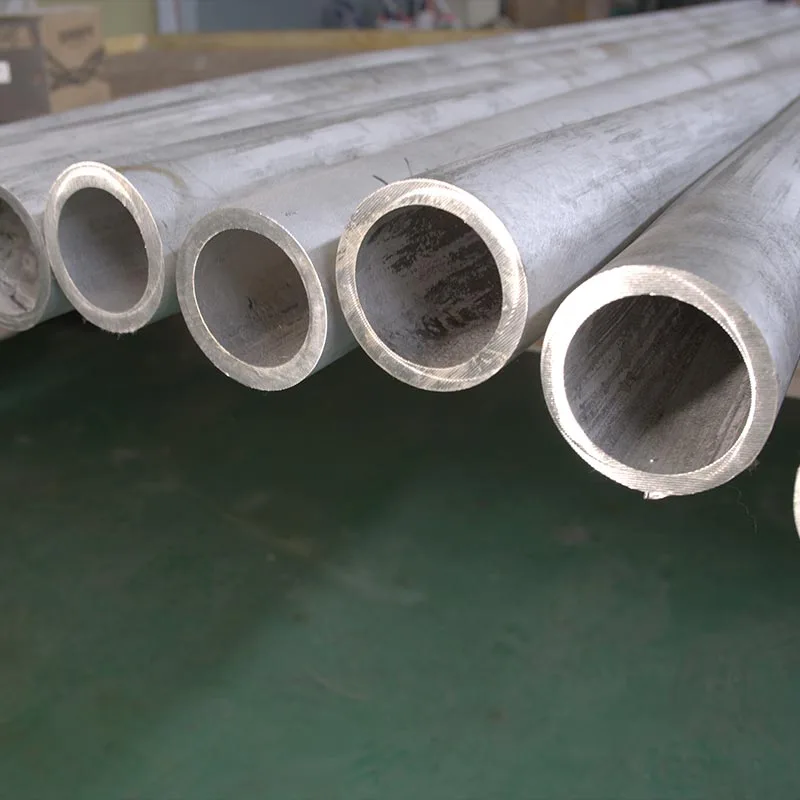
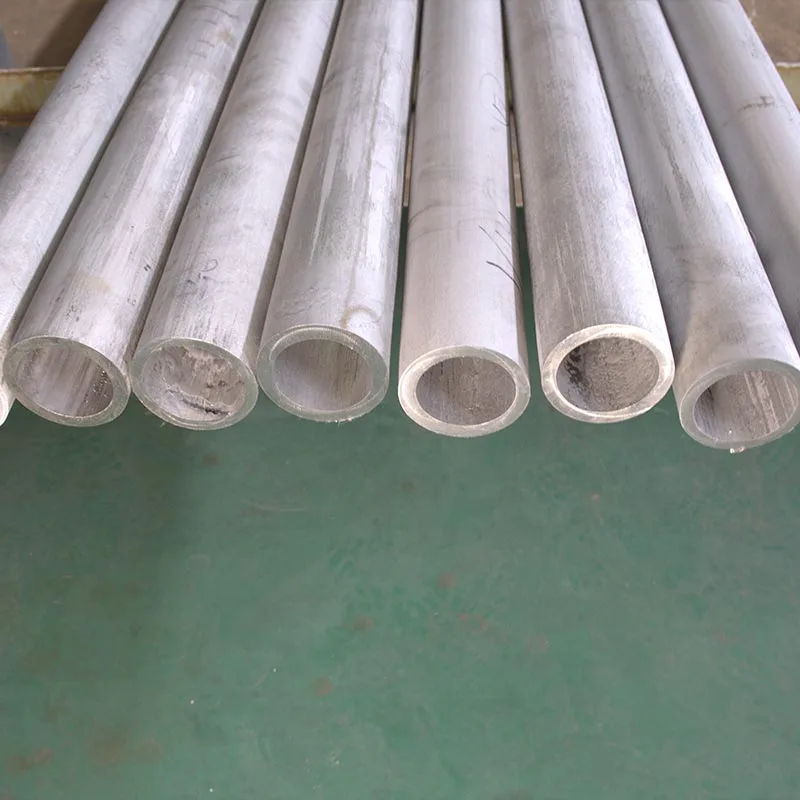
Semi-finished nickel alloy seamless tube is a hot-extruded tubular blank supplied with controlled machining allowance on both outside diameter and wall thickness, allowing manufacturers to machine final dimensions, surface finishes, and tolerance requirements according to their own drawings.
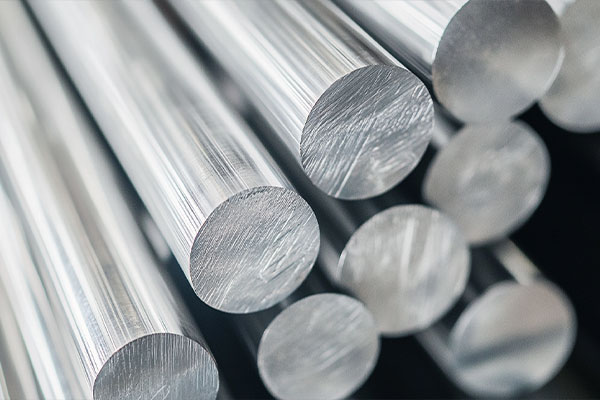
Instead of purchasing oversized bar stock or forged hollows and removing large amounts of expensive nickel alloy during machining, semi-finished seamless tube provides a near-net-shape solution that reduces material waste and improves production efficiency.
Manufactured by hot extrusion from vacuum-induction-melted and vacuum-arc-remelted (VIM + VAR) billet stock, every tube produced by Jiangsu Ji Lai Da Nickel-Based Alloy Co., Ltd.
Features:
● Fully seamless structure
● No longitudinal weld seam
● No heat-affected zone
● Uniform grain flow around the tube circumference
● Stable mechanical properties during downstream machining
This makes semi-finished nickel alloy seamless tube an ideal starting material for CNC turning, boring, drilling, and precision component manufacturing.
Why Choose Semi-Finished Nickel Alloy Tube Blanks?
Machining nickel alloys from solid round bar often results in significant material loss, especially for components
requiring deep internal bores or hollow structures.
Compared with conventional manufacturing routes:
Solid Bar Machining
● Large quantities of material removed as chips
● Long drilling and boring processes
● Higher machining cost
● Greater risk of eccentricity on long components
Forged Hollow Processing
● Requires additional machining to remove rough forged surfaces
● Higher preparation cost before reaching finished dimensions
Semi-Finished Seamless Tube
● Bore is already close to final dimensions
● Only precision machining allowance needs to be removed
● Lower raw material consumption
● Shorter CNC processing time
For many nickel alloy components, using semi-finished tube blanks can significantly reduce material costs and improve overall manufacturing efficiency.
Available Nickel Alloy Grades
Jiangsu Ji Lai Da supplies semi-finished nickel alloy seamless tube in multiple alloy families to support different operating environments.
Inconel 625
Suitable for:
● Offshore seawater systems
● Acid-gas applications
● Corrosion-resistant components
Advantages:
● Excellent corrosion resistance
● Good weldability
● Suitable for sour-service applications
Inconel 718
Suitable for:
● Turbine components
● High-strength aerospace parts
● Downhole tool joints
Advantages:
● High-temperature strength
● Excellent fatigue resistance
● Precipitation-hardening capability after machining
Hastelloy C-276
Suitable for:
● Chemical processing equipment
● Mixed acid environments
● Chloride and fluoride applications
Advantages:
● Outstanding resistance to severe corrosion
● Excellent performance in oxidizing and reducing media
Monel 400
Suitable for:
● Marine fittings
● Hydrofluoric acid processing equipment
● Chemical handling components
Advantages:
● Excellent seawater resistance
● Good corrosion resistance in reducing environments
Hastelloy X
Suitable for:
● Combustion components
● Aerospace thermal equipment
● Afterburner systems
Advantages:
● Excellent oxidation resistance
● Stable performance under thermal cycling above 1000°C
Additional nickel alloy grades can also be supplied according to project requirements and minimum order quantities.
Manufacturing Process and Quality Control
Jiangsu Ji Lai Da manufactures semi-finished nickel alloy seamless tube through a controlled production process:
1.VIM + VAR billet preparation
2.Hot extrusion forming
3.Solution annealing
4.Straightening
5.Surface treatment
6.Ultrasonic inspection
The hot extrusion process creates continuous grain flow along the tube wall, providing consistent mechanical properties
for subsequent machining operations.
Standard supply condition:
● Solution annealed
● Pickled extrusion surface
● Controlled OD and wall machining allowance
Additional delivery conditions, including aged or stress-relieved states, are available according to customer requirements.
Precision Blank Supply for CNC Machining
Semi-finished nickel alloy seamless tube is supplied as a machining-ready blank rather than a finished tube, allowing
customers to control the final manufacturing process.
Customers can specify:
● Finished component dimensions
● Required machining allowance
● OD × wall thickness
● Length
● Final heat-treatment condition
● Inspection requirements
Ji Lai Da's engineering team can recommend the appropriate blank size to minimize machining cost while ensuring
sufficient allowance for final processing.
This approach helps manufacturers optimize:
● Material utilization
● CNC processing time
● Production cost
● Component delivery schedule
Dimensions, Inspection and Certification
Ji Lai Da supplies semi-finished nickel alloy seamless tube according to customer specifications and international requirements.
Quality control includes:
● ASTM E213 ultrasonic inspection
● Hydrostatic or pneumatic testing according to order requirements
● Dimensional inspection
● Chemical composition verification
● Mechanical property testing
Each shipment includes:
● EN 10204 3.1 Mill Test Certificate
● Heat number traceability
● Manufacturing records
● Inspection documentation
Direct Supply from Nickel Alloy Tube Manufacturer
By sourcing semi-finished nickel alloy seamless tube directly from Jiangsu Ji Lai Da, customers benefit from:
● Factory-direct pricing
● Reduced material waste
● Customized blank dimensions
● Multiple nickel alloy options
● Complete certification packages
● Reliable global delivery
Whether for prototype development, low-volume production, or full-scale manufacturing programs, Ji Lai Da provides machining-ready nickel alloy tube blanks that help manufacturers reduce cost and improve production efficiency.
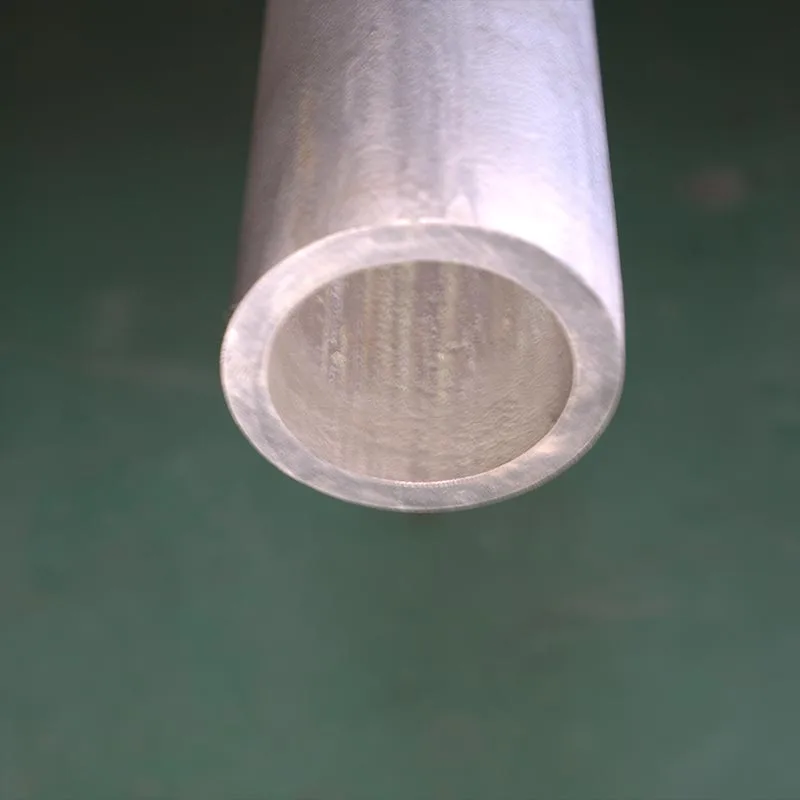
Blank Specification Overview
| Product | Semi-finished nickel alloy seamless tube |
| Alloy Range | Inconel 625 / 718, Hastelloy C-276 / X, Monel 400 |
| Melting Route | VIM + VAR |
| Blank OD Range | 10 – 420 mm |
| Blank WT Range | 2 – 55 mm |
| Machining Allowance | 1 – 3 mm per side (customizable) |
| Supply Condition | Solution annealed (aged / stress-relieved on request) |
| MTC & Inspection | EN 10204 3.1 + UT ASTM E213 |
Q: What is the minimum order quantity for semi-finished nickel alloy seamless tube?
A: Catalog blank sizes in stock alloys carry no minimum. For a non-standard blank dimension or an alloy not regularly extruded, the minimum is 500 kg. Contact the supplier with your RFQ for a precise quotation based on the specific alloy and size.
Q: Can the manufacturer machine the blank to finished dimensions?
A: Jiangsu Ji Lai Da Nickel-Based Alloy Co., Ltd. supplies blanks only and does not offer CNC machining services. This policy keeps the operation focused on extrusion quality and ensures there is no conflict of interest with your own machining business. The blank dimensions are selected to make your downstream turning and boring as efficient as possible.
Q: How is machining allowance determined?
A: The default allowance is 1 to 3 mm per side, depending on blank size and alloy. If your drawing specifies tighter finished tolerances or a particularly demanding surface-finish requirement, include the finished dimensions on your purchase order and the engineering team will calculate the minimum blank size that guarantees sound metal after machining without excessive waste.
Q: Are mill-scale or surface defects present on the as-extruded blank?
A: Blanks ship in the pickled condition with the extrusion oxide removed. Surface defects deeper than the specified machining allowance are rejected during ultrasonic and visual inspection before shipment, so you can be confident that clean metal lies beneath the allowance you will remove.
Hot Tags: Semi-finished Nickel Alloy Seamless Tube, Nickel Alloy Seamless Tube Supplier, Custom Nickel Alloy Tubing
Send Inquiry
Contact Info
-
Address
No. 521 Zhonghui Road, Huishan District, Wuxi City, Jiangsu Province, China
-
Tel
-
E-mail
Request a quotation from JILAIDA, a professional stainless steel and nickel based alloy seamless pipes and nickel based alloy forged round bar manufacturer in China. Get factory price, customized solutions and reliable supply.