Products
Customized Stainless Steel Seamless Pipe for Your Specific Requirements
- View as
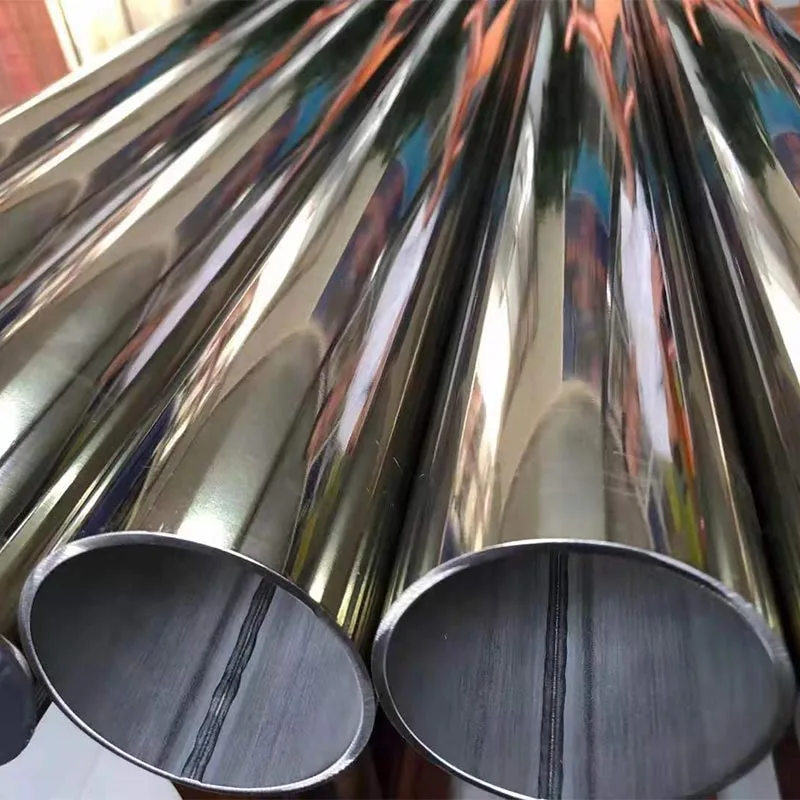
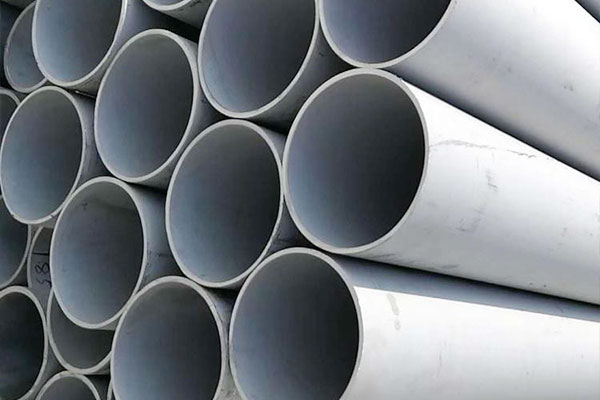
Х20Н25 Hot Extruded Seamless Round Pipe
Buy quality Х20Н25 Hot Extruded Seamless Round Pipe from Ji lai da, a professional manufacturer in China. Manufactured by hot extrusion above 1,100°C, Х20Н25 seamless pipes feature a uniform austenitic structure, low residual stress, excellent chloride stress corrosion cracking resistance, and reliable performance between 316 stainless steel and premium nickel alloys. Available in customized dimensions with EN 10204 3.1 MTC, full heat traceability, and factory-direct pricing, our Х20Н25 pipes are widely used in desalination, petrochemical, offshore, and acid processing industries.
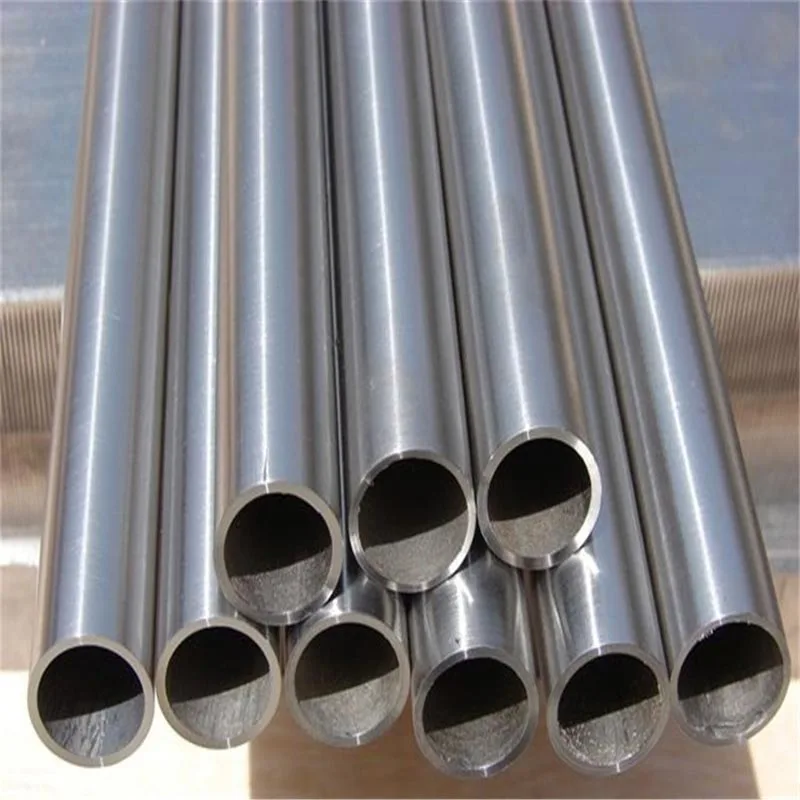
03Х20Н25 Extruded Seamless Pipe
The difference between 08Х20Н25 and 03Х20Н25 is three hundredths of a percent carbon. That's it — 0.08% vs 0.03%. But those three hundredths determine what happens at the weld. When a standard-carbon austenitic alloy is heated above 450 °C and held in the 450–850 °C range — exactly what happens next to a weld bead — chromium carbides precipitate at grain boundaries. The chromium-depleted zone beside each carbide becomes a narrow corridor where corrosion resistance drops to a fraction of the base metal. In chloride service, those corridors become initiation sites for intergranular attack. The 03Х20Н25 extruded seamless pipe from JILAIDA factory eliminates this risk at the source: with carbon capped at 0.03%, there isn't enough free carbon to form harmful carbides, regardless of thermal history. You weld it, and the heat-affected zone stays as corrosion-resistant as the parent metal.
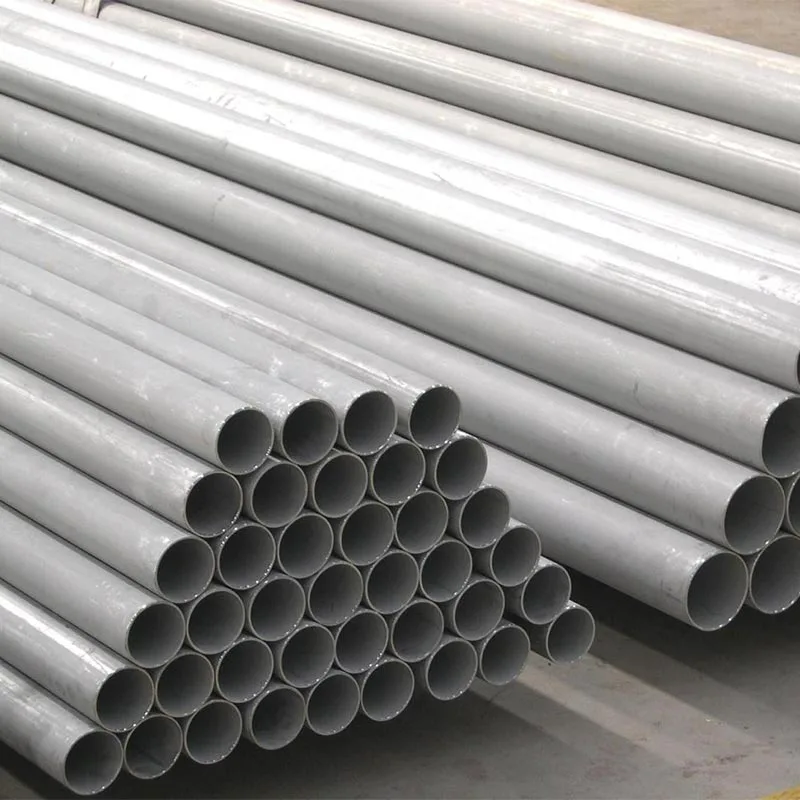
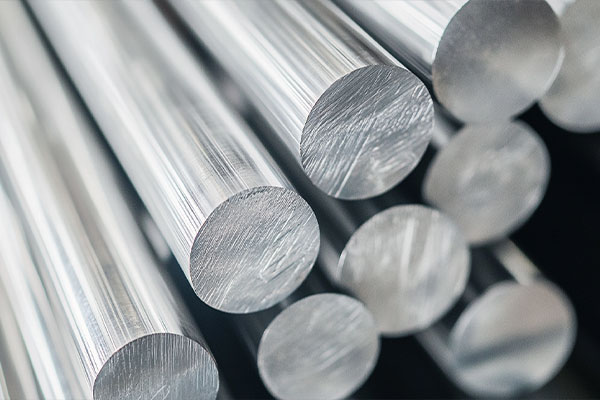
Semi-finished 304 Stainless Steel Tube
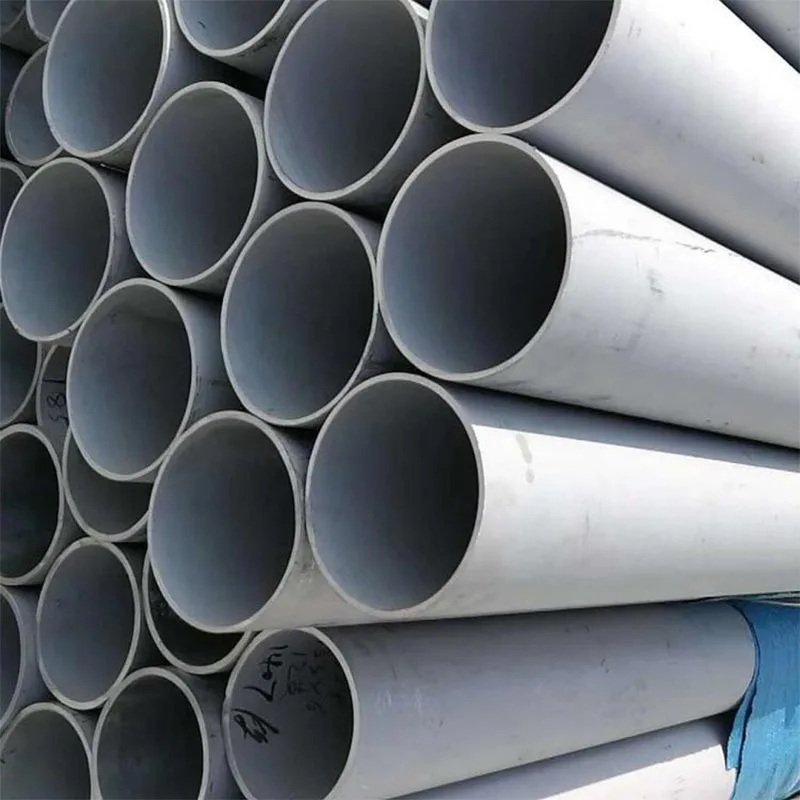
A semi-finished 304 stainless steel tube is a hot-extruded seamless hollow — the intermediate stage between a solid round billet and a finished-dimension pipe. Jilaida, a professional manufacturer in China forms it on a 2,000-ton forward extrusion press: the billet is induction-heated, pierced, and forced through a die in one stroke, producing a round, weld-free tube with consistent wall thickness across its full length. Standard stock runs OD 89 mm × WT 9 mm × length 3,000–3,500 mm; all three dimensions can be retooled against a buyer's drawing. Each piece is pickled to strip oxide scale and inspected before shipment, accompanied by an EN 10204 3.1 mill certificate covering chemistry and mechanical properties.
Semi-finished 316 Stainless Steel Tube
Jilaida factory's durable Semi-finished 316 stainless steel tube is a hot-extruded seamless blank stock designed for buyers who will draw, size, and straighten the tube into finished products — precision instrumentation tubing, thin-wall heat exchanger tube, hydraulic control lines, medical capillary tube, and marine umbilicals that demand chloride pitting resistance beyond what 304-derived products can deliver. The 2% molybdenum in 316 raises the PREN from 18 to 24–26, which is the difference between a tube that pits in chloride service within months and one that runs for years — a 20–30% raw-material premium that buys a 2–4× reduction in unplanned field replacement.
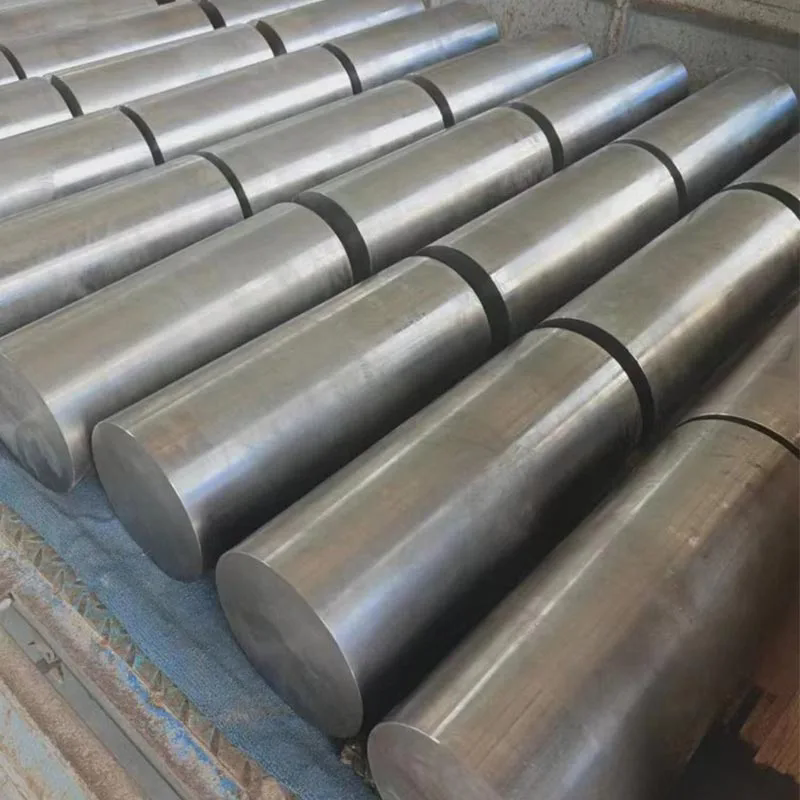
310 Rough Extruded Pipe
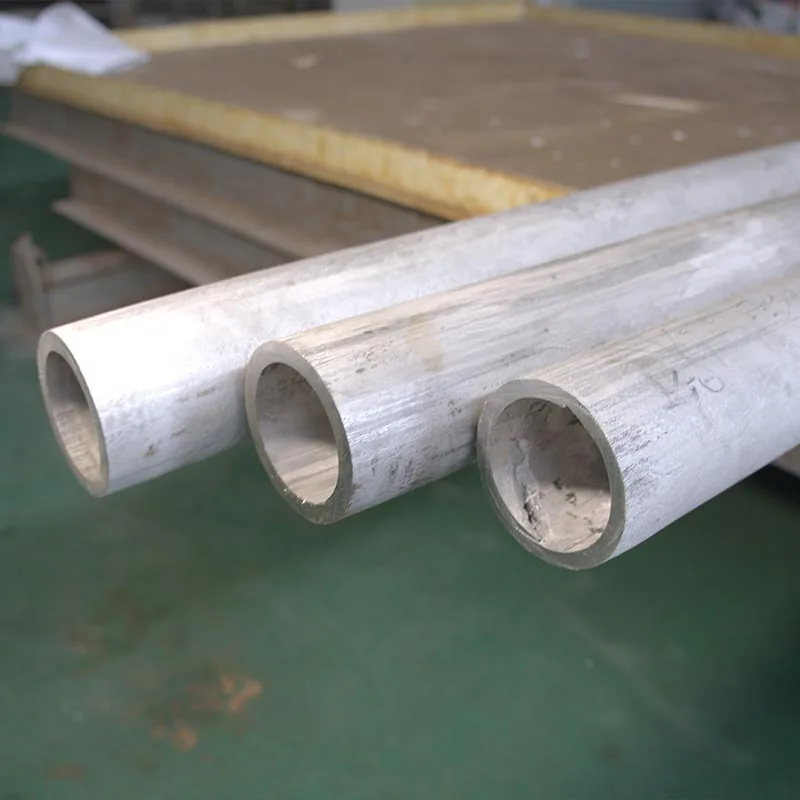
25% chromium and 20% nickel in the chemistry. 1150 °C oxidation resistance in service. And a surface that still carries the extrusion skin — dark, textured, unmachined. The 310 rough extruded pipe from Jiangsu Ji Lai Da Nickel-Based Alloy Co., Ltd. is the raw form: a seamless hollow straight off the press, pickled to remove loose oxide but otherwise left as-formed. No grinding, no polishing, no bright finish. For buyers who will machine, bore, or re-process the tube themselves, the rough condition saves a step they'd pay for and then cut away.
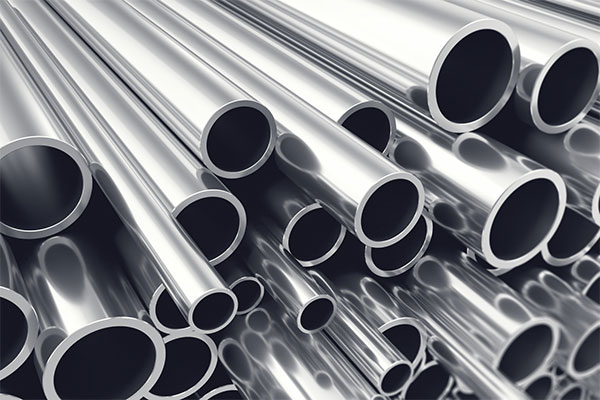
Heat Resistant Stainless Steel Tube
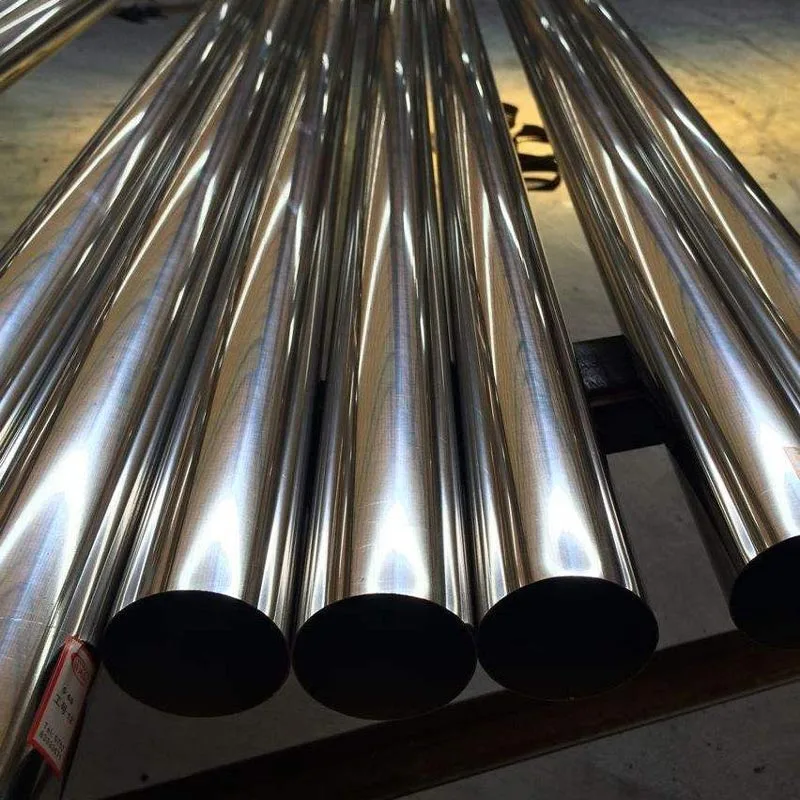
A heat resistant stainless steel tube is specified wherever a process runs hot enough to destroy ordinary austenitic grades — ethylene cracking furnaces at 1050 °C, hydrogen reformer outlets under thermal shock, supercritical boiler superheaters, waste-to-energy flue-gas ducts, concentrated solar receiver loops carrying molten salt, glass-melting regenerator stacks, and aerospace hot-gas-path ducting.
How Corrosion Testing Works on Seamless Pipe
A standard MTC per EN 10204 3.1 reports chemistry and mechanical properties. For stainless steel seamless pipe in corrosion-critical service, the buyer should also specify a corrosion test:
Intergranular corrosion per ASTM A262 Practice A-E. The most common test. Practice E (Strauss test) immerses a sample in boiling copper sulfate-sulfuric acid with copper chips and measures whether grain boundary attack has occurred. A properly annealed seamless pipe in 304L or 316L passes without detectable attack. This test catches sensitization from improper heat treatment - a problem that does not exist in as-extruded seamless pipe because there is no weld heat-affected zone to sensitize.
Pitting corrosion per ASTM G48. For 316, 2205, and high-nickel grades. A sample is immersed in ferric chloride solution at a specified temperature for 24 to 72 hours. The critical pitting temperature (CPT) - the temperature at which pitting initiates - is reported. For 316L, CPT is typically 15 to 20 C. For 2205, it rises to 35 to 40 C. This test is essential for seawater and chloride service specifications.
Stress corrosion cracking per ASTM G36. For 304 and 316 in chloride environments. A U-bend sample is immersed in boiling magnesium chloride for up to 200 hours. Cracking indicates susceptibility. This test is rarely specified for 2205 because duplex grades are inherently resistant to chloride SCC - one of the reasons buyers upgrade from 316L to 2205 for desalination service.
JILAIDA runS these tests in-house or through certified partner laboratories. Results are included in the documentation package when specified in the RFQ. SGS, BV, or TUV can witness any test at our facility.
What the RFQ Should Include
To receive factory-direct pricing from Jiangsu Ji Lai Da Nickel-Based Alloy Co., Ltd. within 24 hours, include:
1. Grade and standard. UNS number or national standard (GB, GOST, EN, JIS). State whether dual-standard certification is needed.
2. Dimensions. OD, wall thickness, and length. Specify whether length is fixed, random, or a range. For non-standard OD or wall combinations, we confirm tooling availability before quoting.
3. Quantity. Total meters or total weight. For standard grades (304, 316L), minimum order is 500 kg. For 2205 and high-nickel austenitic grades, 300 kg. Sample lengths of 300 to 500 mm available for qualification.
4. Surface finish. Pickled (standard), polished (specify Ra), or bright-annealed.
5. Testing. EN 10204 3.1 is standard. List supplementary tests: ASTM A262, G48, G36, ultrasonic per ASTM E213, hydrostatic at 1.5x design pressure. Specify if EN 10204 3.2 with third-party witness is required.
6. Delivery terms. FOB Shanghai, CIF to your port, or DDP to your warehouse.
7. End preparation. Plain cut, beveled for butt-welding, or threaded.
Who Orders and What They Care About
Chemical and petrochemical plants. The largest buyer group for 316L and 2205 seamless pipe. They specify corrosion test requirements and demand full heat-lot traceability. The stainless steel seamless pipe feeds acid lines, chloride service, and catalytic process piping. Lead time is project-driven. Middle East buyers (UAE, Saudi Arabia, Qatar) typically request CIF; Indian buyers prefer FOB with their own forwarder.
Oil and gas. Sour service lines requiring NACE MR0175 compliance. 316L and 08Х17Н14М2 for moderate-sour service; 2205 for higher chloride content. The buyer specifies H2S partial pressure and CO2 content in the RFQ. Documentation must include chemistry confirmation of low sulfur and phosphorus.
Power generation. Boiler and superheater tubing in 310S. Nuclear-island auxiliary piping in 304 and 316L. Full code traceability per ASTM/ASME. The buyer is an EPC contractor building a plant, and every piece of pipe must have a paper trail from melt to installation.
Pharmaceutical and food. Hygienic-grade piping in 304 or 316L with bright-annealed internal surfaces. Low volume, high margin, strict surface requirements. The buyer is a cleanroom contractor who needs protective end caps and a certificate of surface roughness.
Desalination. Brine concentrate and SWRO reject piping. 2205 duplex competes on life-cycle cost against titanium. The buyer calculates cost per year of service, not cost per kilogram, and the duplex grade's higher yield strength allows thinner wall - which can make 2205 cheaper than 316L on an installed-cost basis despite the higher alloy surcharge.
Packing and Delivery
Pipe is packed in wooden crates with steel strapping. Each bundle is tagged with heat number, grade, size, quantity, and MTC reference. End caps protect the bore. Desiccant packs are included for bright-annealed shipments. China manufacturer Jiangsu Ji Lai Da Nickel-Based Alloy Co., Ltd. ships FOB from Shanghai, Ningbo, or Lianyungang. CIF and DDP are available. Standard production lead time is 3 to 4 weeks for 304 and 316L; 4 to 5 weeks for 310S and 2205; 5 to 7 weeks for Russian-standard and high-nickel austenitic grades. ISO 9001 governs the quality system with four additional industry certifications.
FAQ
Why is seamless pipe more expensive than welded?
The production process is slower and more material-intensive. A welded pipe line can run continuously from coil strip at 3 to 5 meters per minute. Seamless extrusion produces pipe one billet at a time, with billet preparation, heating, pressing, cooling, and inspection between each piece. The 15 to 30 percent price premium reflects this throughput difference. For services where the weld seam would be a failure initiation point, the premium is justified. For general-purpose low-pressure service, welded pipe may be adequate - we will advise based on your conditions.
Can you supply both EN 10204 3.1 and 3.2 certificates?
Yes. 3.1 is standard on every shipment. 3.2 requires a third-party inspector - SGS, BV, or TUV - to witness the test cuts and co-sign. Add 5 to 7 working days for the inspector visit.
What is the practical size range for seamless stainless pipe?
OD 6 to 89 mm, wall thickness 3 to 9 mm, length 3000 to 10000 mm. We can produce outside these ranges on a custom basis, but tooling cost and minimum quantity may apply.