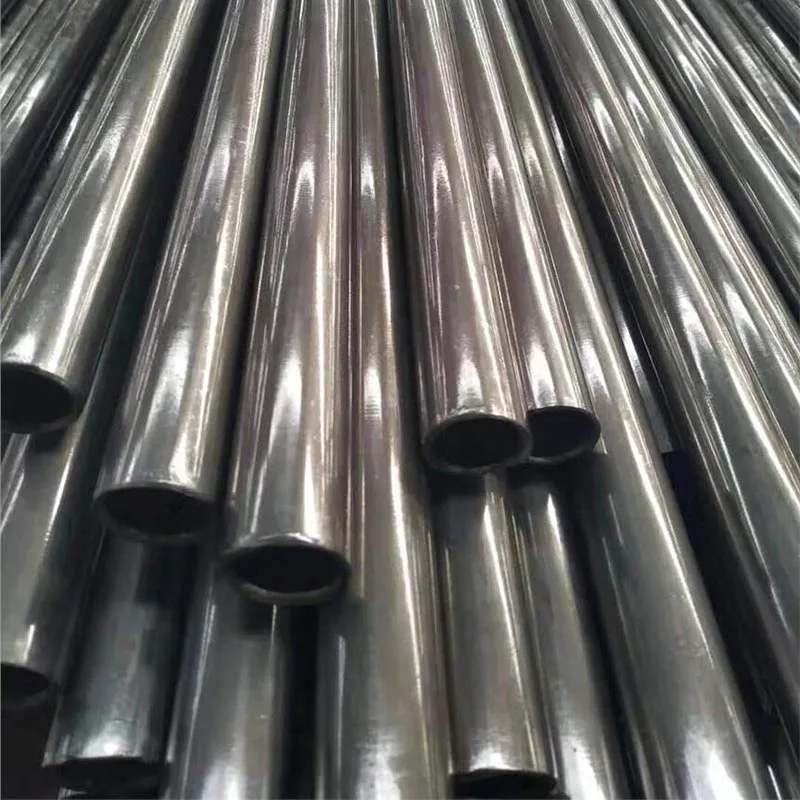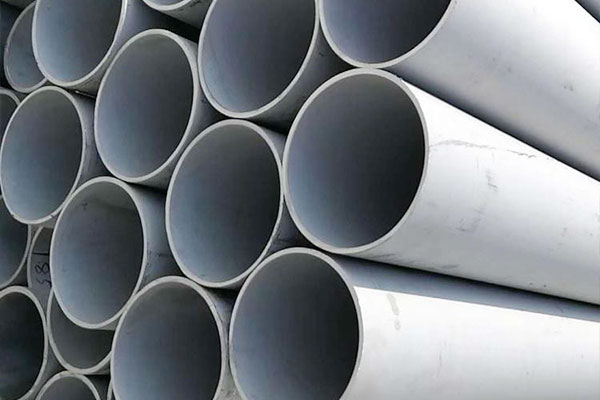
Products
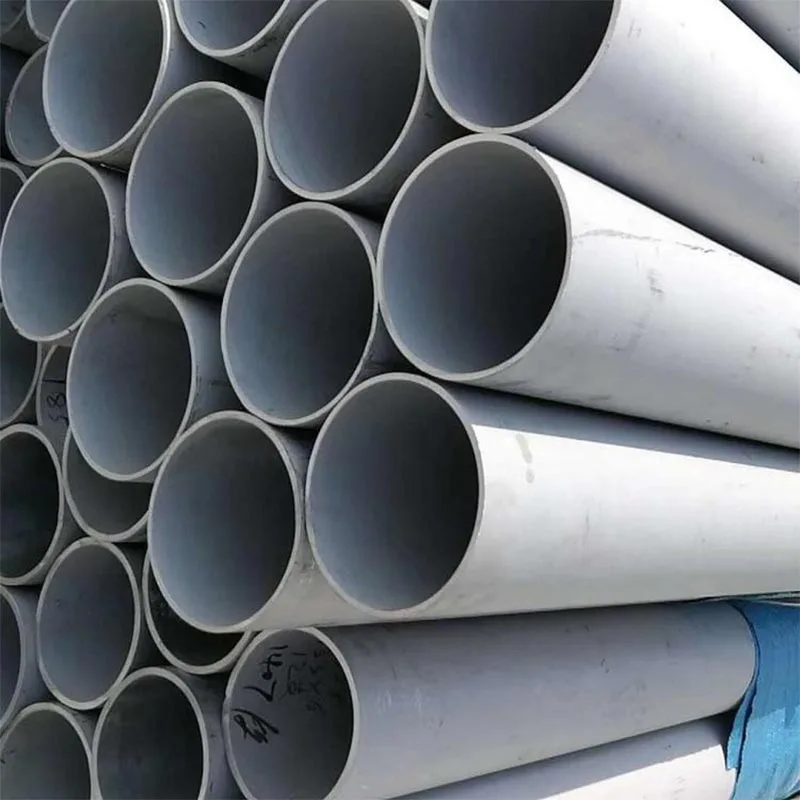
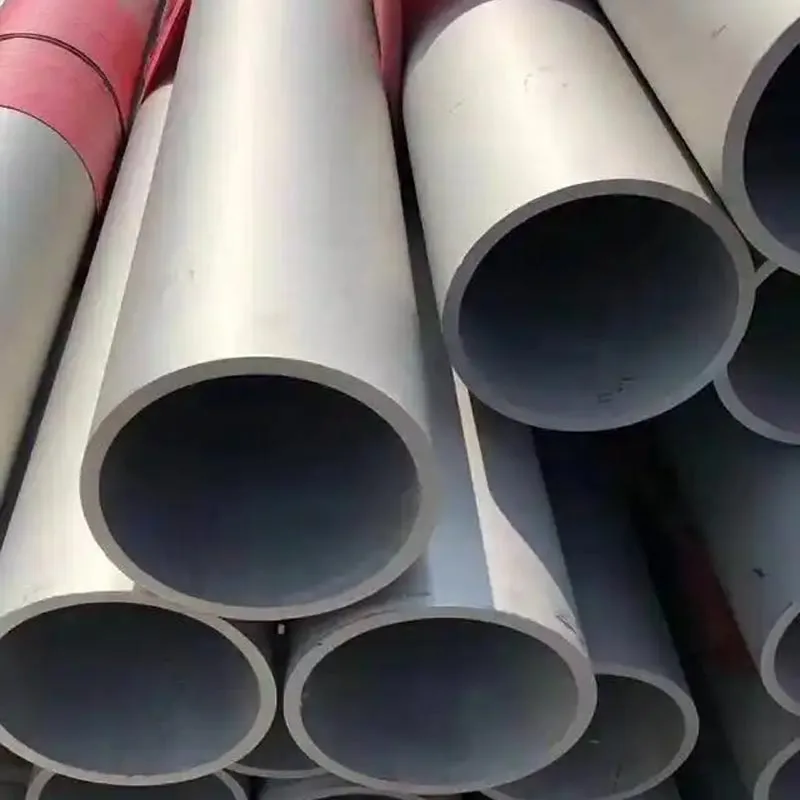
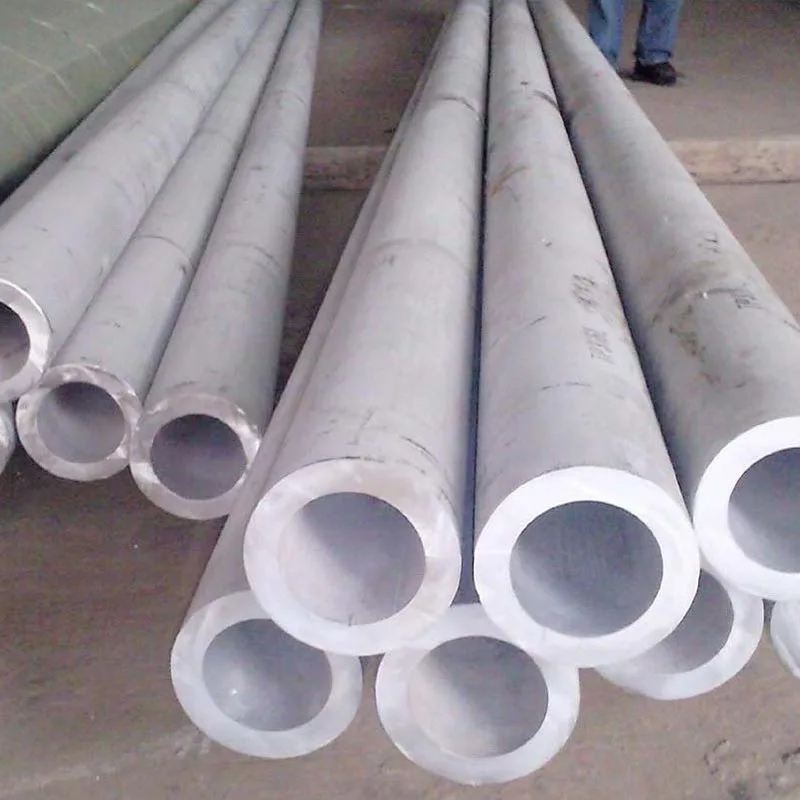
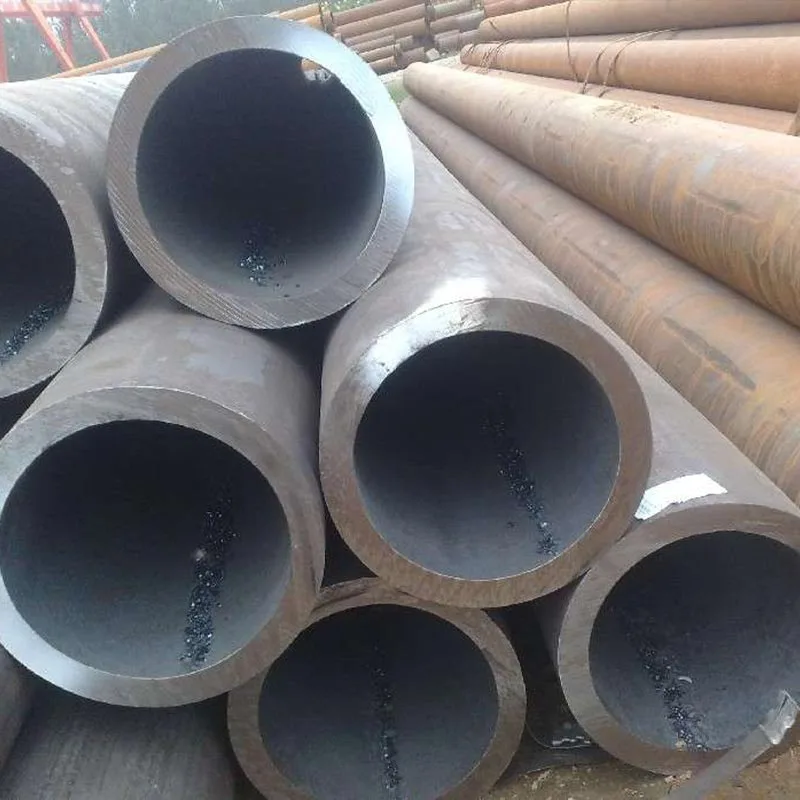
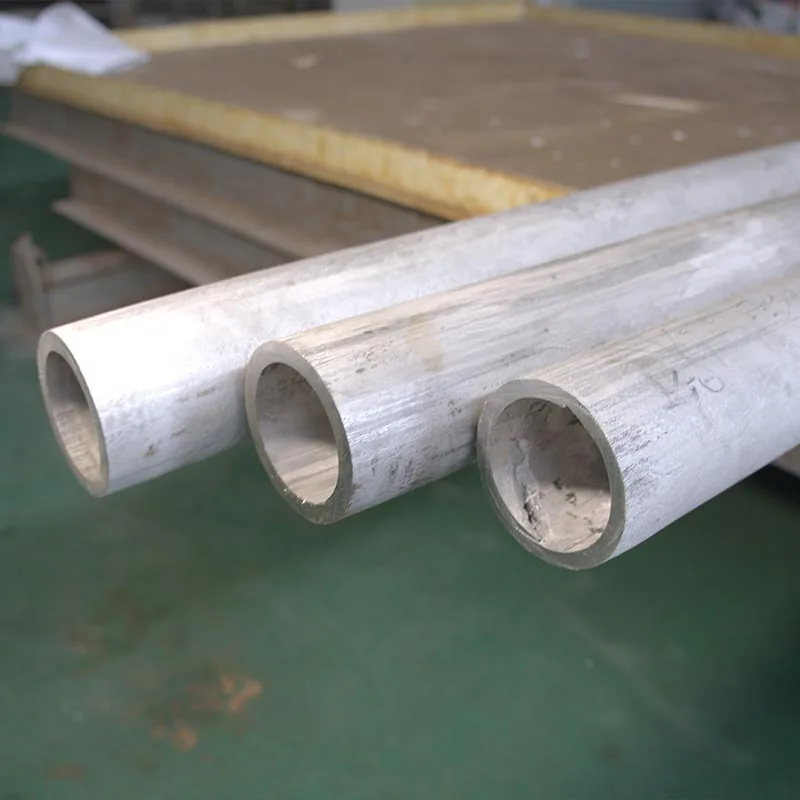
Semi-finished 316 Stainless Steel Tube
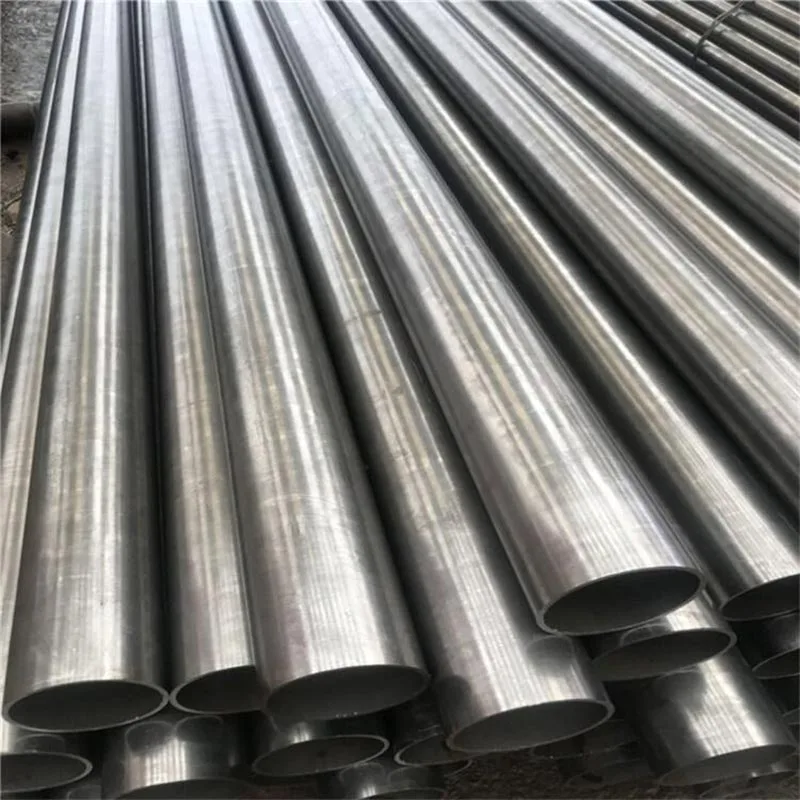
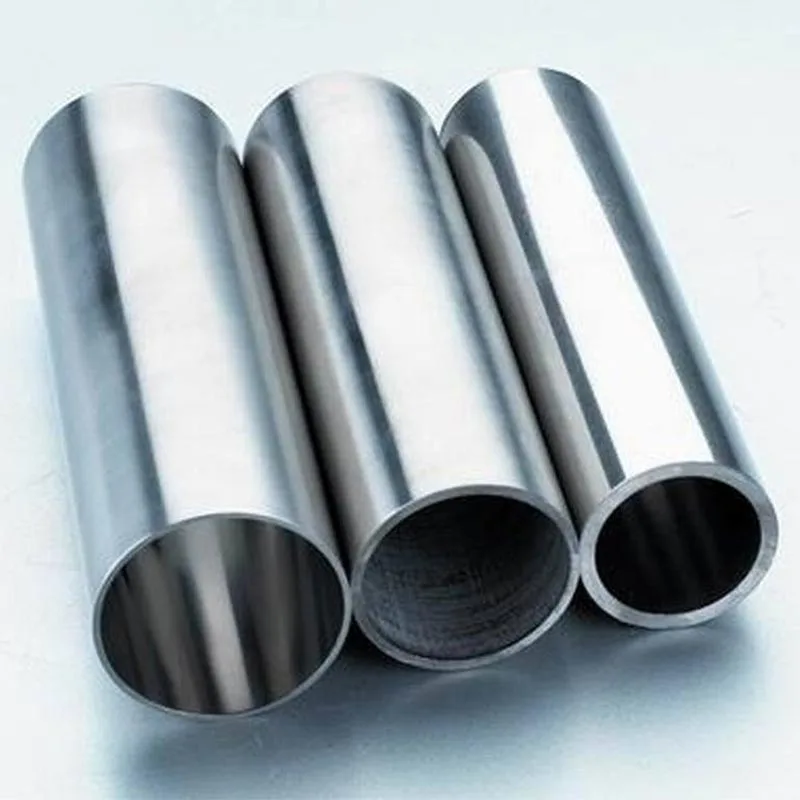
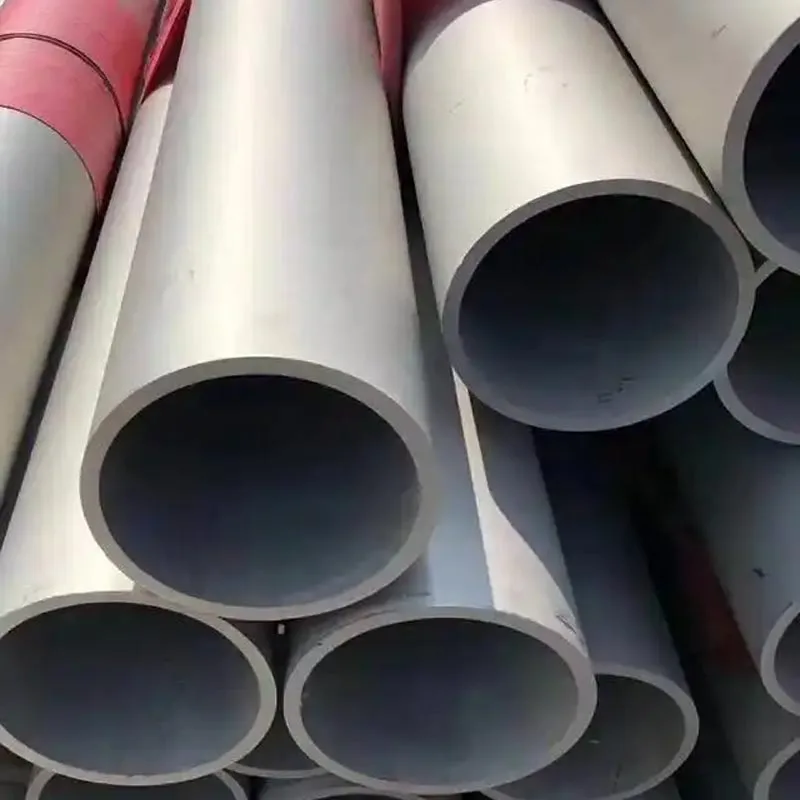
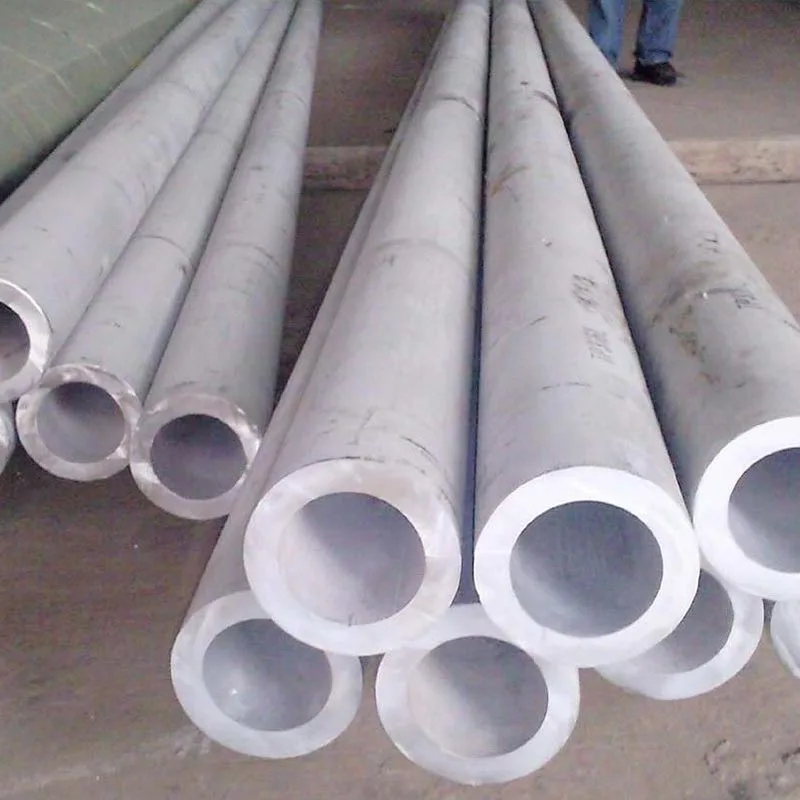
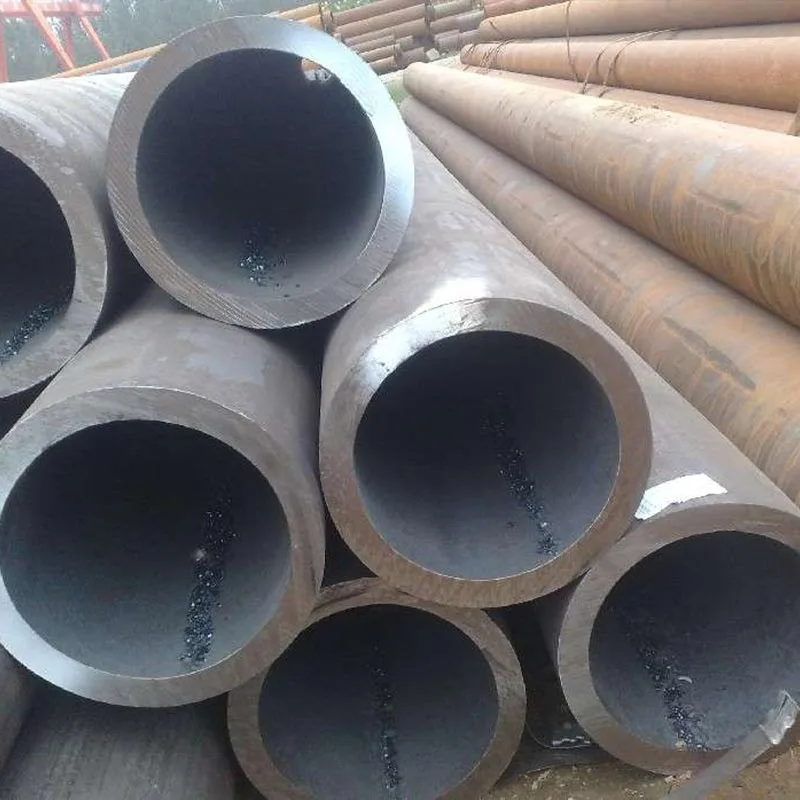
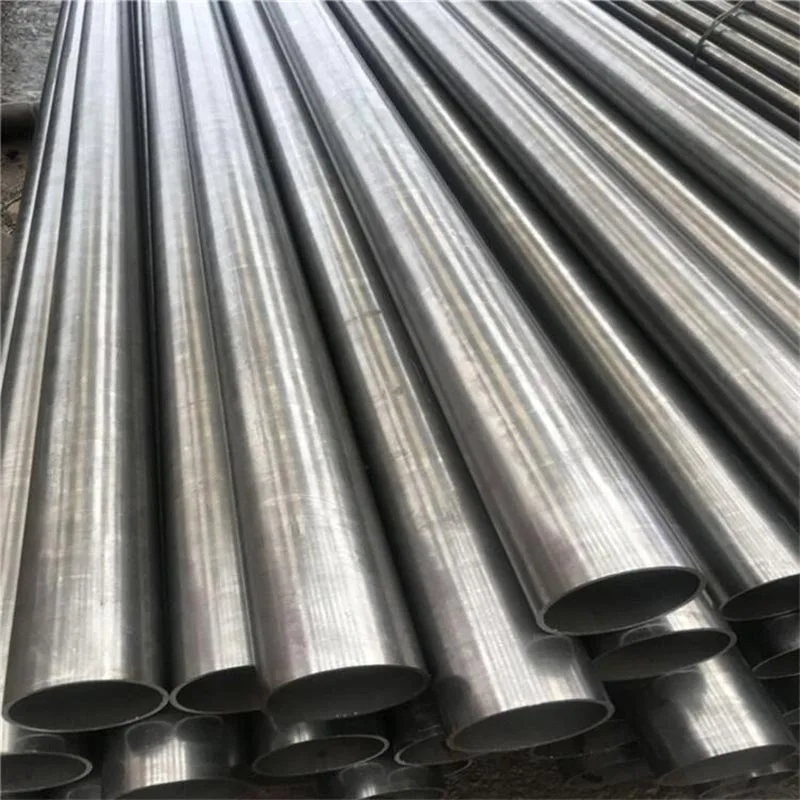
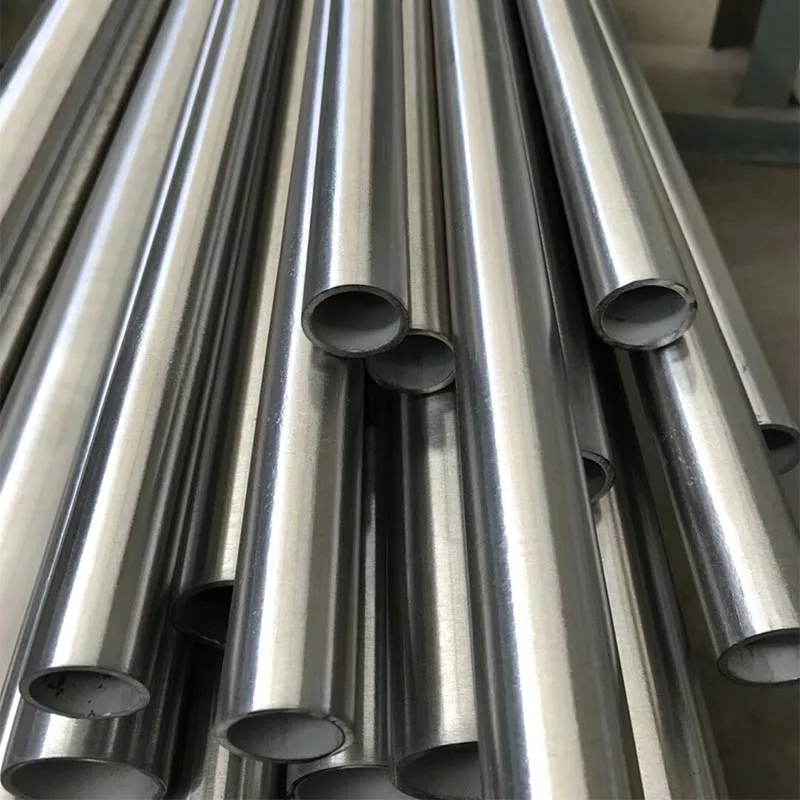
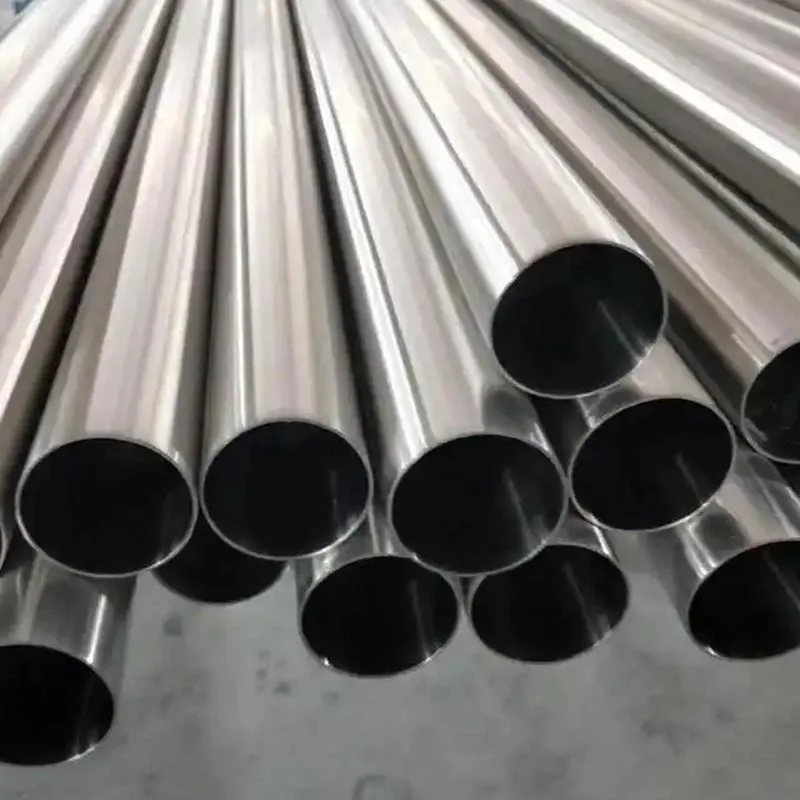
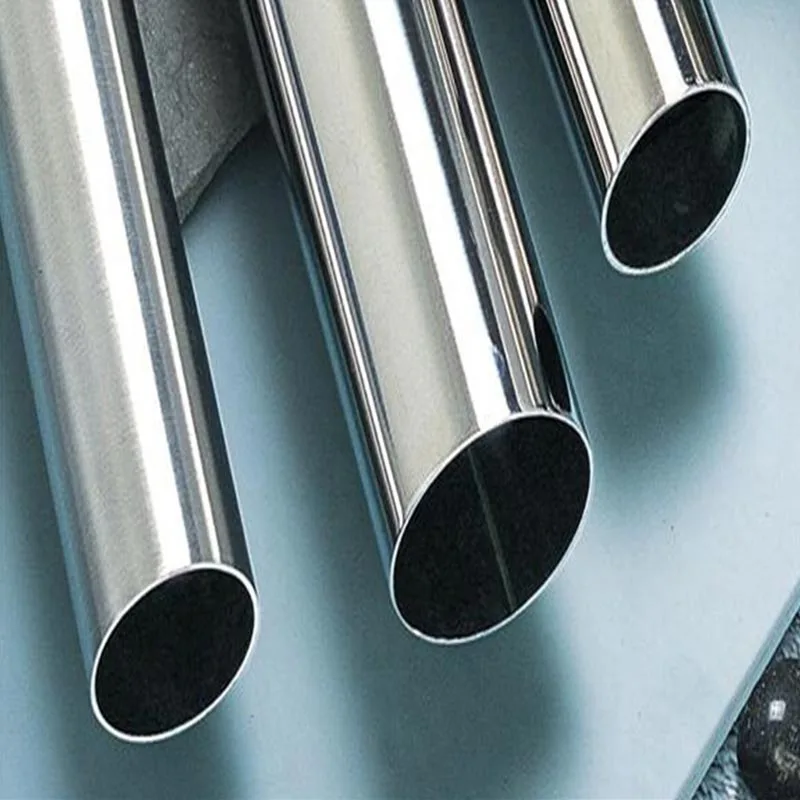
Jilaida, a professional stainless steel tube manufacturer in China, supplies Semi-finished 316 Stainless Steel Tube as a hot-extruded seamless tube blank for subsequent cold drawing, sizing, straightening, re-extrusion and machining. The product is intended as an intermediate material rather than a finished precision tube, so the starting OD, wall thickness, length, grade and downstream target dimensions should be confirmed before production.
As a professional manufacturer in China, JILAIDA would like to provide you Semi-finished 316 Stainless Steel Tube. The standard stock size is OD 89 × WT 9 mm × 3000–3500 mm. Custom dimensions can be reviewed according to the customer's drawing and downstream process. Jilaida carries out extrusion, pickling and inspection as part of its production process and can provide an EN 10204 3.1 MTC with material and heat information for the supplied product.
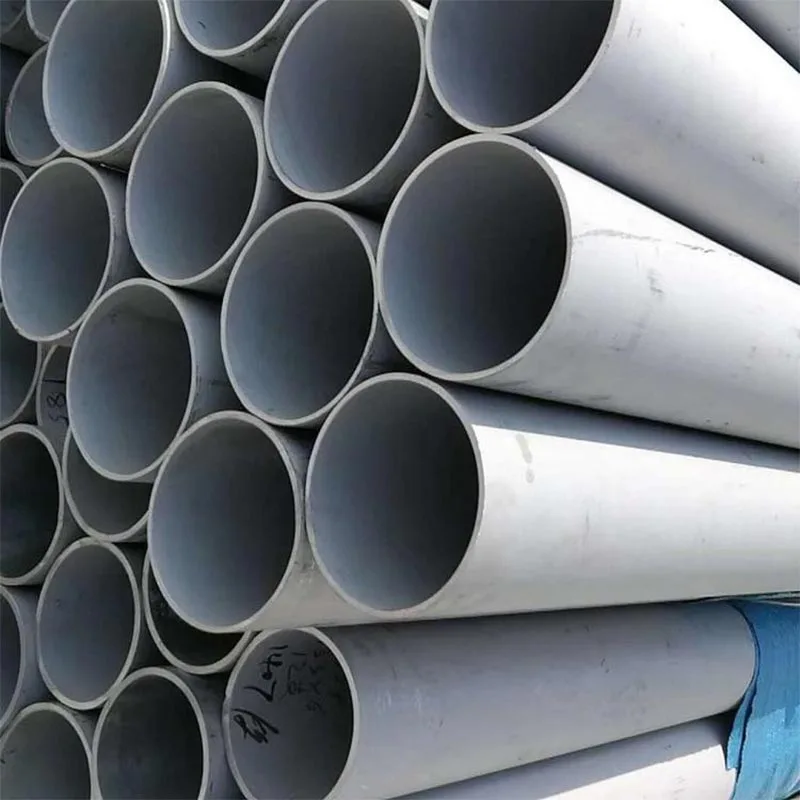
What Is a Semi-finished 316 Stainless Steel Tube?
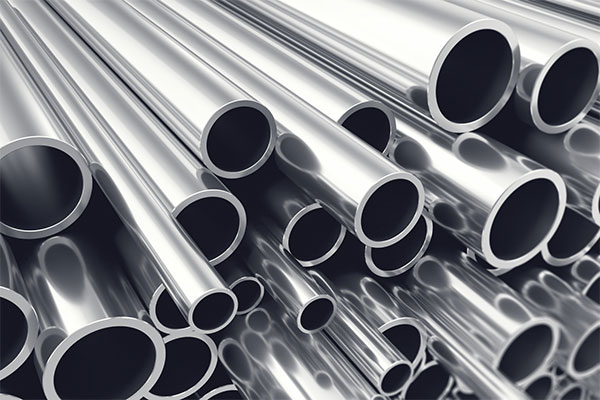
Semi-finished 316 Stainless Steel Tube is a seamless hollow tube blank prepared for further processing rather than direct end use. The 316 stainless steel grade contains molybdenum, which provides better resistance to localized corrosion than 304 stainless steel in many chloride-containing environments.
For buyers using the tube in a downstream drawing or sizing line, the important specifications are not only the material grade. The starting outer diameter, wall thickness, straight length, surface condition and required finished dimensions all affect the suitability of the blank for the next operation.
Why Use 316 for the Starting Tube Blank?
316 stainless steel is commonly selected when the finished tube will be exposed to chloride-containing, moist or chemically demanding environments. Its molybdenum content improves resistance to pitting and crevice corrosion compared with 304 under many service conditions.
The actual corrosion performance still depends on chloride concentration, temperature, surface condition, media composition and the finished product design. Material selection should therefore be checked against the intended application rather than based on grade name alone.
316 or 316L: Which Grade Should Be Specified?
316 and 316L have the same basic alloy family, but 316L has a lower carbon limit. When the finished tube will undergo subsequent welding, 316L is commonly preferred because its lower carbon content reduces the risk of sensitization in the heat-affected zone.
For applications based mainly on cold drawing, sizing, flaring, swaging or other mechanical processing, either grade may be considered according to the applicable material specification and final product requirements. Jilaida can review the downstream process before the grade is confirmed.
Hot Extrusion Process
1. Billet Preparation and Heating
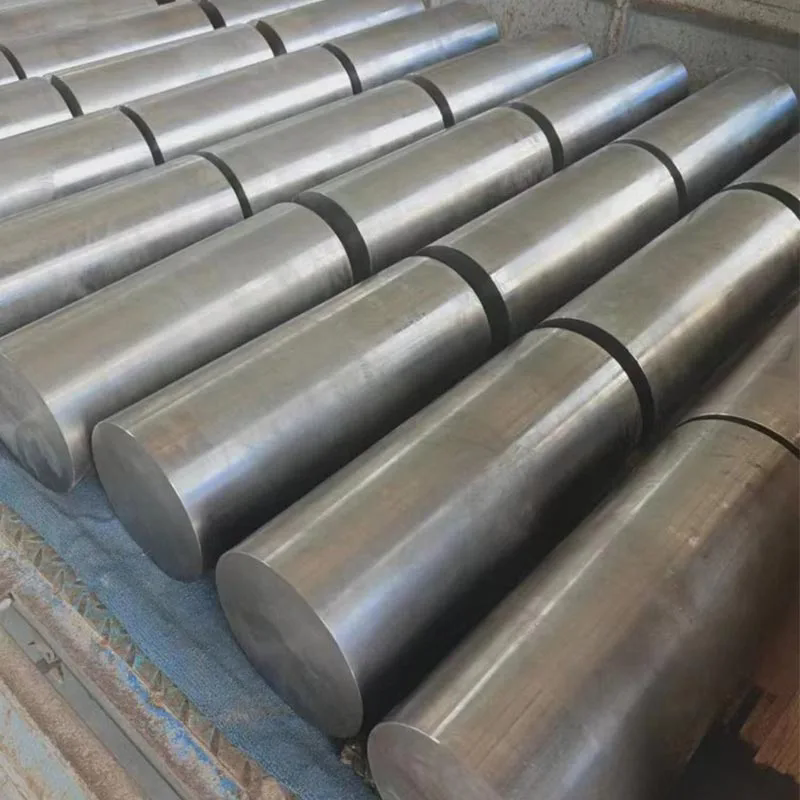
316 stainless steel round billet is prepared and heated to the temperature required for the hot extrusion process. The heating condition is controlled according to the material and extrusion requirement.
2. Piercing and Extrusion
The heated billet is pierced and then extruded through a die using a 2000-ton forward extrusion press to form a hollow seamless tube. The extruded tube becomes the starting material for later cold working or machining.
3. Pickling
The standard supplied surface is pickled to remove oxide scale formed during hot processing. An as-extruded surface can be discussed for orders that require the original hot-extruded condition.
4. Inspection and Documentation
Finished tube blanks are checked according to the confirmed order requirements. Material documentation can include an EN 10204 3.1 MTC with chemical and mechanical information for the supplied heat.
Product Specifications
| Parameter | Specification |
| Product Type | Semi-finished 316 Stainless Steel Tube |
| Material | 316 Stainless Steel |
| Optional Grade | 316L, subject to order confirmation |
| Forming Process | Hot Extrusion |
| Extrusion Equipment | 2000-ton Forward Extrusion Press |
| Standard Outside Diameter | 89 mm |
| Standard Wall Thickness | 9 mm |
| Standard Length | 3000–3500 mm |
| Custom OD | 6–89 mm, subject to drawing and production review |
| Custom Wall Thickness | 3–9 mm, subject to drawing and production review |
| Maximum Custom Length | Up to 10,000 mm, subject to production and transport conditions |
| Standard Surface | Pickled |
| Optional Surface | As-extruded, subject to order confirmation |
| Quality Document | EN 10204 3.1 MTC |
How to Choose a Suitable Pipe?
The starting tube condition affects the work required in later drawing and sizing operations. Buyers should therefore review the following before placing an order:
- Outside diameter: confirm the starting OD against the finished drawing process.
- Wall thickness: select the starting wall according to the planned reduction and final wall.
- Surface condition: specify pickled or as-extruded delivery condition.
- Dimensional consistency: confirm the required tolerance with the downstream process.
- Material grade: select 316 or 316L according to the final process and application.
Defects or dimensional variation in the starting hollow can increase rework or rejection during subsequent drawing operations. For this reason, the tube blank should be specified together with the downstream processing route rather than treated as a generic stainless steel tube.
Product Applications
Precision Instrumentation Tubing
The seamless tube blank can be used as starting material for precision instrumentation tubing after cold drawing and sizing.
Hydraulic and Control Tubing
316 tube blanks can be processed into hydraulic or control lines where corrosion resistance and controlled dimensions are required.
Heat Exchanger Tubing
After further reduction and sizing, the material can be used as a starting tube for thin-wall heat exchanger applications, subject to the final specification.
Capillary and Precision Tubing
The blank can enter multiple cold-working stages to achieve smaller diameters and tighter dimensions for instrumentation and other precision tube applications.
Fittings and Machined Components
Selected tube sections can also be used as machining stock for fittings, sleeves and other tubular components when the final part design is compatible with the material and starting dimensions.
Why Choose Jilaida?
Integrated Production Steps
Jilaida carries out the main extrusion, pickling and inspection steps in-house, allowing the tube blank, surface condition and documentation to be coordinated within the same production process.
316 and 316L Production Capability
Both 316 and 316L grades can be discussed for the same general tube-blank dimensions. The appropriate grade can be confirmed according to the customer's downstream processing and final application.
Documented Material Traceability
EN 10204 3.1 material certificates can be supplied with the order to document the relevant chemical and mechanical properties of the supplied material.
Drawing-Based Customization
Custom outside diameter, wall thickness and length can be reviewed from customer drawings or detailed specifications before production.
How to Prepare an RFQ
For a semi-finished 316 stainless steel tube quotation, provide:
- Starting OD and wall thickness, or the final drawn tube dimensions
- 316 or 316L grade
- Required length
- Pickled or as-extruded surface
- Required quantity
- Applicable material or inspection standard, if specified
- Destination port or delivery location
If the final tube drawing is available, sending the drawing directly can make the starting blank review more efficient. Jilaida can evaluate the required starting dimensions and confirm whether the proposed blank is suitable for the intended downstream process.
FAQ
What is a semi-finished 316 stainless steel tube?
It is a hot-extruded seamless tube blank supplied for further cold drawing, sizing, straightening, re-extrusion or machining rather than as a finished precision tube.
What is the standard size?
The standard stock specification is OD 89 mm × WT 9 mm × 3000–3500 mm. Other dimensions can be reviewed according to the customer's drawing and production requirements.
What is the difference between 316 and 316L?
316L has a lower carbon limit and is commonly preferred when subsequent welding is required. The suitable grade should be confirmed according to the downstream process and applicable specification.
Is the tube welded or seamless?
It is a seamless hollow tube produced by piercing and hot extrusion rather than by welding a strip.
What surface condition is supplied?
The standard surface is pickled. An as-extruded condition can be discussed for orders that require it.
Can Jilaida provide a material certificate?
Yes. An EN 10204 3.1 MTC can be supplied with the order, subject to the confirmed material and documentation requirements.
Can the starting tube blank be selected from the final drawn tube size?
Yes. Buyers can provide the target OD, wall thickness, length and downstream drawing requirements. Jilaida can review the starting blank specification accordingly.
Send Inquiry
Contact Info
-
Address
No. 521 Zhonghui Road, Huishan District, Wuxi City, Jiangsu Province, China
-
Tel
-
Email
Request a quotation from JILAIDA, a professional stainless steel and nickel based alloy seamless pipes and nickel based alloy forged round bar manufacturer in China. Get factory price, customized solutions and reliable supply.
News Recommendations