Products
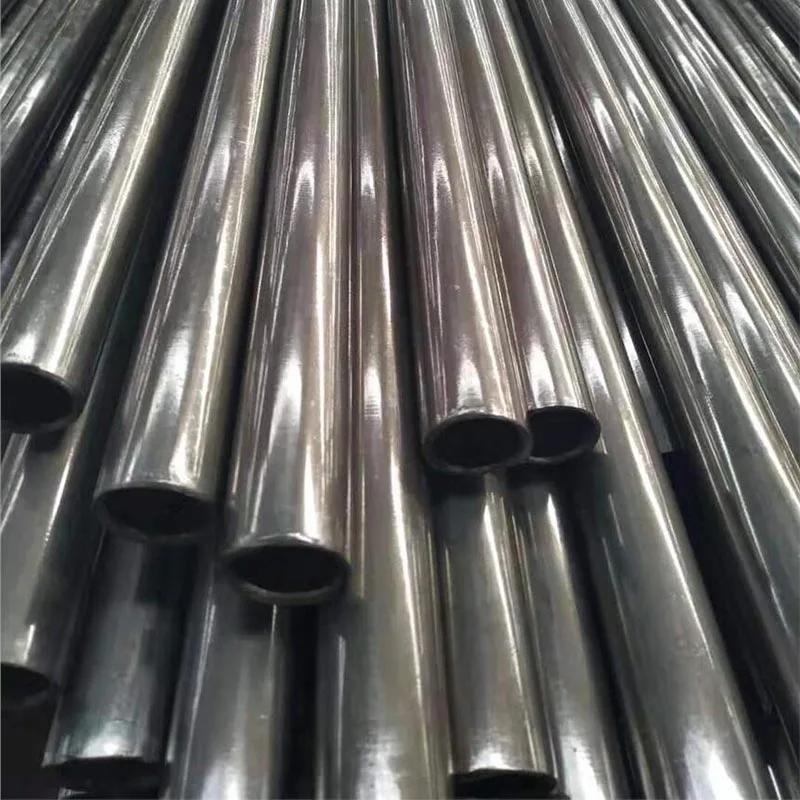
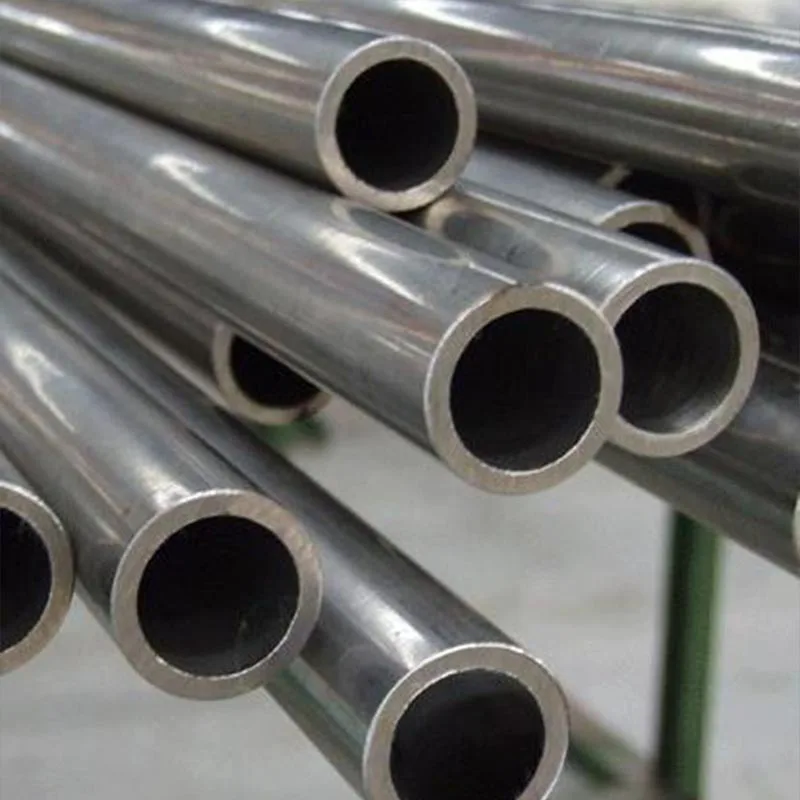
X5CrNi18-10 Extruded Seamless Pipe
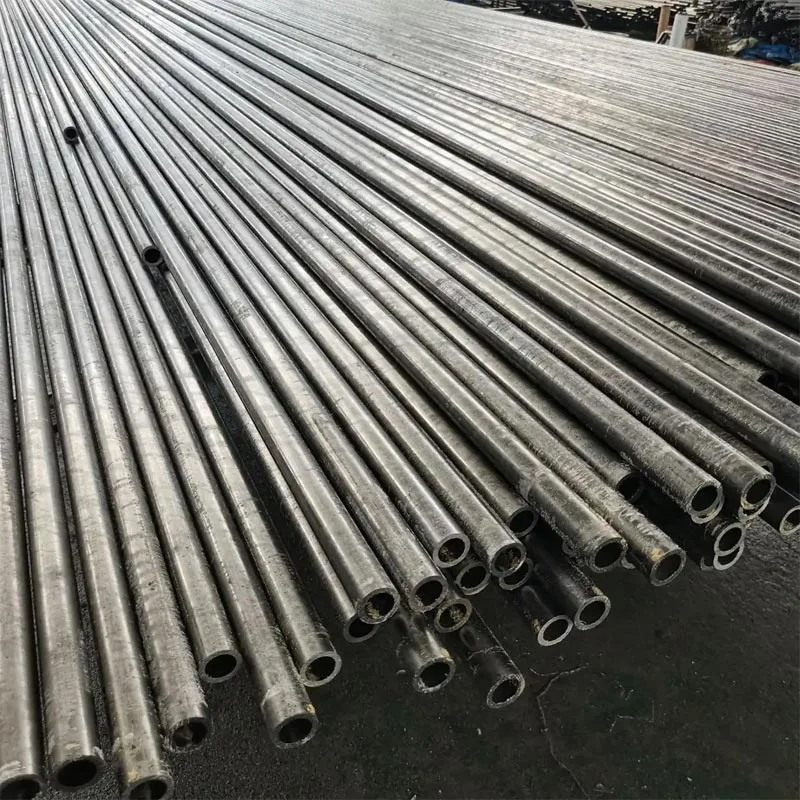
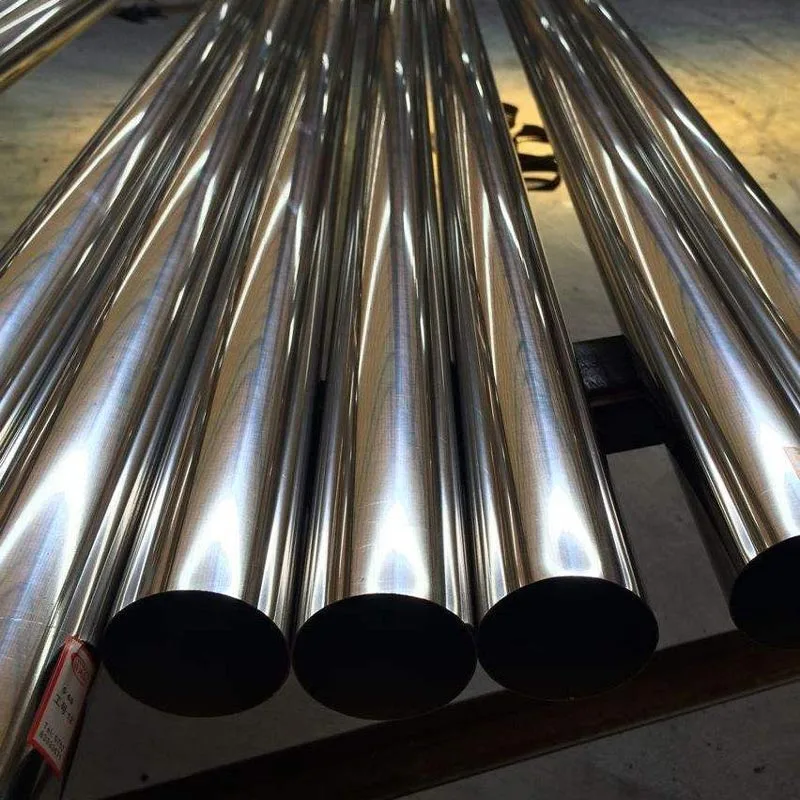
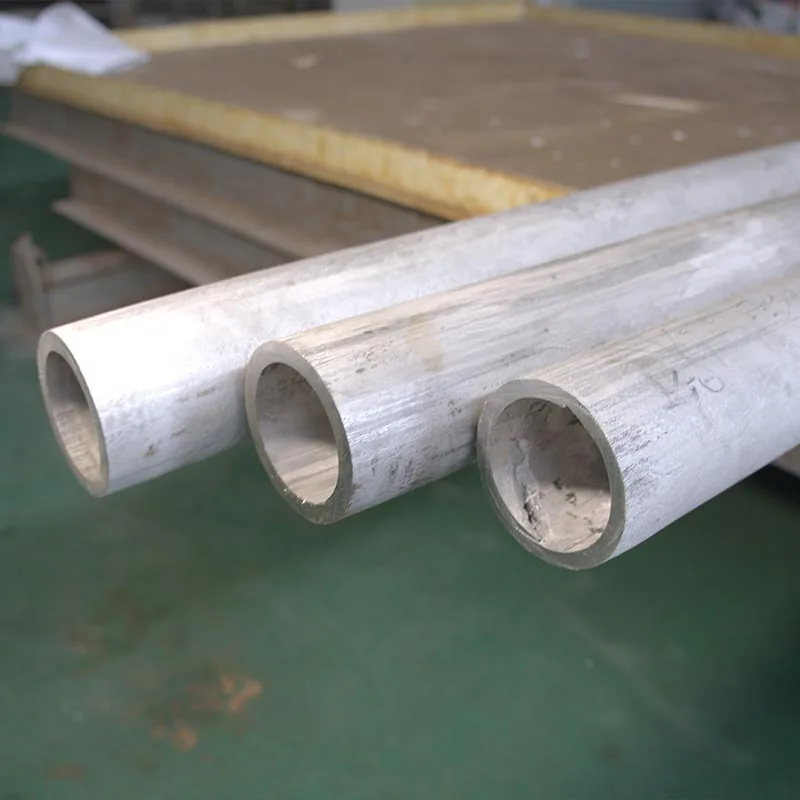
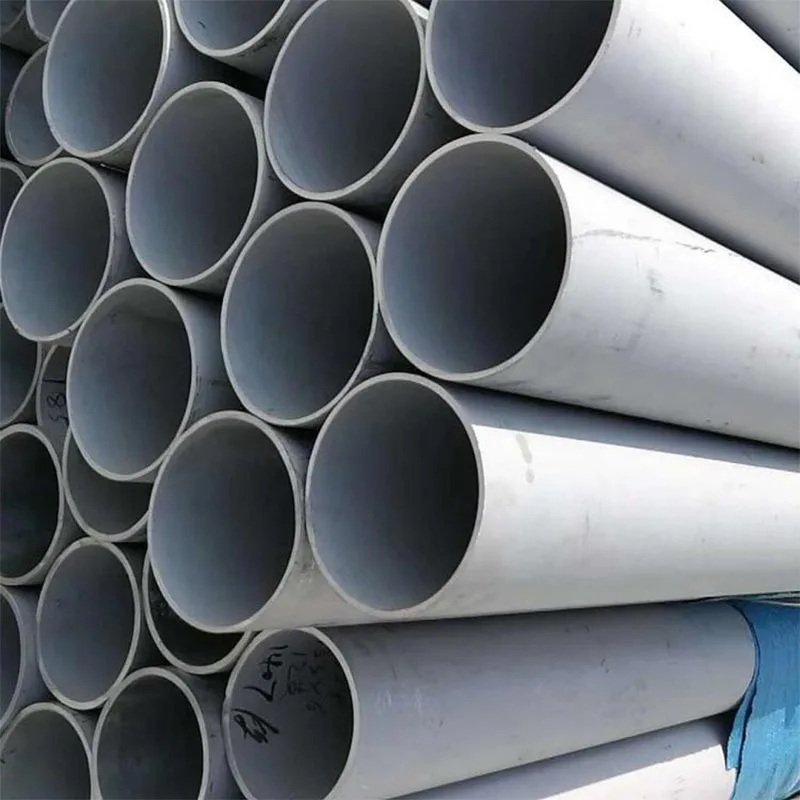
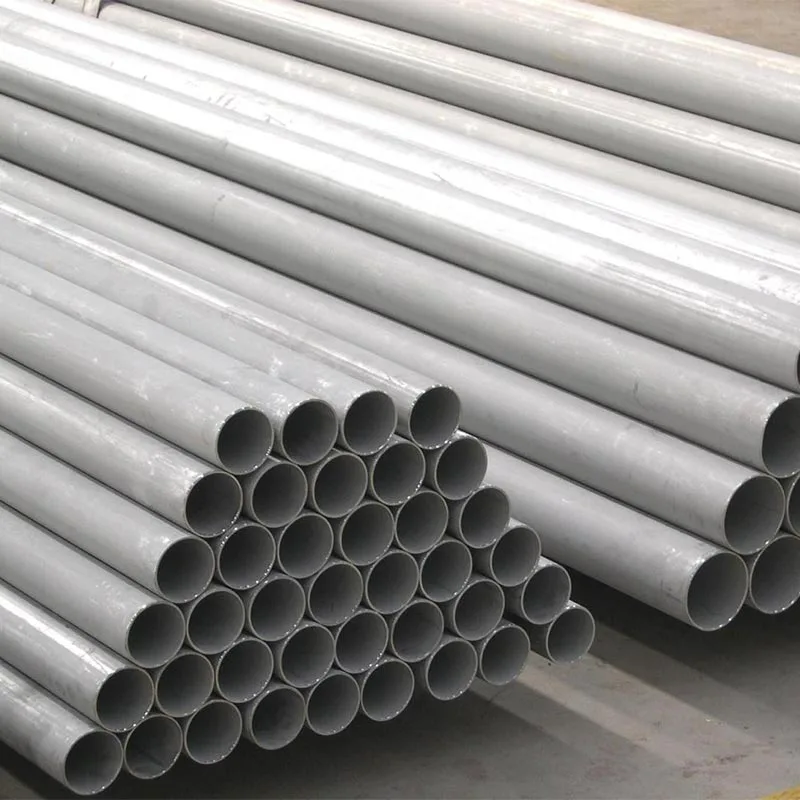
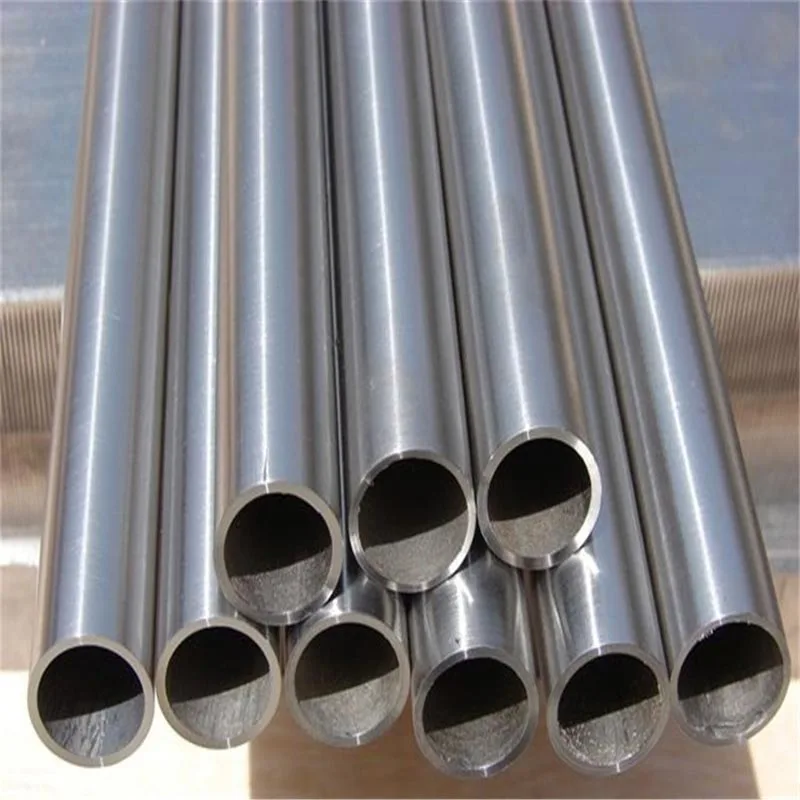
Buy quality X5CrNi18-10 Extruded Seamless Pipe from JILAIDA, a professional manufacturer in China. X5CrNi18-10 is the EN 10088 designation for what most of the world calls 304. Same chemistry — roughly 18% chromium, 10% nickel, ≤0.07% carbon. Same austenitic structure, same corrosion resistance, same weldability. The name changes across borders, but the metal does not. If you source pipe from a European mill, you'll see X5CrNi18-10 on the certificate. From an American supplier, it's 304 or UNS S30400. From Japan, SUS304. From China, 06Cr19Ni10 under GB/T. Understanding these equivalences matters when your project specification references one standard but your supplier certifies to another — and that's exactly the situation most international procurement teams face.
As a professional manufacturer in China, JILAIDA would like to provide you high quality X5CrNi18-10 Extruded Seamless Pipe.
Why Extruded Seamless
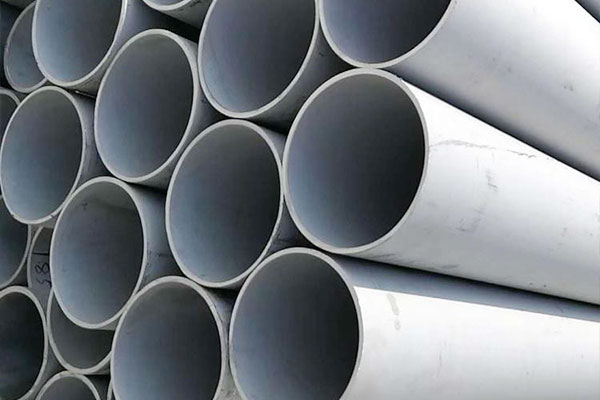
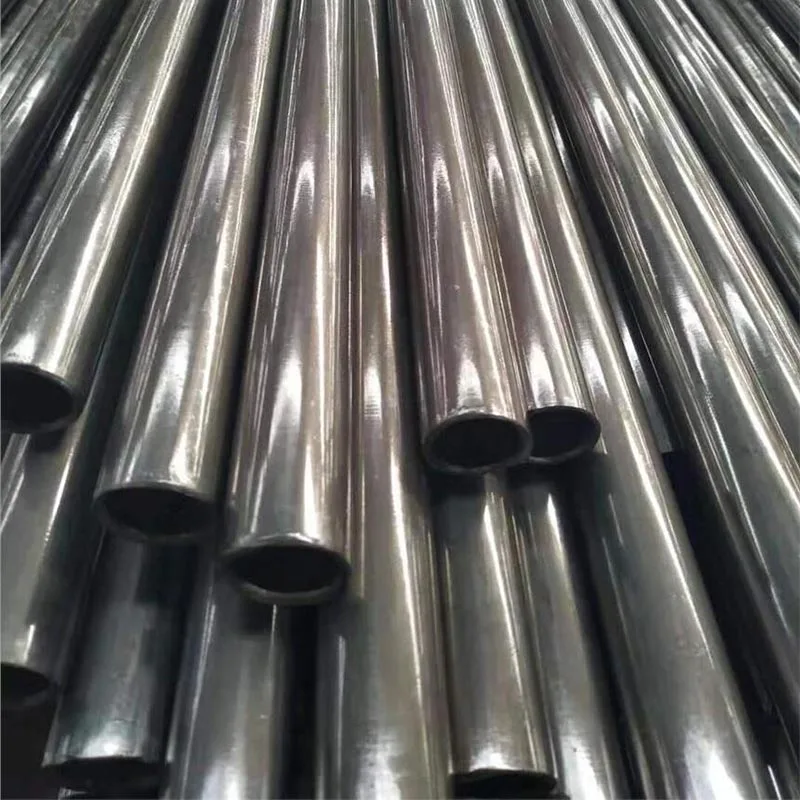
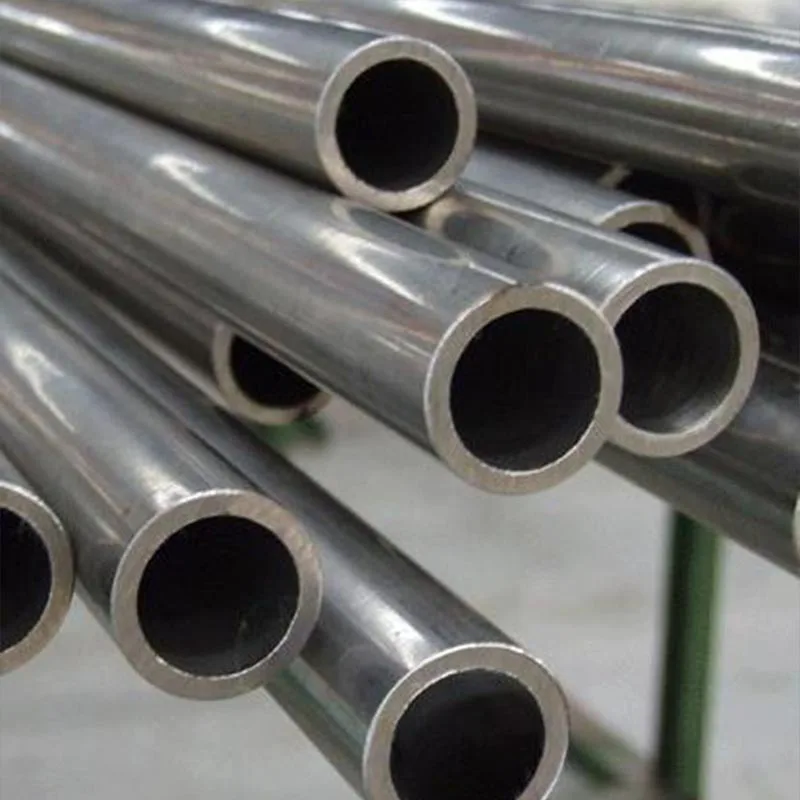
Hot extrusion pushes a heated billet through a die at high pressure, forming the pipe in a single stroke. No weld seam. No heat-affected zone. The grain flows continuously around the full cross-section, which means consistent mechanical properties in every direction — longitudinal and transverse. For the X5CrNi18-10 extruded seamless pipe, that translates into a pressure rating roughly 18% higher than an equivalent welded pipe (seamless joint efficiency factor = 1.0 vs 0.85 in ASME B31.3). Wall thickness is controlled within ±0.3 mm, inner and outer surfaces are clean and free of oxide scale after pickling, and the yield rate exceeds 95% in our production line.
Grade Designation Across Standards
| Standard | Designation | Material Number | Region |
| EN 10088 | X5CrNi18-10 | 1.4301 | Europe |
| ASTM/AISI | 304 | S30400 | USA |
| JIS G 4305 | SUS304 | — | Japan |
| GB/T 20878 | 06Cr19Ni10 | — | China |
| GOST 5632 | 08Х18Н10 | — | Russia / CIS |
| BS 970 | 304S31 | — | UK |
| AFNOR | Z7CN18-09 | — | France |
Standard Dimensions
| Parameter | Range | Tolerance |
| Outside Diameter | 6 – 89 mm | ±0.5 mm |
| Wall Thickness | 3 – 9 mm | ±0.3 mm |
| Length | 3000 – 10000 mm | Per order |
| Surface | Pickled / Polished | — |
Applications Across Industries
The X5CrNi18-10 extruded seamless pipe shows up wherever 304 is specified and a welded seam is unacceptable — or where the design code mandates seamless. Chemical and petrochemical process piping carrying non-chloride fluids. Food and beverage piping that must be clean, smooth, and CIP-compatible. Pharmaceutical water systems (WFI, PW) that require seamless construction per ASME BPE. Heat exchanger tubes where uniform wall thickness ensures consistent thermal performance. Architectural handrails and structural tubes in corrosive marine environments where a seam failure is a liability.
It also serves as the parent stock for cold drawing to smaller diameters and thinner walls. Many of the precision tubes used in instrumentation and hydraulic systems start as an extruded X5CrNi18-10 hollow, then get drawn down to final size — the extrusion provides the uniform starting geometry that makes the drawing process reliable.
Procurement Essentials
JILAIDA produces the X5CrNi18-10 extruded seamless pipe in full compliance with EN 10204 3.1 certification — heat analysis, mechanical testing, and hydrostatic or non-destructive examination as required. We ship factory-direct from China under FOB, CIF, and DDP terms to ports worldwide. ISO 9001 plus four additional certifications cover our quality system. Whether your RFQ specifies 304, SUS304, 06Cr19Ni10, or X5CrNi18-10, we match the designation to the standard your project requires and document it accordingly on the MTC. Jiangsu Ji Lai Da Nickel-Based Alloy Co., Ltd. maintains the flexibility to certify against multiple regional standards on the same heat, eliminating cross-reference confusion at your inspection point.
FAQ
Q1: Are X5CrNi18-10 and 304 truly interchangeable?
A: Chemically, yes — the composition ranges overlap almost completely. The practical difference is the standard that governs the tolerance, testing, and certification. EN 10088 and ASTM A312 have slightly different requirements for dimensional tolerance and mandatory tests. If your project spec references ASTM, we certify to ASTM. If it references EN, we certify to EN. Same pipe, different paperwork.
Q2: What's the difference between X5CrNi18-10 and X2CrNi18-9?
A: Carbon content. X5 (0.07% max) is the standard grade; X2 (0.03% max) is the low-carbon variant, equivalent to 304L. If the pipe will be welded into an assembly without post-weld annealing, X2CrNi18-9 / 304L avoids sensitization at the weld. For seamless pipe in non-welded service, X5 is standard.
Q3: Can you dual-certify to both EN and ASTM?
A: In many cases, yes — when the composition and mechanical ranges overlap, we can issue a single MTC that satisfies both EN 10088 and ASTM A312. This is common for international projects and saves your QA team from cross-referencing. Confirm at RFQ stage and we'll include it in the scope.
Q4: What NDT is available?
A: Eddy current testing (ET) is standard for smaller diameters. Ultrasonic testing (UT) for larger sizes. Hydrostatic testing to specified pressure. We can combine methods if your specification requires it — just state the acceptance standard (e.g., ASTM A450, EN 10216).
Q5: How do you handle MTC when the buyer specifies a Chinese grade?
A: We certify to GB/T 20878 / GB/T 14976 with the Chinese designation (06Cr19Ni10) on the certificate. If your end customer needs an EN or ASTM cross-reference, we add it as a supplementary line. The material is the same — we just make the documentation travel across the standard boundary cleanly.
Q6: What's the typical lead time for X5CrNi18-10 seamless pipe?
A: Common sizes (OD 25–60 mm, WT 3–6 mm) in 2–4 weeks from order. Non-standard dimensions or special surface requirements add 1–2 weeks for extrusion scheduling. We quote a firm delivery date with every RFQ response.
Hot Tags: X5CrNi18-10 extruded seamless pipe, X5CrNi18-10 seamless tube, stainless steel extruded pipe
Send Inquiry
Contact Info
-
Address
No. 521 Zhonghui Road, Huishan District, Wuxi City, Jiangsu Province, China
-
Tel
-
E-mail
Request a quotation from JILAIDA, a professional stainless steel and nickel based alloy seamless pipes and nickel based alloy forged round bar manufacturer in China. Get factory price, customized solutions and reliable supply.